
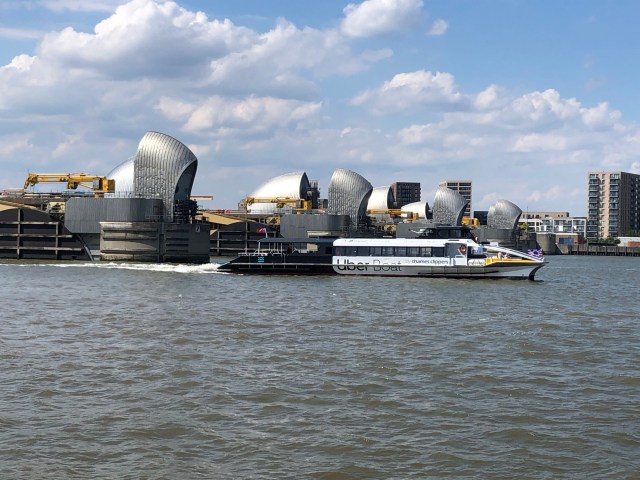
The Thames Barrier
Last time we finished at Greenwich, with the splendid vistas of London from high up in Greenwich Park by the Royal Observatory. In this episode we complete the Thames Journey walk with a 9-10 mile stroll downstream to Erith in Kent. This journey, in reverse, was the first of the Thames walks with Kath, Maggie and Jon which formed part of our three year project. That was in August 2015 – eight years ago!
The walk is completed in this instalment, but there will be a bonus episode taking in three locations on the Thames estuary, as it merges into the North Sea. More on that at the end.
We start with the O2 Arena, the Dome, on the North Greenwich peninsula, which is formed by one of the river’s more spectacular bends. Then we move down river to the nearby cable car before crossing over to the north side of the river for a further exploration of the old docklands and a diversion up the River Lea. We then return to the south side for the rest of the journey, with glimpses over to the industrial north bank.
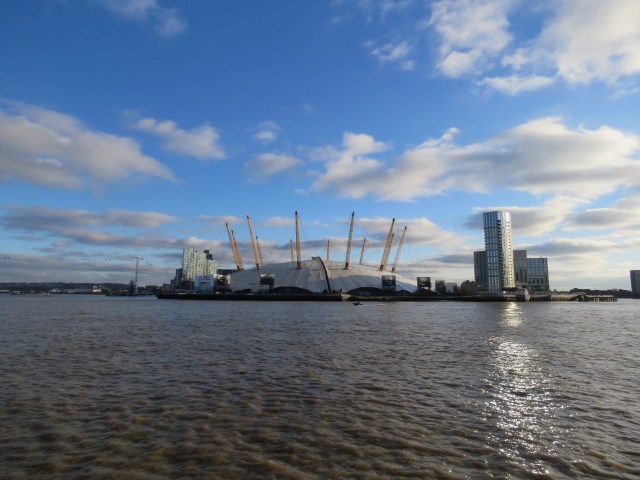
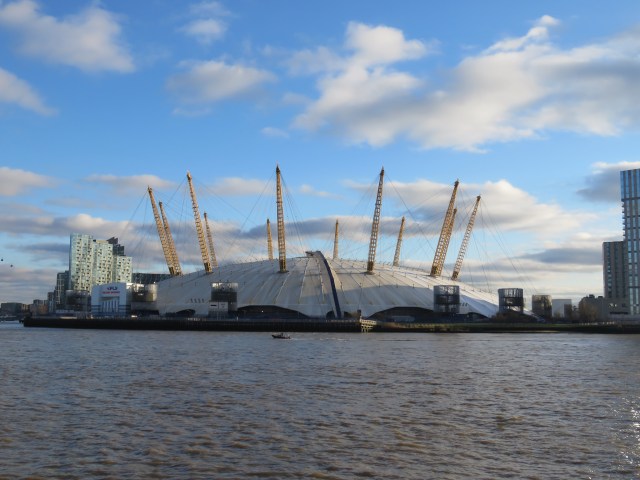
So, to the Dome! It was a rather controversial project back in the 1990s. Conceived by Michael Heseltine, who we encountered in the previous instalment, it fell to Tony Blair’s Labour government to decide whether to go ahead. They decided to do so, with Peter Mandelson to the fore. It opened on schedule on New Year’s Eve 1999, but it was all a bit of a damp squib. It lacked any real purpose until it was taken over by O2, who turned it into a music venue, with supporting infrastructure – restaurants, bars, a cinema, a secondary venue and so on. It opened in 2007 with a concert by Bon Jovi and has been a huge success, becoming London’s premier indoor music venue. It’s cavernous and rather impersonal, but I certainly prefer it to the other large venues, like Wembley Arena and Alexandra Palace.
The building, designed by Richard Rogers, is striking, and has become a London landmark. The best views of it are from the north side of the river (first two shots) and from above in the cable car (third one).

Talking of the cable car, it’s just downstream of the Dome, connecting North Greenwich with the Royal Docks on the north side. Arguably it was a bit of an expensive folly, but the views as you travel over the river are spectacular. The photos from the cable car are from a trip I took with my friends Jon, Dave and Tony in June 2021.
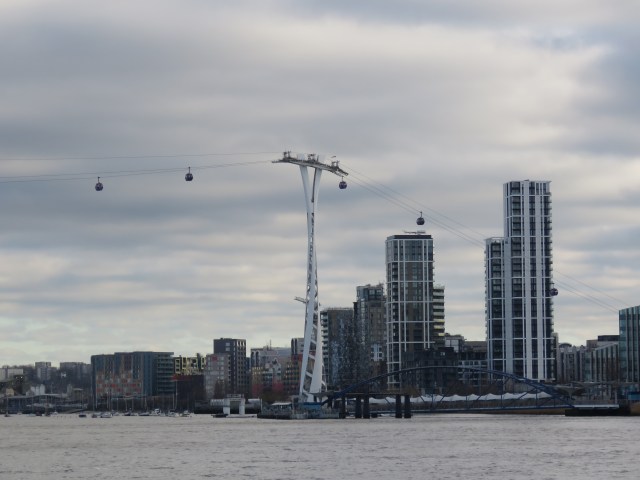
View from Trinity Buoy Wharf

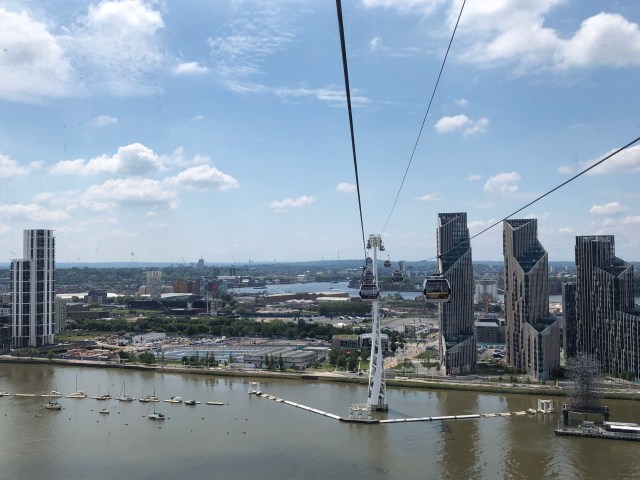

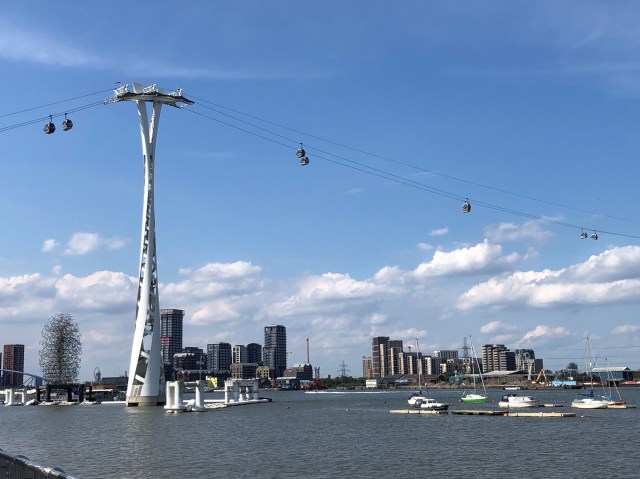
South side view
Before we proceed any further along the south side, which will take us to Erith, let’s explore the north bank for a while. We start with the area around what was East India docks. These opened in 1806, following the success of the West India docks, which opened in 1802. As the name suggests, their trade was with the east – not just India, but the likes of Persia (now Iran). Commodities like tea, spices, indigo, silk and Persian carpets were their staples. As we have seen in earlier episodes, they declined in the 60s and 70s with the arrival of containerisation. From being a vibrant community, the area became a wasteland. The surrounding areas have recovered, but the docks themselves have been re-wilded and are now a haven for birdlife.
The photos in this section were taken on a walk that started at Three Mills Island on the River Lea and led down to where the Lea meets the Thames. East India docks are nearby. Since then I’ve done the walk a few times with friends and family but in the opposite direction. It’s a fascinating stroll. Take the Docklands Light Railway (DLR) from Bank to East India – with great views of the City and Canary Wharf – walk down to the Thames, along to the docks and then to Trinity Buoy Wharf, where the Lea and Thames meet. Then there’s an interesting walk up the River Lea to Hackney Wick. The whole thing is about six miles and when you arrive at Hackney Wick there are some very good craft beer bars near the river, including the Crate Brewery and the Howling Hops. The photos below include a diversion up the Lea to Three Mills. It has become one of my favourite London walks.
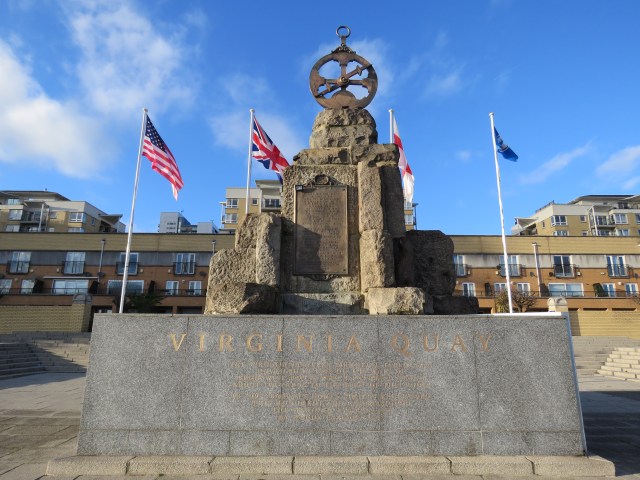
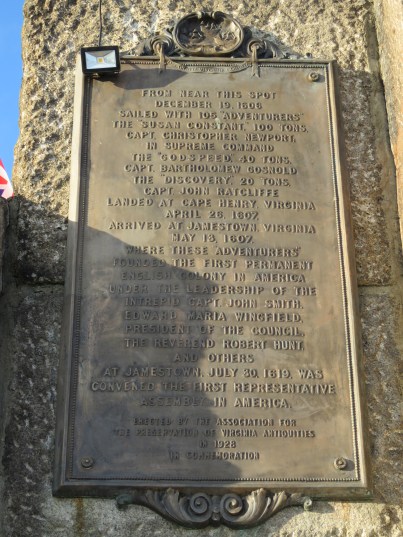
I’ve included the photos of the Dome already, which is the first thing that hits you; but a little further along you come to Virginia Quay, where a monument celebrates the journey of some of the first settlers in America – Virginia in 1606.

Ok, one more Dome shot!
We then come to the East India docks. Nearby is a derelict building that was once the Thames Ironworks. Originating in 1837, its main business was shipbuilding. But most important to me, in 1895 Thames Ironworks football club was formed. In time this became West Ham, my team. Hence the nickname, the Irons.
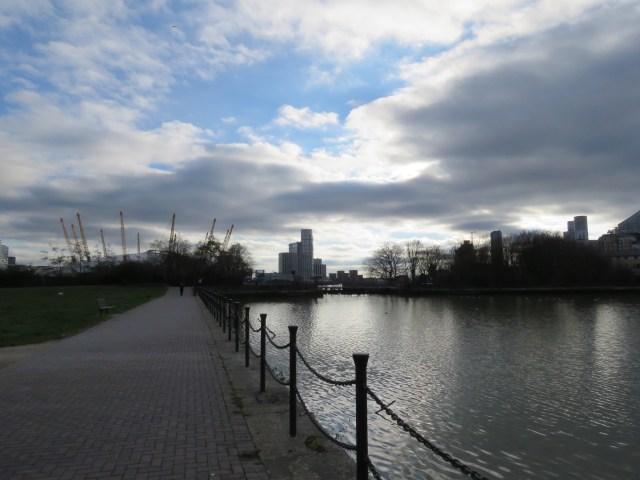
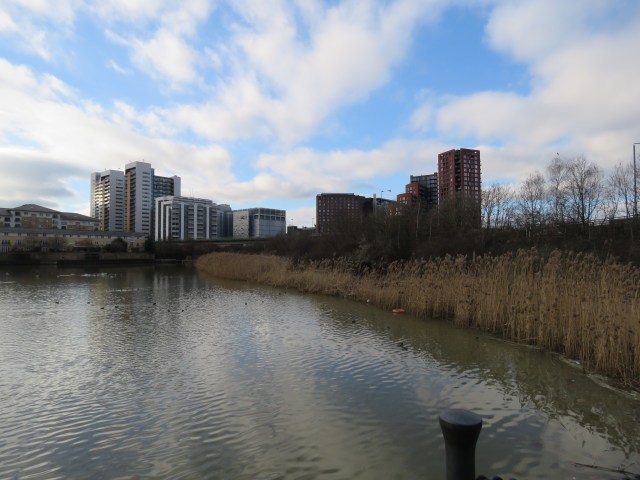


Trinity Buoy Wharf is an intriguing place. In the days of the docks there were lots of warehouses, as well as a lighthouse, which remains. Today it’s a centre for the arts as well as the site of a primary school and residential blocks. And it’s where the River Lea flows into the Thames. By the confluence is a square called Orchard Place. There are buildings made from shipping containers and a café with a black London taxi on the roof!
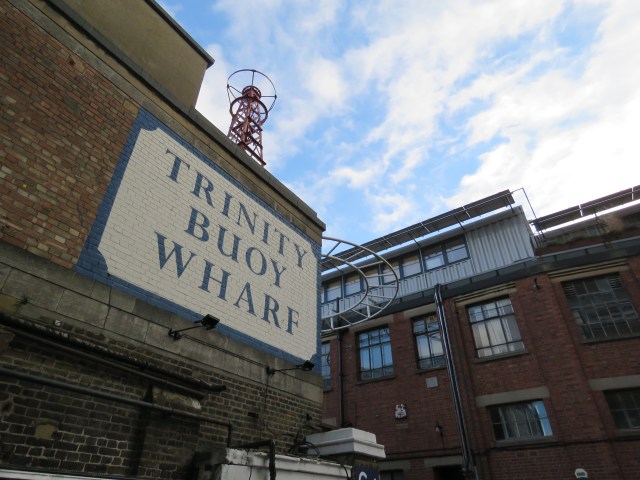
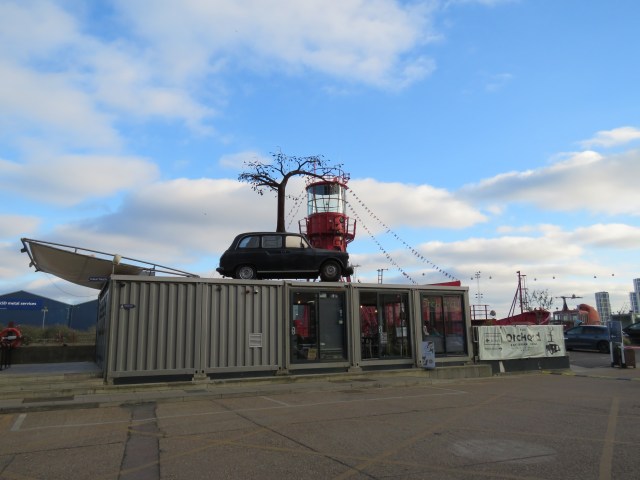

The mouth of the River Lea
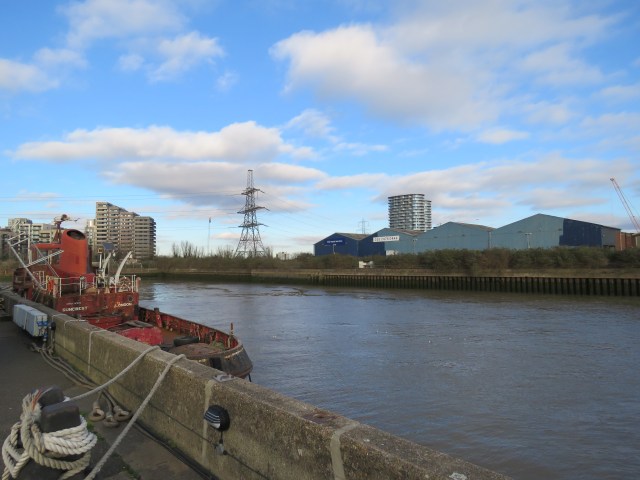
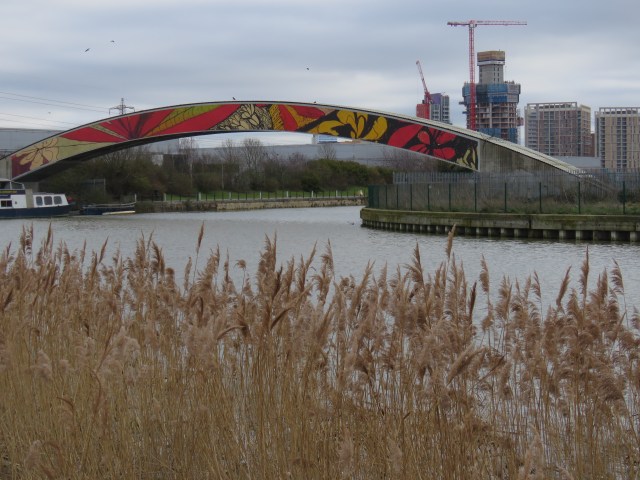
From Trinity Buoy Wharf you wander along the Lea – also known as Bow Creek in these lower reaches – to London City Island, a new residential development, which is also the headquarters of the English National Ballet. It’s then worth crossing over the River Lea to Canning Town station and taking the DLR one stop in the direction of Stratford to Star Lane. Otherwise the walk is just through an industrial estate. From Star Lane you walk down to Cody Dock by the Lea. There’s an interesting revolving bridge there, as well as a little nature reserve and various studios and offices. It’s still being developed, but there’s a café and lots of tables by the river. A rather serene place to have your sandwich and a cup of tea.

The bridge connecting Canning Town station and London City Island
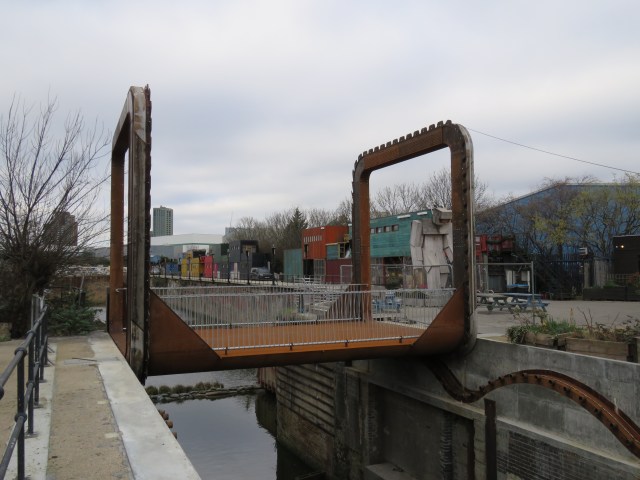
The bridge at Cody Dock.
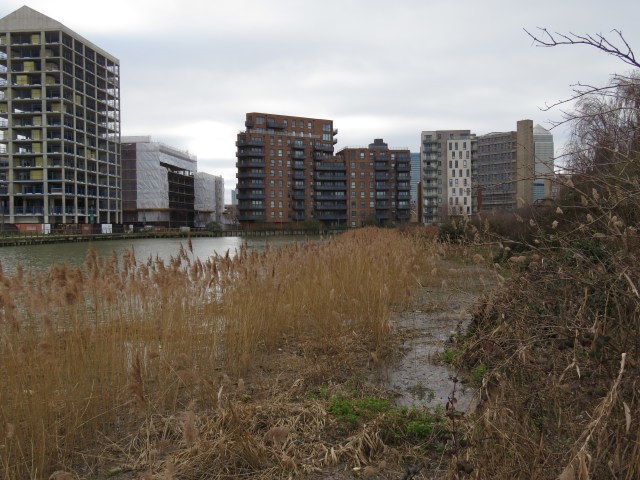
The Lea had, by the 60s and 70s, become a forgotten river, polluted and neglected. But it has been cleaned up, and work is still going on to make it more accessible. I find it a fascinating combination of the natural and the industrial. Earlier this year, on another walk with Jon, Dave and Tony, we saw a seal just upstream of Cody Dock. It must have wandered up from the Thames. Maybe it was lost, or maybe there were plenty of fish for it to feed on. A river revived.
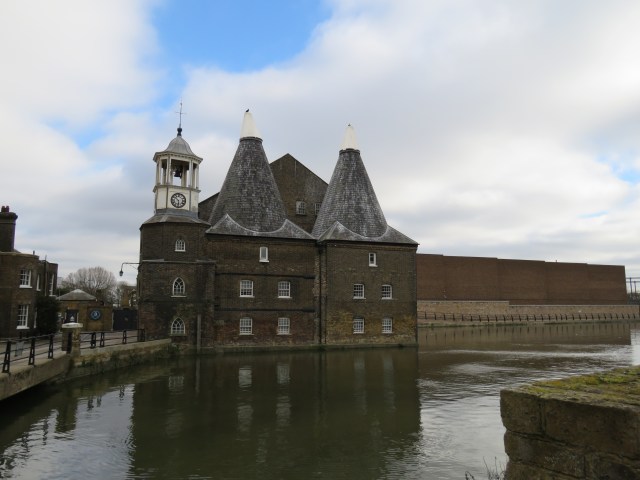
From Cody Dock the walk up to Three Mills is past Amazon warehouses and unfinished building works, with reeds massed by the edge of the river. You cross over a road bridge and then follow a path along a causeway with the river either side. It’s also where a canal known as Limehouse Cut heads off to Limehouse Basin. And then you arrive at Three Mills. Nearest tube station Bromley-by-Bow, on the District Line. It’s an extraordinary place to find in the middle of East London, When I first came across it reminded me of Bruges in Belgium. I remember similar architecture along the canal there. The original mills date from Norman times; today’s buildings were mainly constructed in the 18th century. Some of the complex is now TV and film studios. The BBC’s Master Chef is filmed there.
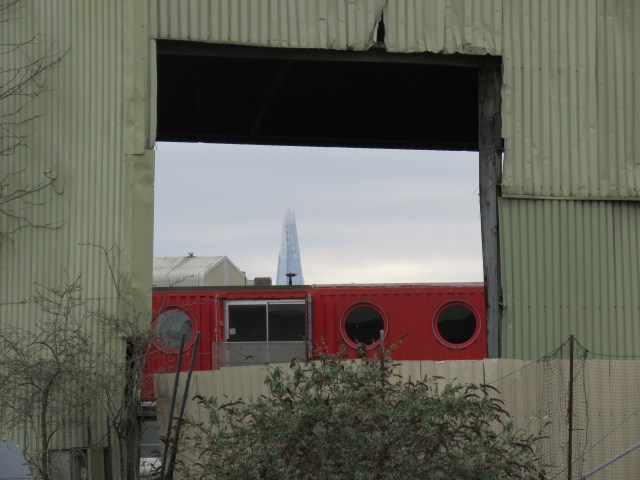
The ubiquitous Shard!
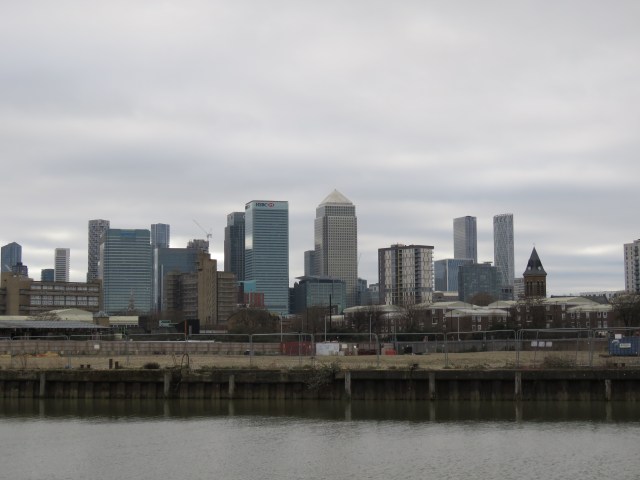

Modern art, East End style!
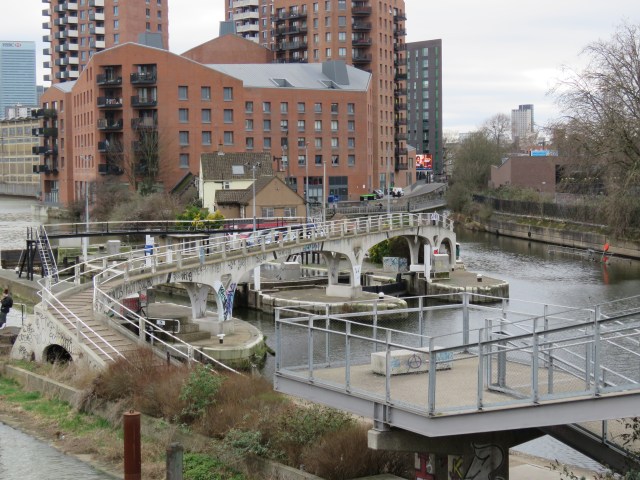
Take a right to Limehouse Cut

Three Mills Island
From Three Mills the walk up to Hackney Wick takes half an hour or so. The highlight is of course the view of the London Stadium, which hosted the 2012 Olympics and is now the home of West Ham United. As you approach the bridge over the Lea at White Post Lane there’s a stretch of the riverside which hosts numerous open air cafés and bars. On a sunny weekend the place is heaving. Crate Brewery opens out to the river on the other side of the bridge; Howling Hops is on the same old industrial courtyard. Crate Brewery was once the site of a paper mill. Not only are the beers excellent, but they do very good thin crust pizzas.
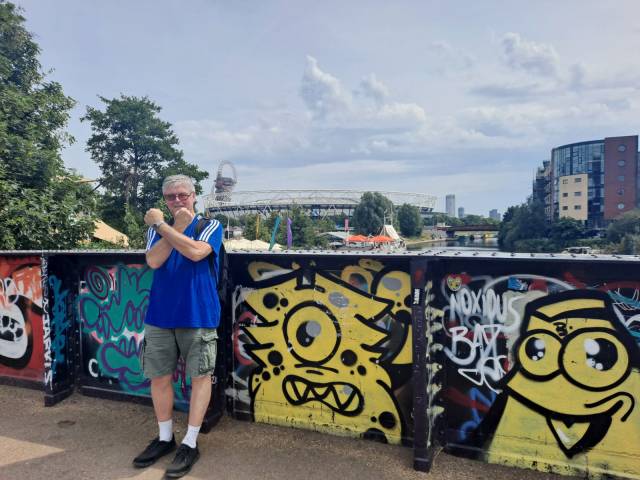
Come on you Irons!
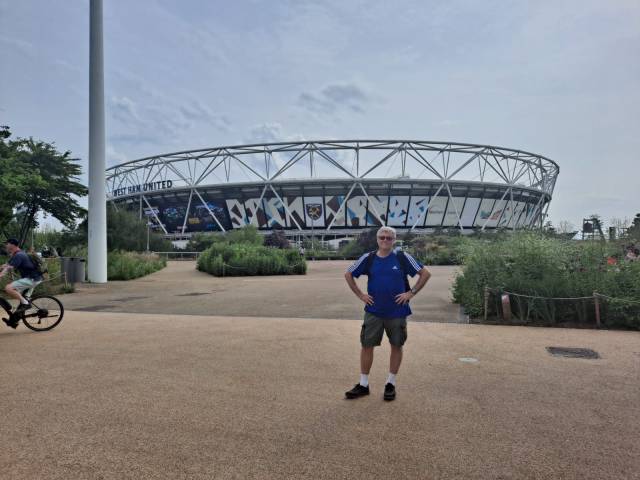
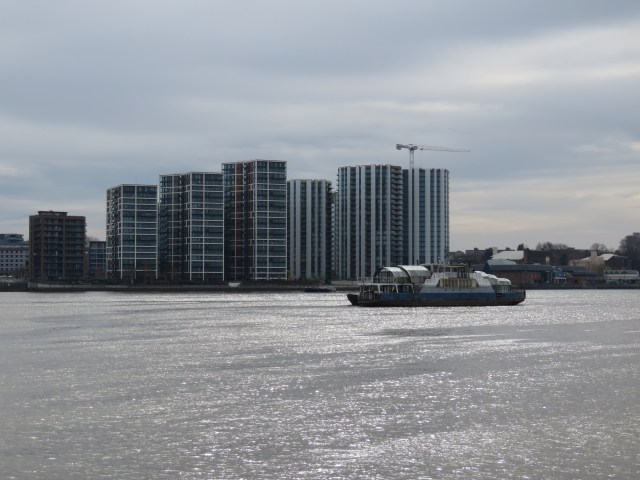
Resuming the journey along the Thames, we come to the Royal Docks. There are three: Victoria, Albert and George V. They were completed between 1855 and 1921, to take bigger ships than could be handled further upstream. But they too were usurped by containerisation. The area around the docks is now revived, and includes the ExCel Conference Centre and London City Airport.
I went down there, armed with camera for you dear readers, in April this year. I took the DLR to George V and ventured into North Woolwich. It was pretty bleak and I couldn’t walk into the George V dock from the Thames as the channel was cut off by barbed wire. So I walked upstream until I reached Thames Barrier Park. I’ll come back to the Thames Barrier when we are on the south side. From there I walked through a new apartment development called Royal Wharf to Victoria Dock. There’s a spectacular footbridge over the dock to the ExCel. It’s pretty high up and has quite low barriers on the sides, which meant I got the wobbles a bit and felt impelled to stay in the middle. So my photos weren’t taken from the best vantage points.


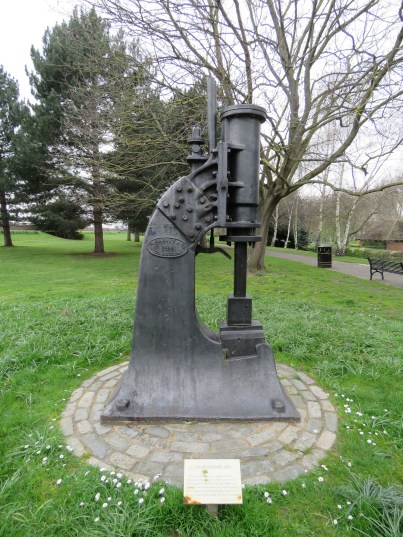
Steam hammer from Royal Albert Dock, 1888
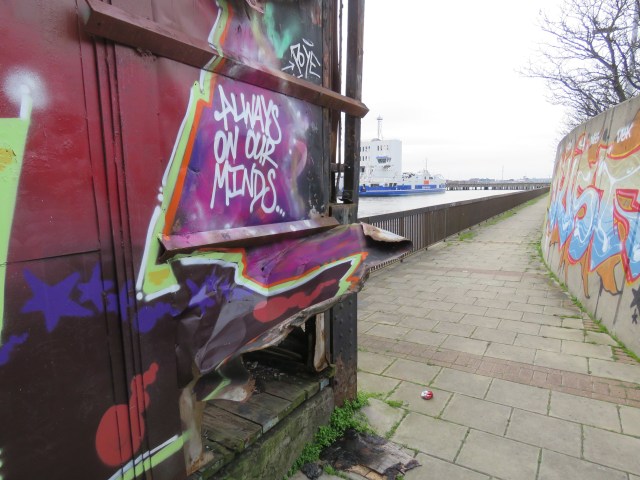
Approaching Woolwich ferry

We’ll meet again!
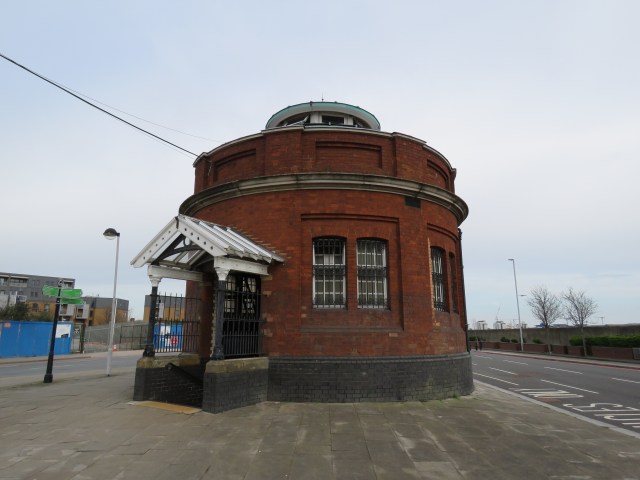
Entrance to Woolwich foot tunnel, north side
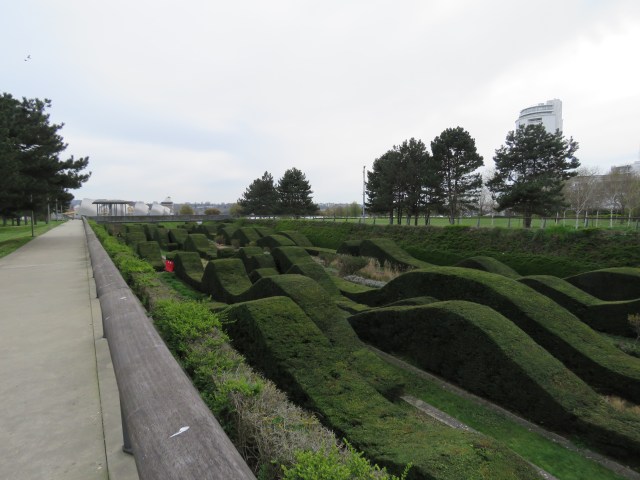
Thames Barrier Gardens
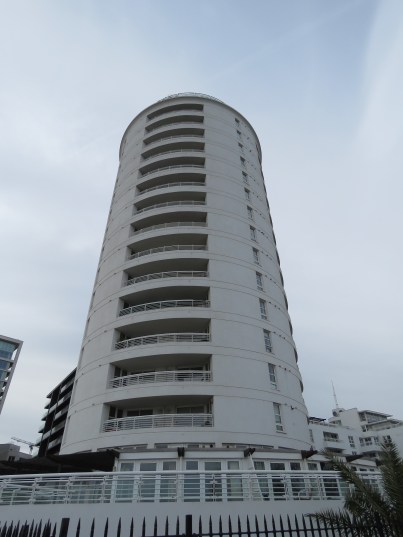
Art Deco style, Royal Wharf
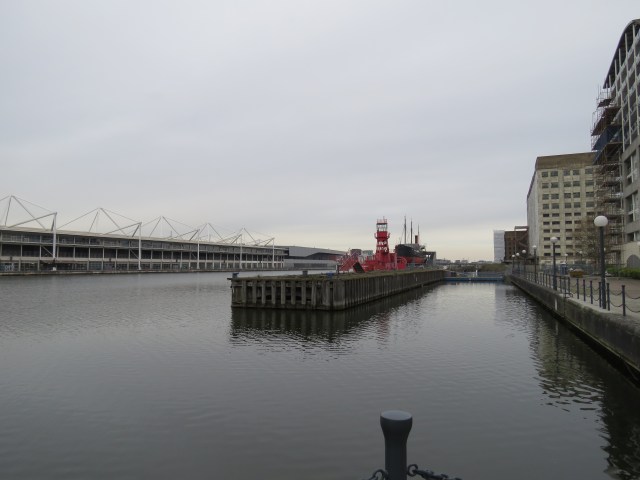
Royal Victoria Dock, looking east. ExCel Centre to the left
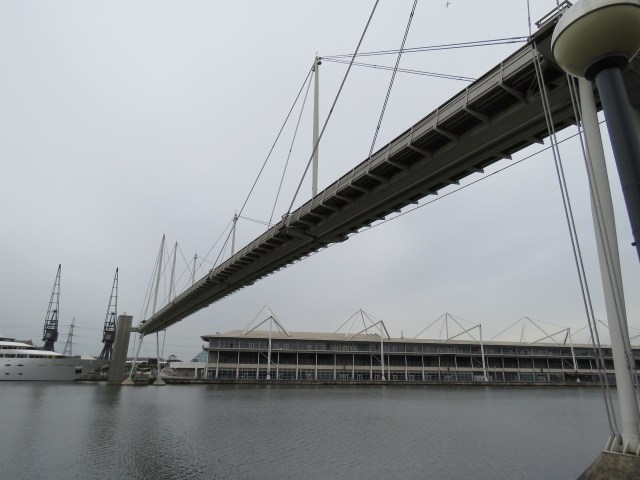
That scary footbridge!
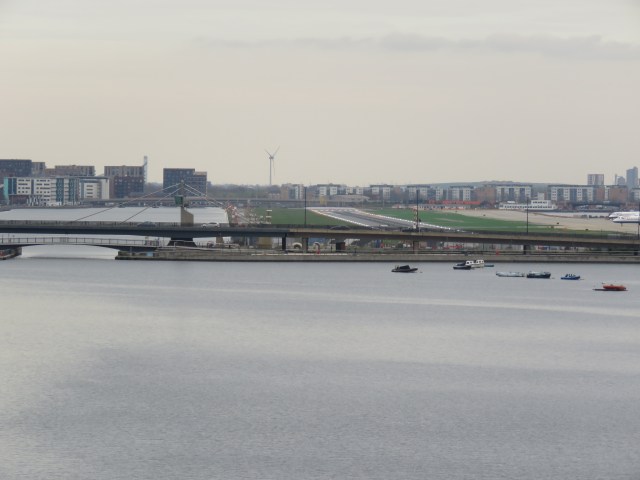
London City Airport runway
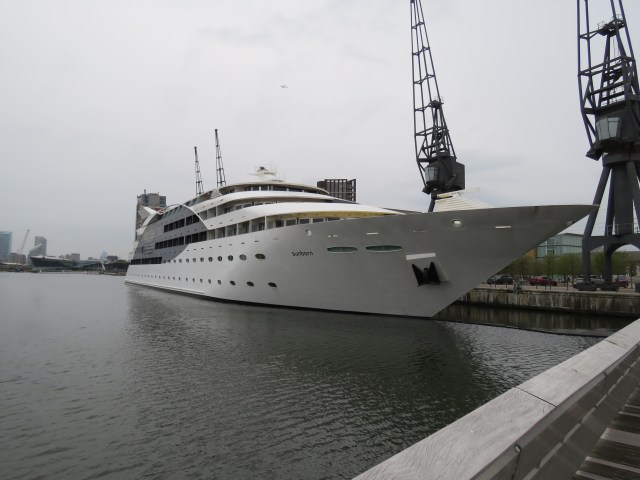
Who owns this?
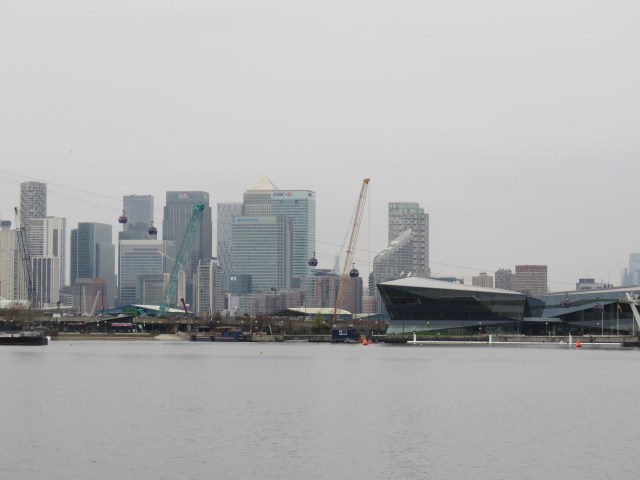
Looking west
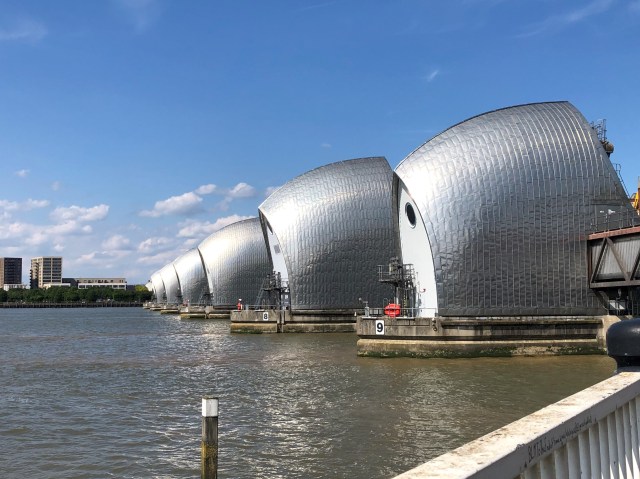
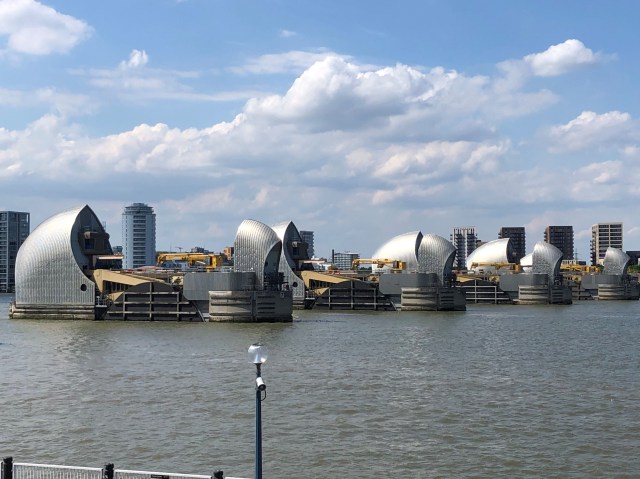
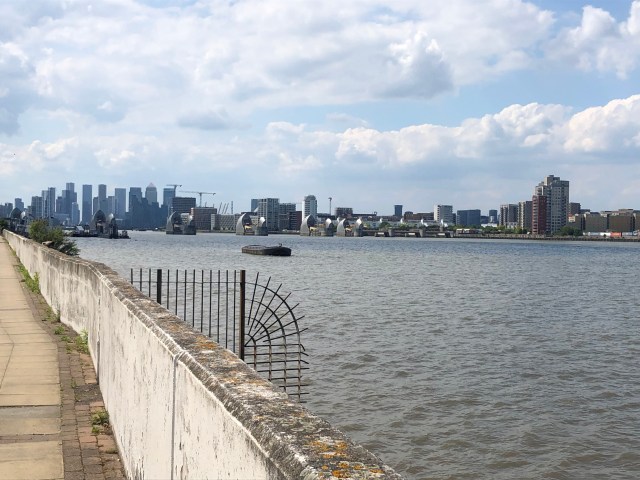
We now go back to the south side. And the first notable landmark – very notable – is the Thames Barrier. This is what prevents central London from flooding at high tide, which it used to do in the past. The barrier began operation in 1982. Worryingly, it starts to become less effective from 2030 and will need to be reinforced before 2070. That might not take into account the rapidly rising sea levels because of global warming. But for the time being it remains a marvel of engineering. When necessary, the barriers rise from under the surface at very high tides. Generally it’s less than 10 a year, though in 2013-14 it was 50.
Next up is Woolwich, known for its naval history and tall ships. Woolwich Arsenal was also the home of the football club that is now Arsenal in north London. My second team and the favourites of the rest of my family. And the team I support to win the Premier League, as that is beyond West Ham it seems.
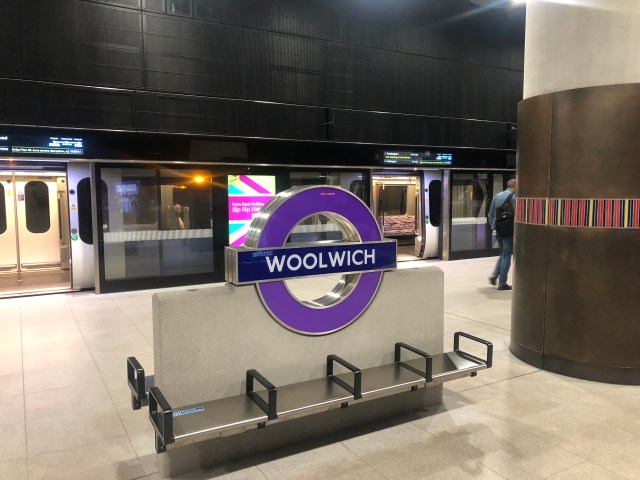
Now on the Lizzy Line!
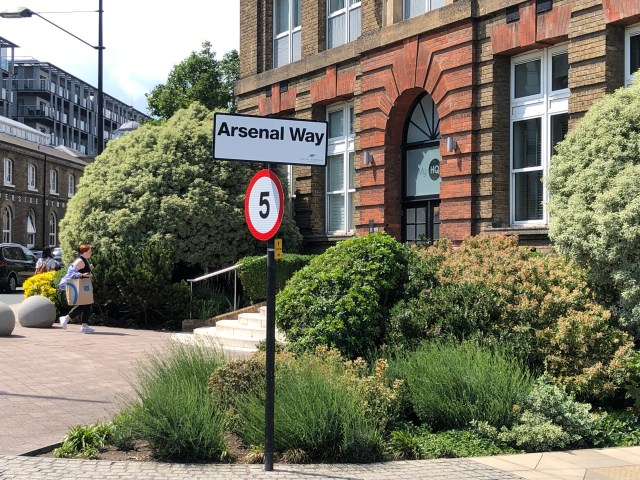

Captured from the French!
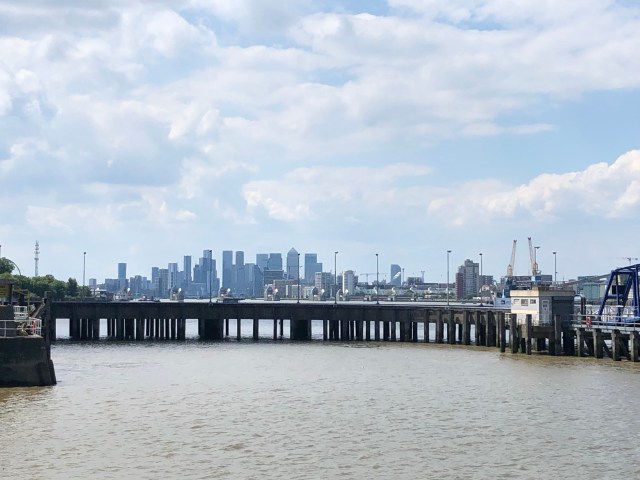
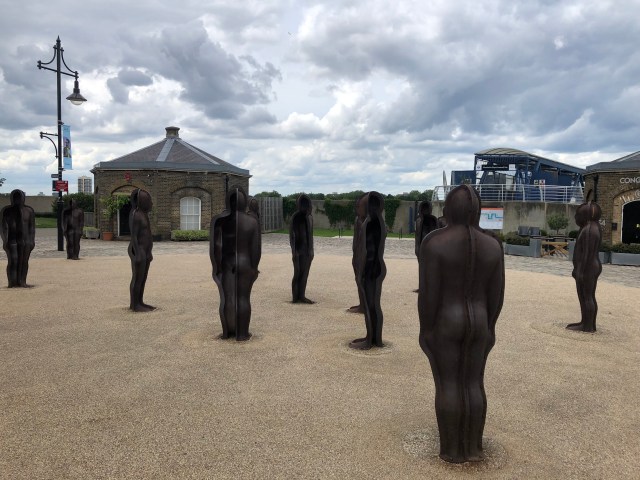
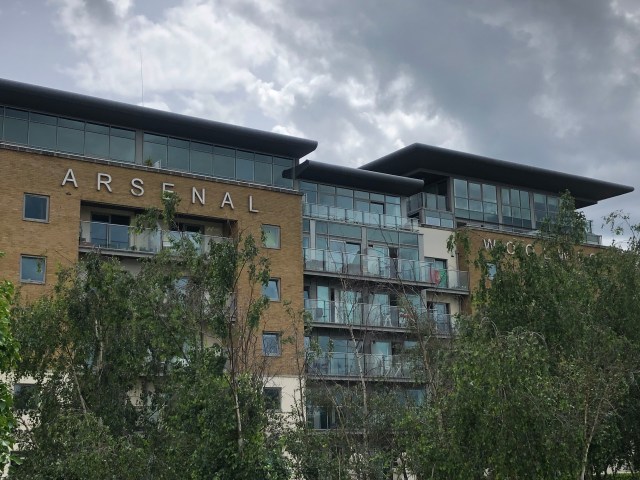
Woolwich Arsenal, June 2022

From north side, April 2023
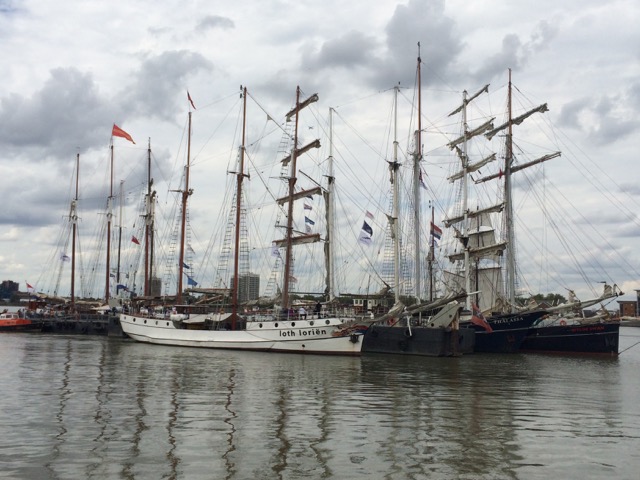
Tall ships on that first walk, August 2015
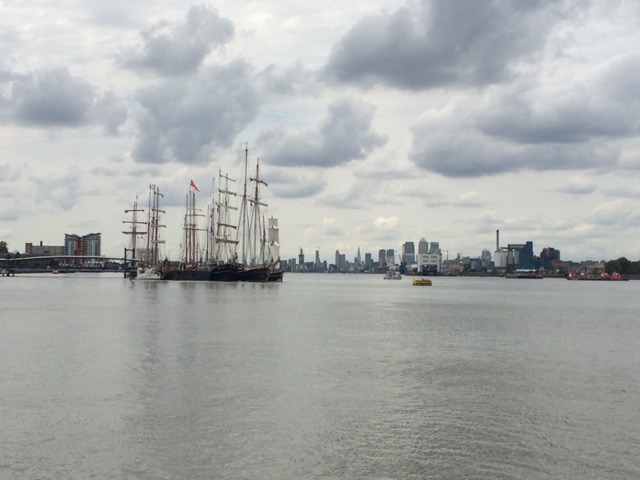
From Woolwich up to Erith the walk is fairly bleak, past housing estates and industrial complexes, on both sides of the river. But that bleakness has a certain beauty as the river widens. One of the features of the south side is the Crossness pumping station. Sewage. Serving south London, as Beckton, near the Royal Docks, does for the north. There’s a bit of a pong as you walk by – there’s also a waste incinerator – but it’s essential. This part of the Thames you could call the arse end of London, where all the things that no-one wants to know about happen. Things we can’t do without. Sewage is a massive problem for London. Bazalgette’s Victorian era sewers, which I mentioned in episode 9, transformed life in the city, but they were built for four million people. There are now 9-10 million and rising. There’s now a super sewer being built, which runs from Acton in west London to Beckton. It’s due to open in 2025; the tunnelling has already been completed. It will take the pressure off the existing network and ensure that when it’s raining, sewage doesn’t spill into the Thames. Of course, at the moment, it means it does. It’s notable that seagulls and other birds congregate on the river by the pumping station. Presumably the discharges attract the fish.
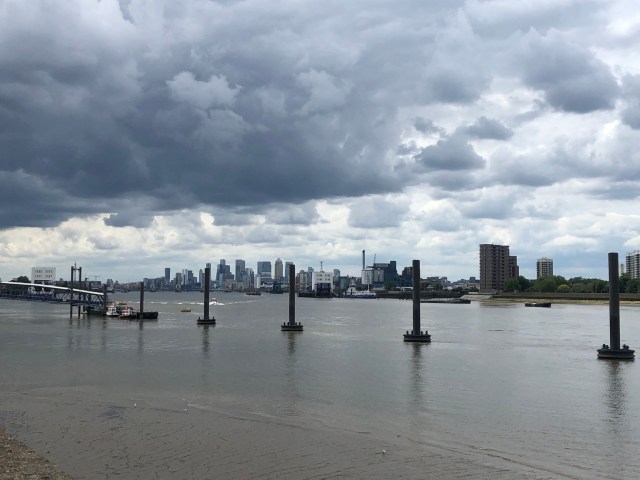
Just out of Woolwich

West Thamesmead from the north side. Nice!

The gathering of seagulls by Crossness, 2015

Dagenham car works on the other side

Pumping station, July 2021

Nearby there’s a nature reserve
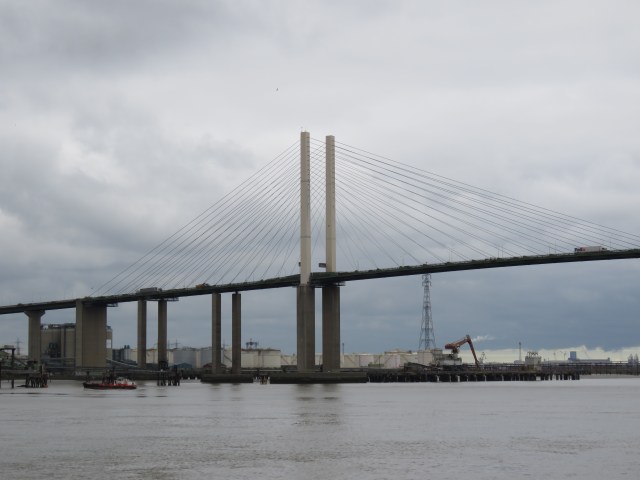
Soon after we approach Erith. The town is rather nondescript, but the river, now very wide, is a thing of majesty. When the tide is out it is all mudflats. And in the distance is Dartford Bridge. We will come back to that in the final blog of this series.
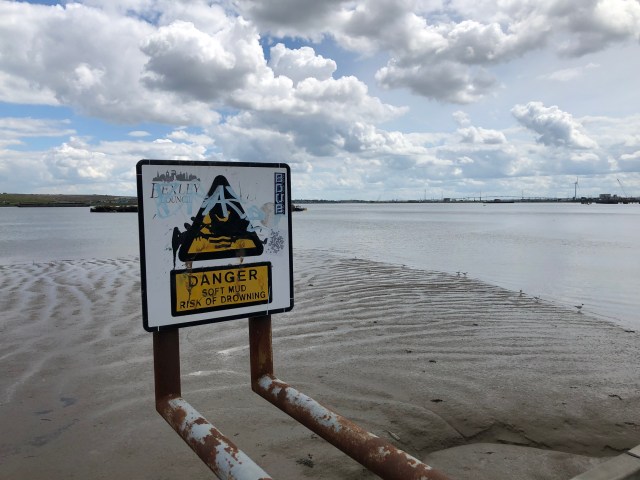
Welcome to Erith!
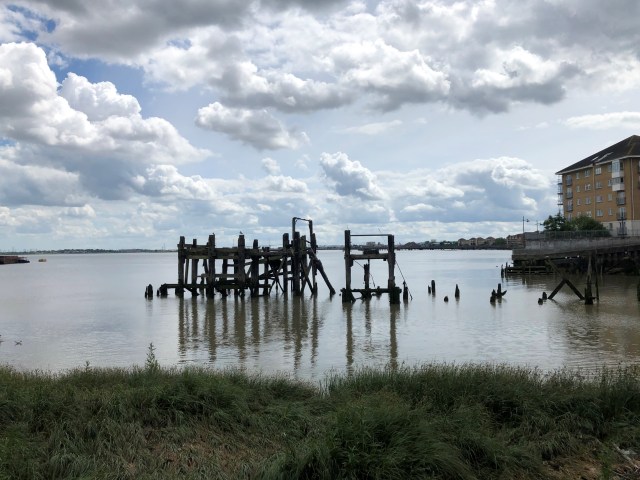

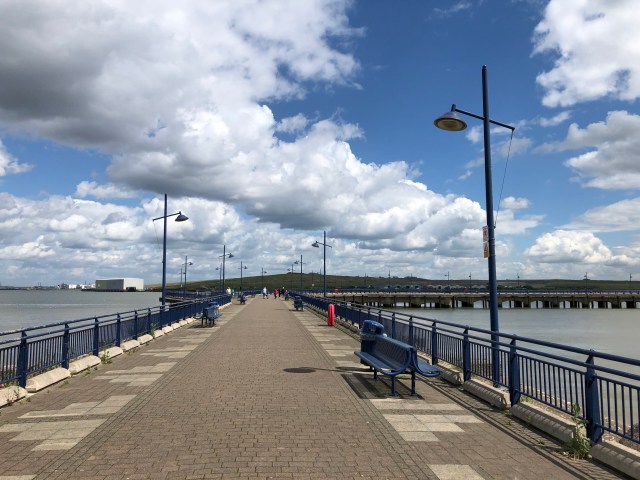
The pier
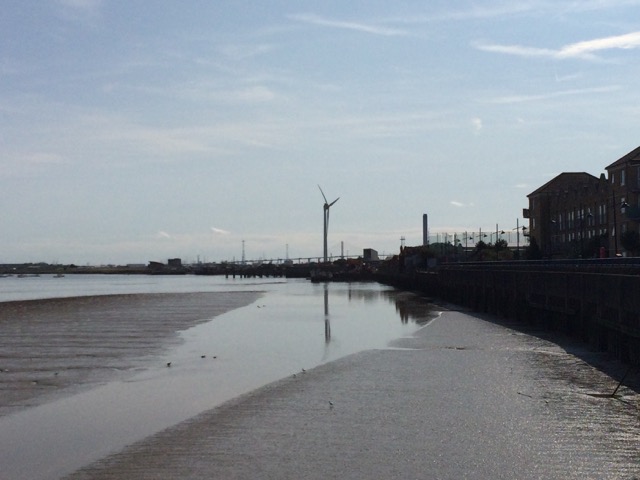
A glimpse of Dartford bridge in the distance
So, that’s the end of the Thames Journey, just as it was the beginning for Kath, Maggie, Jon and me in 2015. But there is one more episode, in which we venture further along the Thames estuary to Dartford and Gravesend, Canvey Island and Southend.
A taster for the next one. First stop, Dartford Bridge!

 Thoughtsfromwestfive
Nice! More valuable pointers for my ambling in London 🙂 Thanks much, John!
We’ll do some river!
Sounds good 🙂
Thanks Jon. We’ve shared a lot of those memories.