
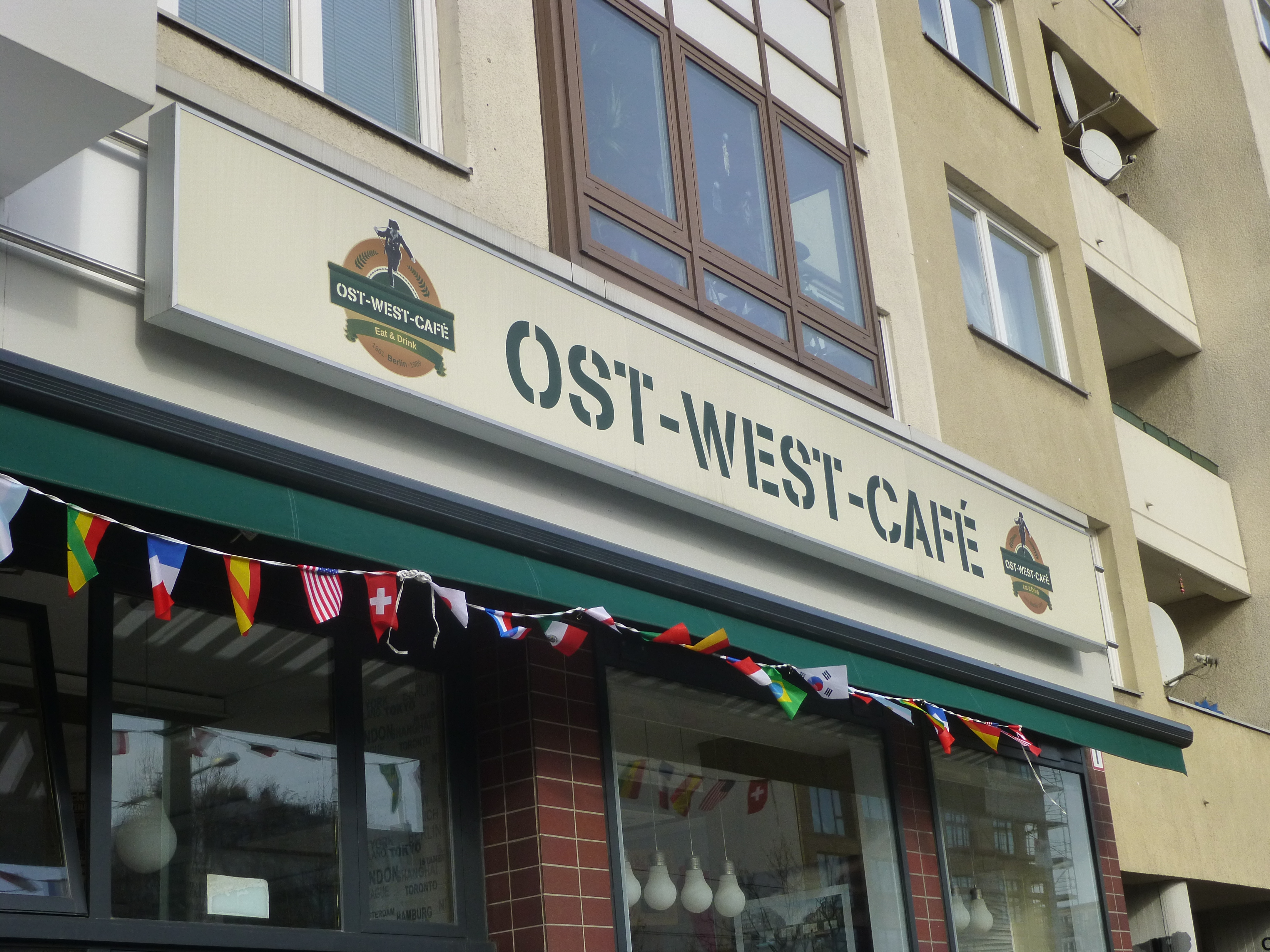
The Ost-West cafe on Bernauer Strasse. Love that car!
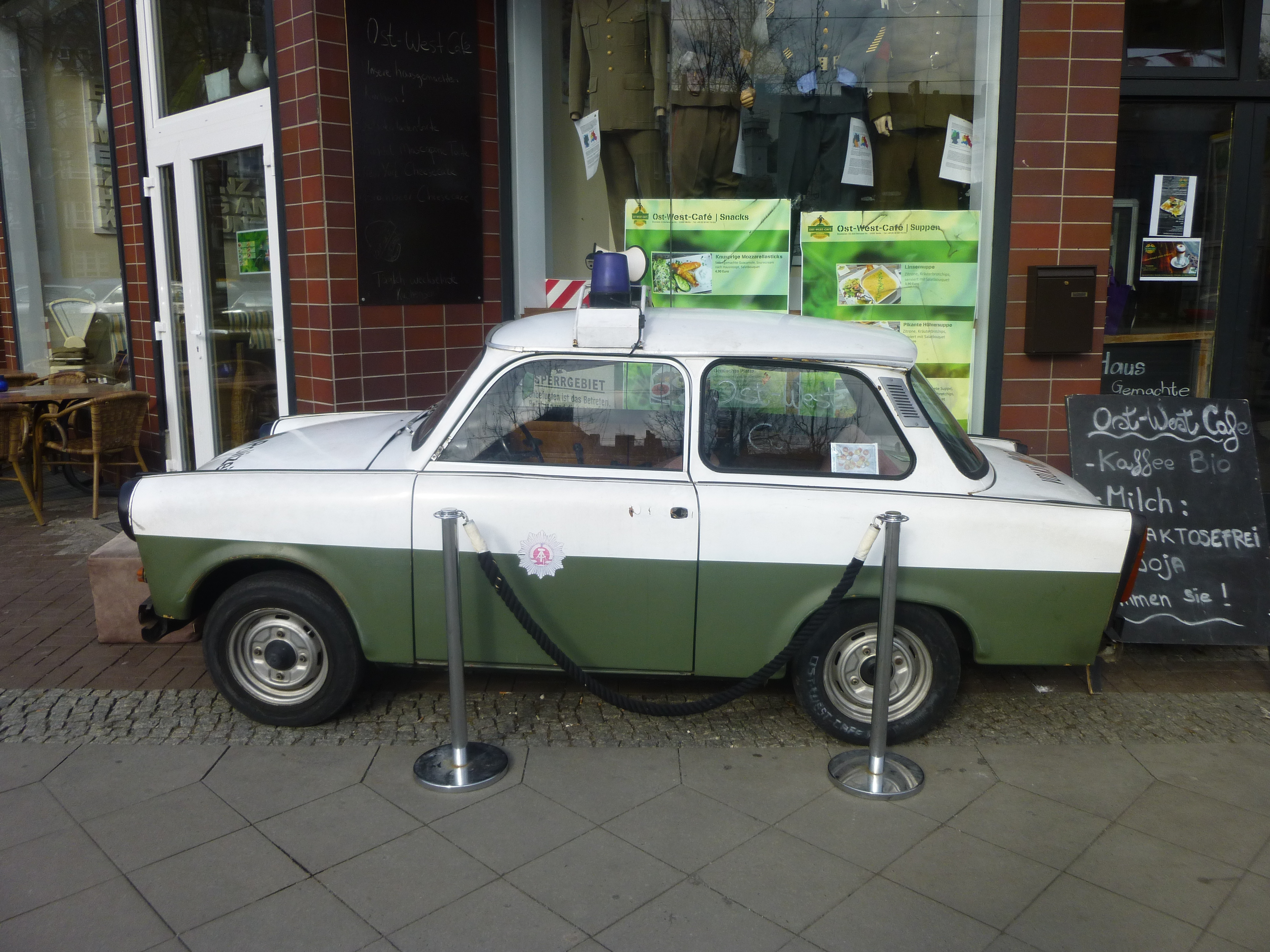
The People’s Police!

The Ost-West cafe on Bernauer Strasse. Love that car!
The People’s Police!
In this year, 2014, the one hundredth anniversary of the start of the First World War, we are not short of commemorative books and films, with much more to come, I’m sure.
The BBC had a brilliant three part drama, “37 Days” a few weeks ago, telling the story from the British political perspective, from the moment Archduke Franz Ferdinand was assassinated in Sarajevo on 28 June 1914 by Bosnian Serb nationalists. It’s not on the iPlayer at the moment, but hopefully it will be repeated. I strongly recommend it.
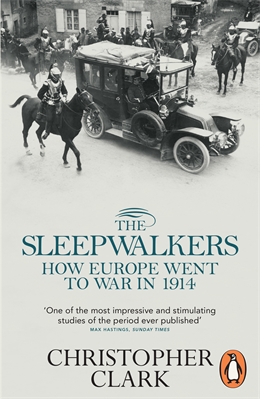
But what I want to write about here is “The Sleepwalkers”, by Christopher Clark, Professor of Modern History at Cambridge University. The subtitle is “How Europe went to war in 1914”. Not “why”, but “how”. This is an important distinction. The book details the events, the history, the diplomacy, the motives, the personalities and how all of this interacted and led to war. It doesn’t posit that country X or Y was to blame, or that it was caused by the industrial-military complex, or whatever. Everyone and no-one is to blame. Or put another way, here are the facts, this was the trail of events, make your own mind up if you think there was a main culprit.
This might be why the German translation of the book has been a big seller in Germany apparently. Because it doesn’t just resort to pinning the blame on an aggressive, militaristic Germany. Even if Germany was aggressive and militaristic – and it wasn’t alone in that. In fact, there is a lot of evidence to show that Germany was actually quite hesitant. Committed to supporting Austria-Hungary, very wary of the Russian threat, untrusting of the French, but not desirous of war and keen to stay friendly with Britain in particular.
The book is beautifully written, witty at times and insightful about the political personalities, the monarchs, the military men. Even though I felt I was reasonably well informed about the history, I learned so much reading this book. It’s quite long – the main text is 560 pages long – but it is engrossing throughout, and there is a genuine sense of foreboding at the end as Europe lurched, almost involuntarily, into war. Locked into position through alliances, and historical ambitions and resentments.
Britain plays a very ambiguous role. There was no appetite for war amongst the public, or in much of the Liberal Cabinet. The Foreign Secretary, Grey, was anti-German (but not vehemently so), and wasn’t exactly pro-France or Russia, even though they were our allies at the time. Could Britain have done more to prevent war? It feels like the answer is yes, but to do so it would have had to be much more engaged in the European interplay. Instead it sat on the sidelines, more interested in its colonial interests, and the Irish problem. Sounds familiar?
In the end, you can’t help but feel that if the Sarajevo assassination hadn’t have happened, something else would, which would have dragged the European powers into war. There were so many competing interests, and the political and military leaders were still playing 19th century diplomatic games. America wasn’t yet influential enough to sort them out. And they hadn’t quite twigged (or maybe accepted) that they all now possessed weapons that made short, decisive wars much more unlikely. And made mass destruction, of people and property, horribly inevitable. Notwithstanding the experience of the American Civil War only forty odd years previously.
A colossal tragedy which was maybe avoidable in the short term, but perhaps not avoidable in the medium term. And tragic not only because of the loss of life, but because of what it led to in Europe afterwards. Now maybe that was avoidable…
Anyway, I’m now starting to theorise. What I really want to say, is that that if you are interested in what led to the First World War and feel you don’t know enough, “The Sleepwalkers” is a brilliant place to start. Not happy reading, but intriguing and educative.
The Stasi Museum had a really good photo section. I liked the series of photos from the years just before the Wall came down. Showed that the youth were breaking down the Stalinist ways. Punk prevailed!
This is what the authorities didn’t like (translated version). Sorry for missing off a bit of the right hand side. But I think you can get the drift.
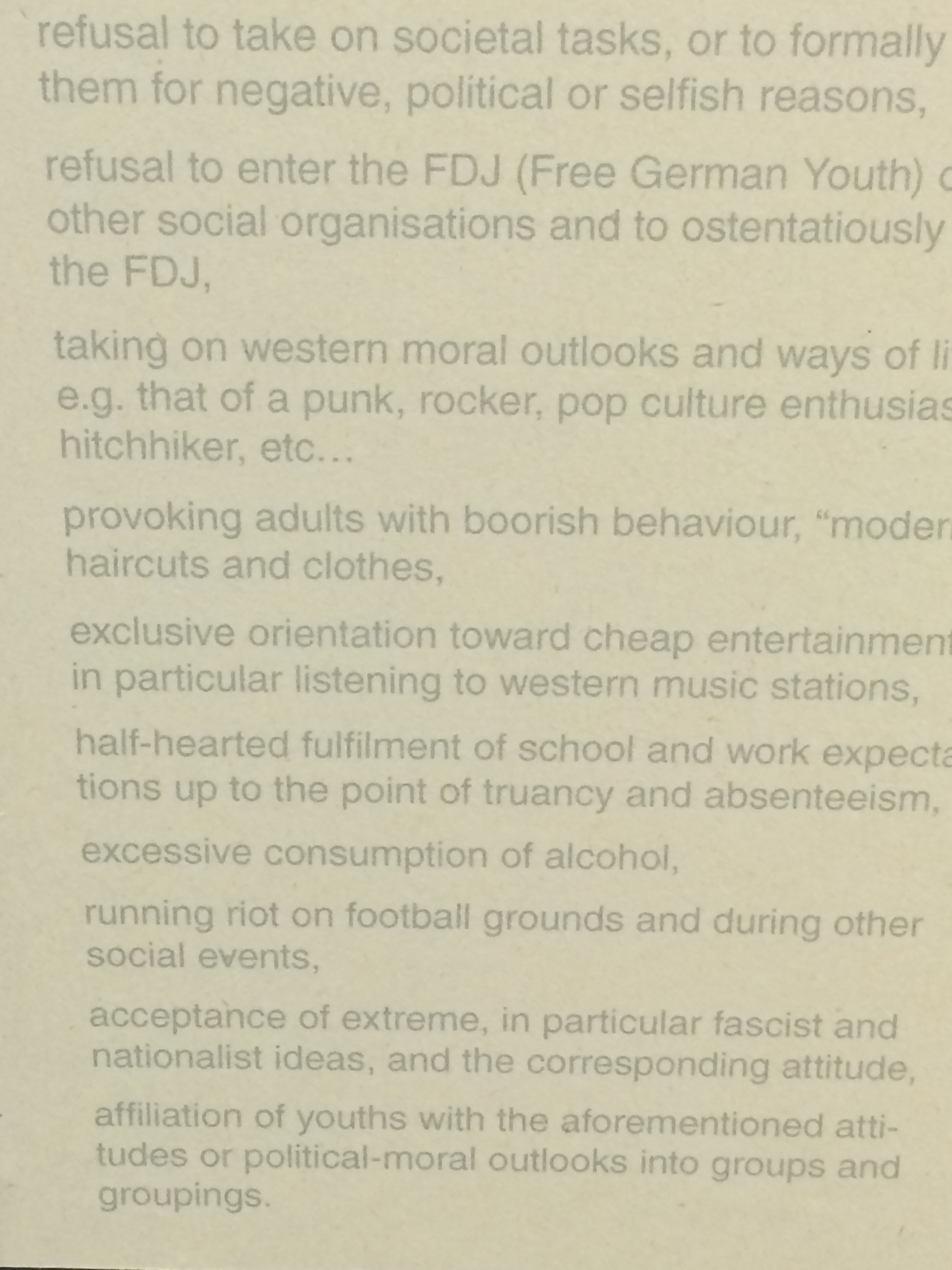
So they would have hated this.
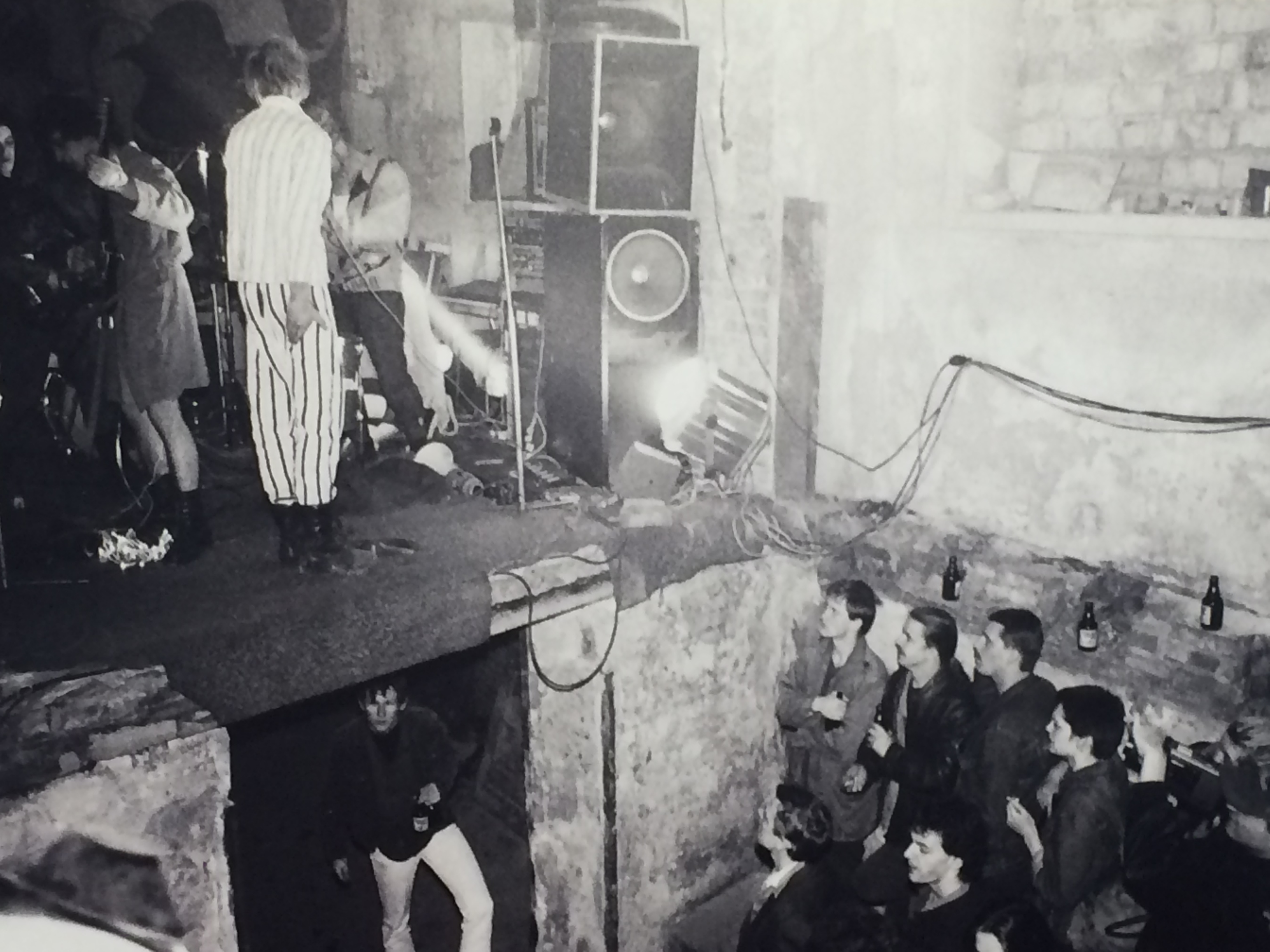
The photo above was taken in a building in Rosenthaler Strasse, which is now part of the rejuvenated Mitte district, where we stayed. An extraordinary transformation.
Some more of those punks…
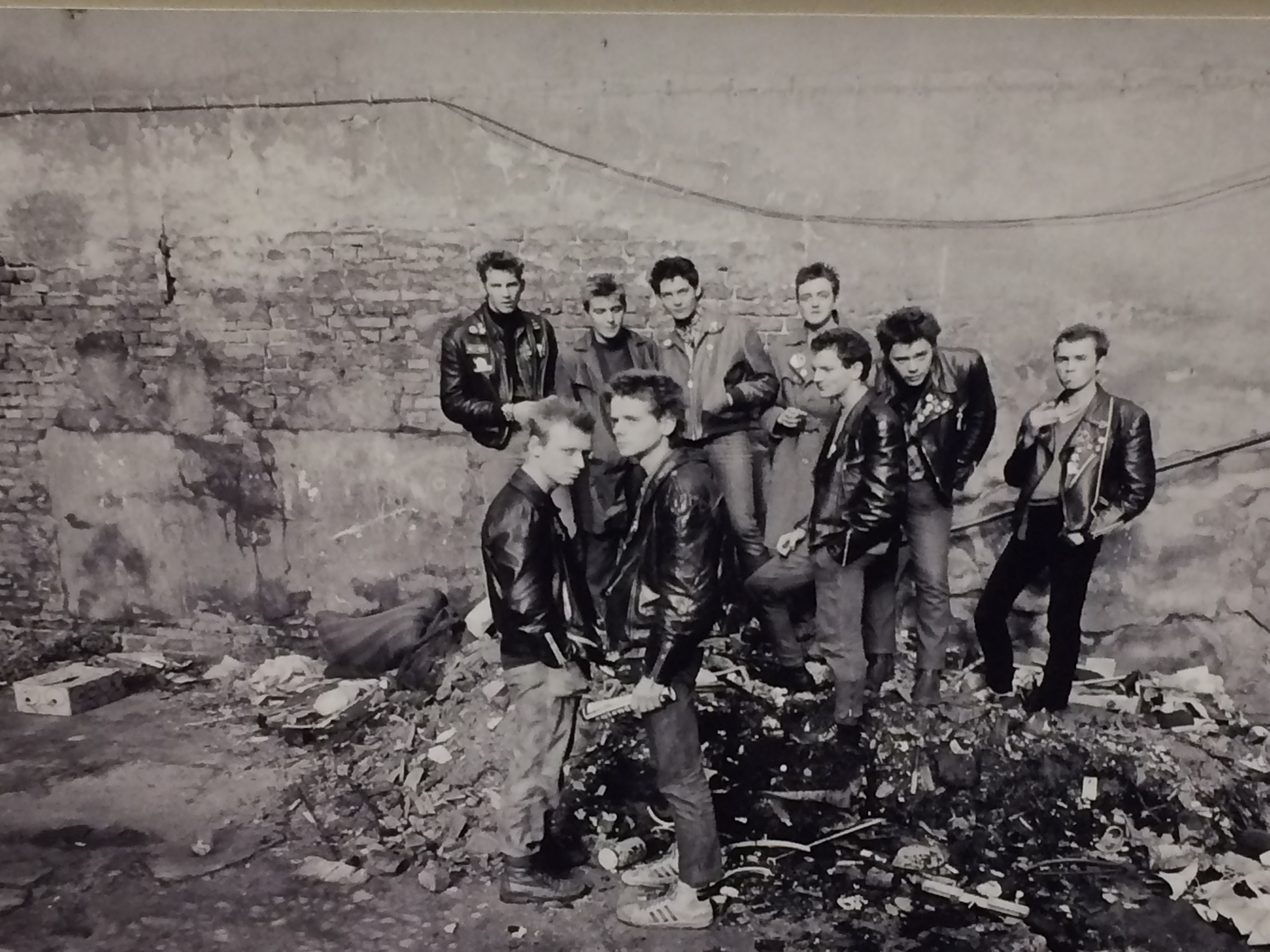
Being a punk in East Berlin in the 80s must have been far more dangerous than posing on the Kings Road in 1977.
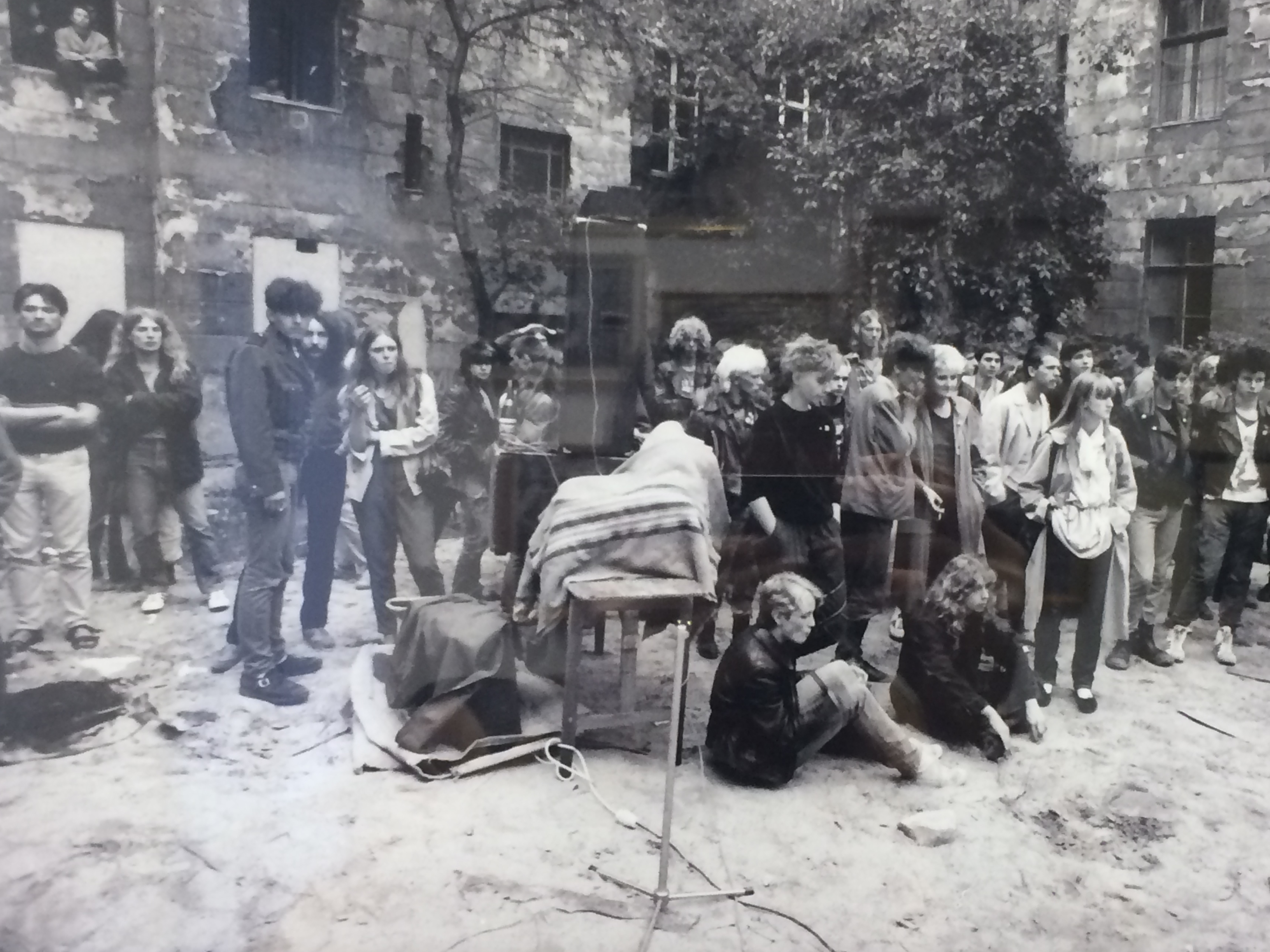
These dudes would have been punks in their early days if they could have, I’m sure.
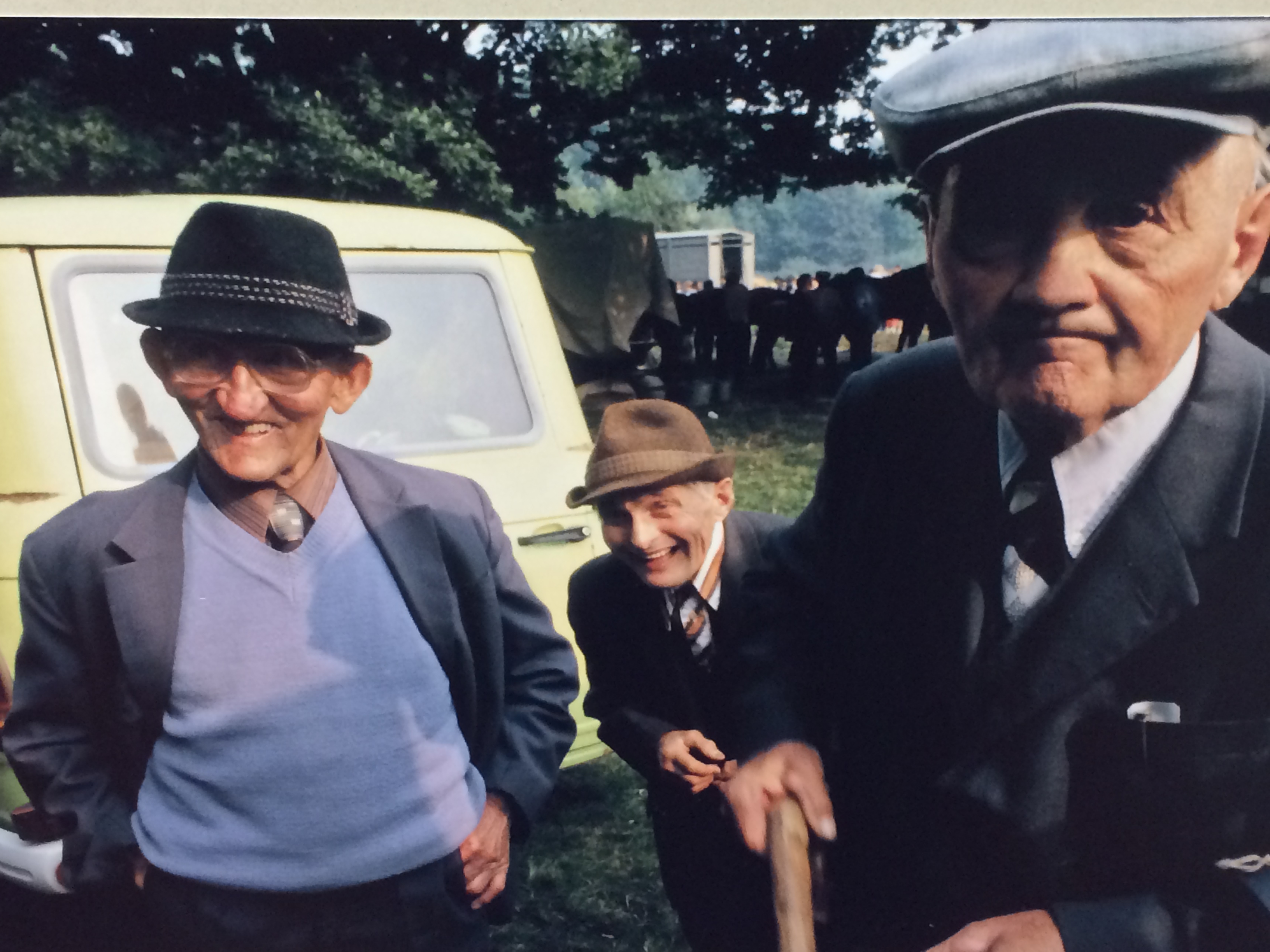
One for the Big D!
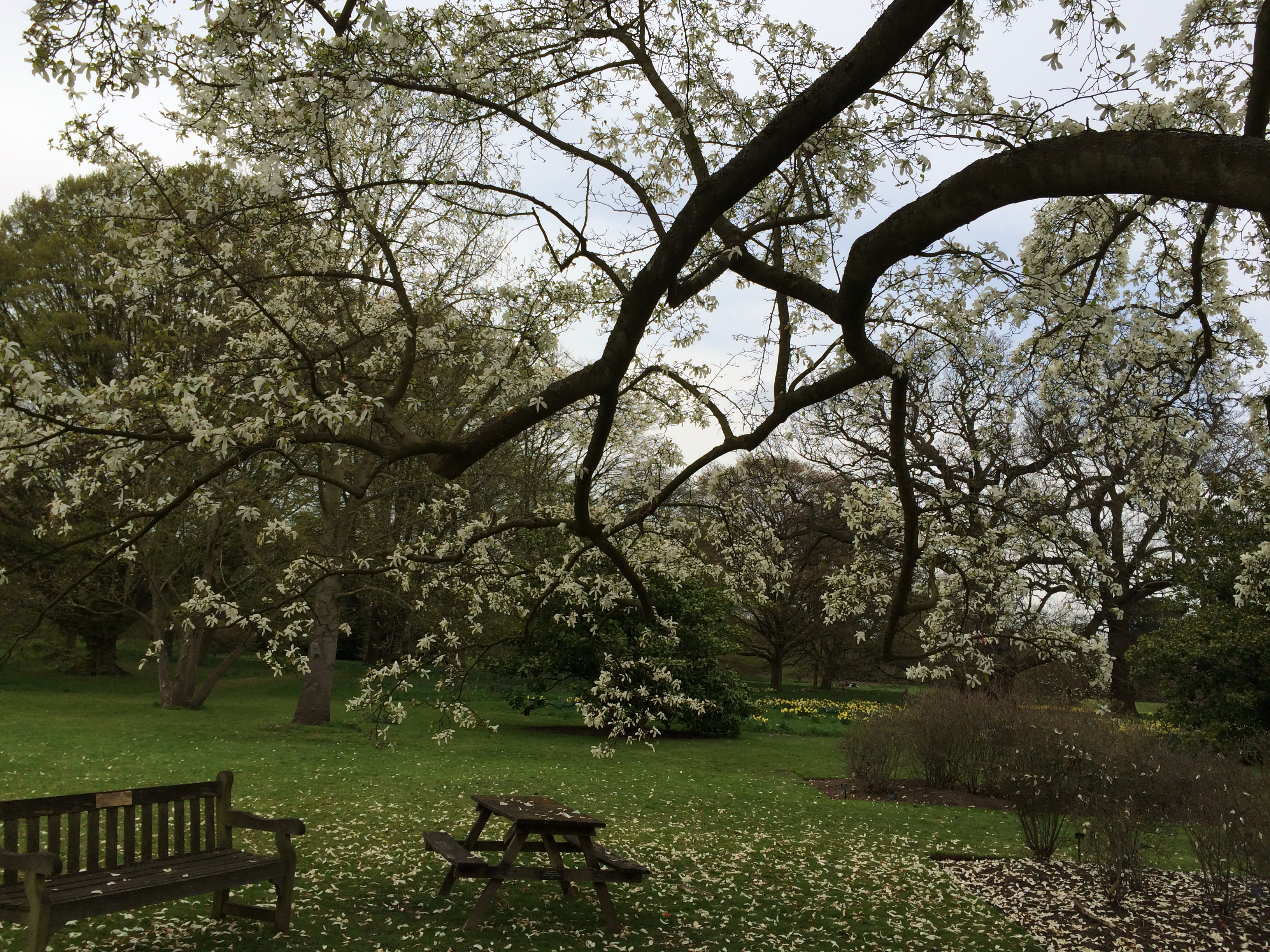
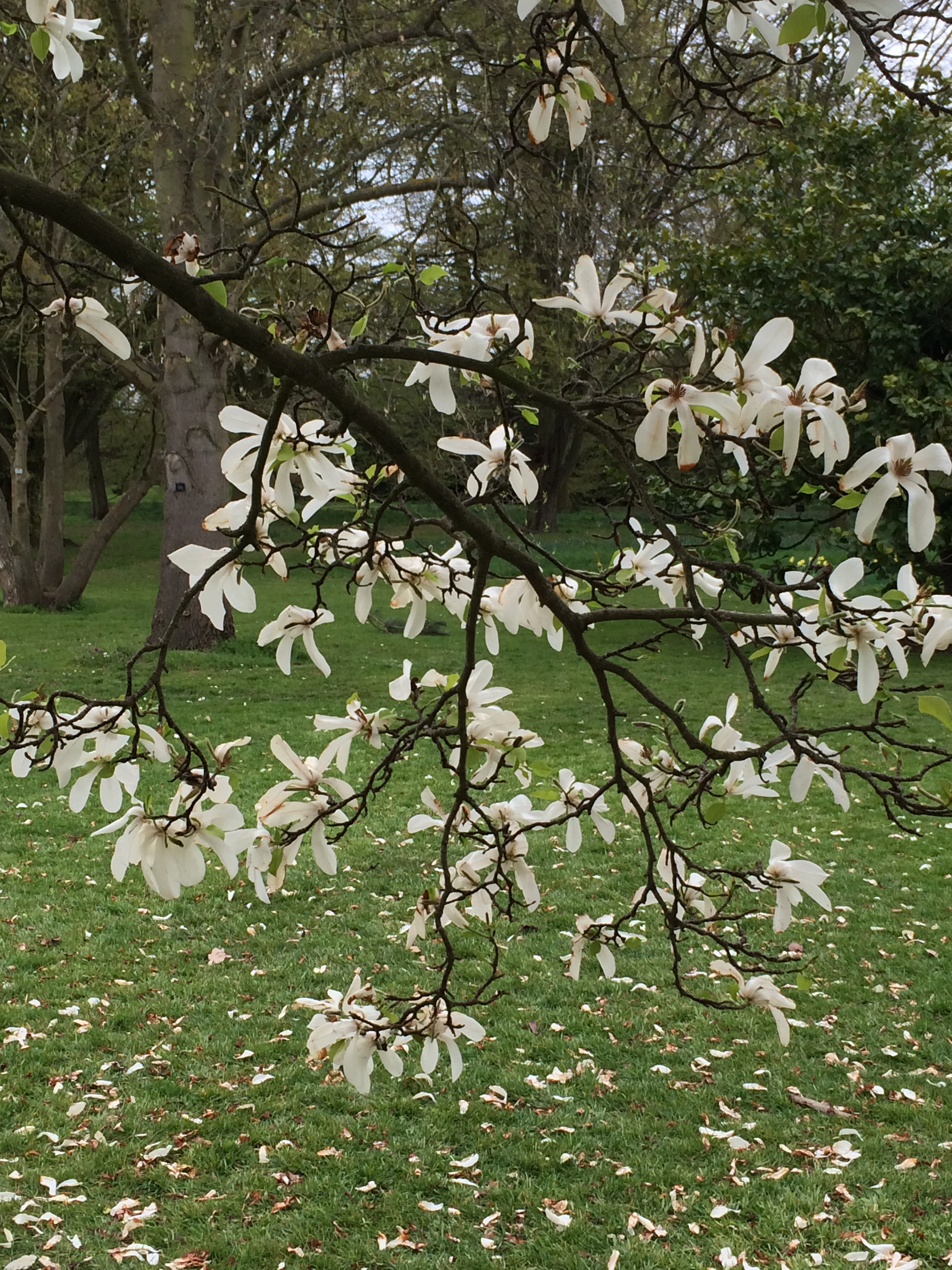
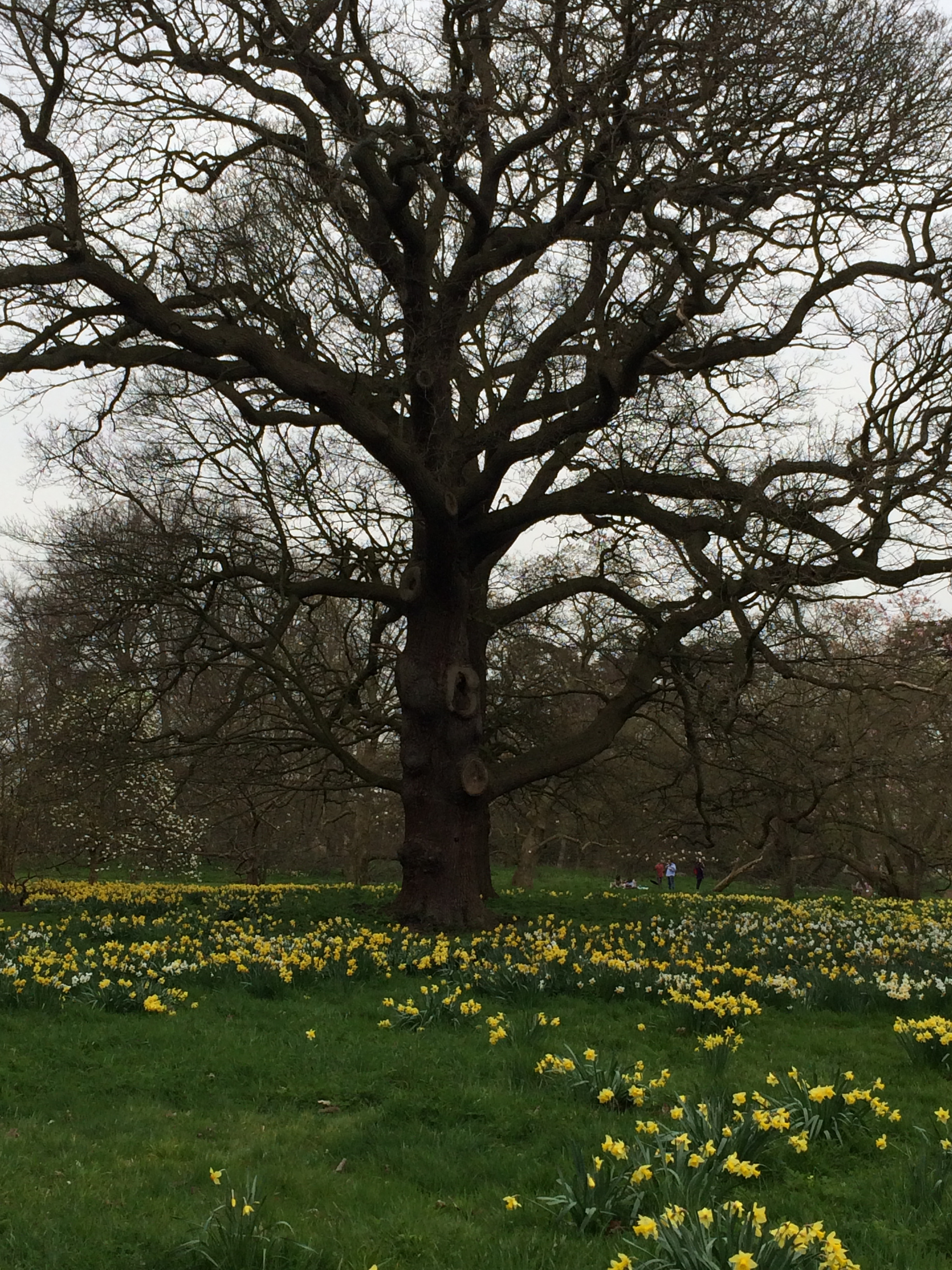
Daffodils and emerging azelias at Kew Gardens today. The next couple of months are when Kew really goes into full bloom. It is the loveliest and most serene park in London.
After this I’ll have to do a blog on Motorhead…

The vertical/portrait photos are a bit large at the moment as WordPress seems to have removed the ability to shrink them to 70 or 80%, which is what I usually do. It’s medium or large or full size only and the last two are the same. Maybe it wants me to change theme.
That sounds like a lot of effort!
Cranes of Victoria.

All 12.30 yesterday it all looked so good. Just back from a bracing cycle. Chelsea v Arsenal – Arsene’s 1000th game – then Saracens v Quins at Wembley, the afternoon rounded off with West Ham v Man Utd at 5.30. Wasn’t that hopeful of a good result for any of my teams, but thought they were all in with a shout. Whatever happened, an excellent menu of TV sport.
It didn’t take long to go badly wrong!
There was a puzzle at the off at Chelsea v Arsenal. A must-win game, defensive solidity essential. Why wasn’t Flamini playing? He was fit and on the bench. When they were already missing so many of the first choice midfield – Wilshere, Ozil, amsey – this seemed reckless. Clearly they were going to go for it.
Three minutes in, Rosicky puts Giroud through. Not a simple chance, but good enough for a striker on form. Giroud isn’t. He shot tamely and Cech saved.
A minute later Oxlade-Chamberlain gives the ball away, Schurrle breaks quickly, threads it to Eto’o. No mistake from him. Curled in: 1-0. Another three minutes, Schurrle breaks up the right again. This time scores himself. 2-0, not another Liverpool, surely…
Well, by the end, it was worse.
It about 15 minutes in, Chelsea break forward again. Hazard curls a shot beyond the goalkeeper’s reach. Alex Oxlade-Chamberlain decides he should try to stop it with his hands. It’s a spectacular save, even though the shot was probably going wide. A red card offence – although you could be pedantic and say, if it was going wide it isn’t stopping a goal-scoring opportunity, so should only be yellow. No matter, I think all viewers assumed the Ox was off. Except the ref, Andre Marriner decided it was Kieran Gibbs who handled it – and sent him off! And he refused to listen to all the players, including Alex himself, who said it was him. If ever an incident showed the need for a Television Match Official, as in rugby, this was it.
Farce heaped upon disaster, for Arsenal. Things settled down after that, but over the rest of the game, Chelsea scored another three against Arsenal’s ten men. 6-0!
In the three games away to their top four rivals this season – Chelsea, Man City and Liverpool – Arsenal have conceded 17 goals and scored 4. They have beaten most other teams with ease, but clearly lack something when it comes to the crunch, against the best. Still brittle.
Arsene took it badly and refused to appear at the press conference afterwards. He has been silent since. You just wonder whether the conjunction of the 1000th game and this implosion might just make him think, I’ve had enough. I hope not. I’d rather see him bow out, if bow out he must, after winning the FA Cup in May. It is there for the taking.
But, blimey, if they lost to Wigan….
And so to the rugby match, Quins up against Saracens at Wembley. A Saracens home game. The mystery here was why Conor O’Shea didn’t recall all his England heroes. Joe Marler played (having missed the Italy game because his wife was giving birth), but Chris Robshaw, Mike Brown and Danny Care were rested. Owen Farrell and Mako Vunipola, on the other hand, were in the Sarries team.
It’s not as if Quins didn’t have good alternatives: Luke Wallace, Olly Lindsay-Hague and Karl Dickson are all excellent players. But I just wonder whether Quins were thinking, we will struggle to win this one: let’s keep the players fresh for the run in to the end of the season. Another five league games, all tough. All to be won if we are to make the play-offs.
As for the game, after a bright enough start, Quins defended like Arsenal. Two intercepted tries for Sarries, both the result of over-ambitious long passes. Another couple of tries where the Quins defence just seemed to go missing. So unlike them. So many knock-ons when in good attacking positions. Just a really bad day at the office. Saracens won 39-17 and Quins have slipped to sixth in the table.
So could West Ham spring a surprise victory against Man Utd at Upton Park? Make it all OK? They’ve done it before, and now was surely a good time, when Man Utd haven’t been very good. Boosted by winning their Champions League tie against Olympiakos, but missing Robin van Persie, who is out for the rest of the season with a knee injury.
No they couldn’t. 2-0 to Man Utd. Rooney in imperious form and scoring a wonder goal from the half way line. West Ham again mono-dimensional, their one tactic to get the ball on to Andy Carroll’s head. I’ve fulminated against Big Sam’s tactics before so shan’t bore you again. But hard as the team tried yesterday, they were just going nowhere. After three losses, the relegation zone looks near again – only six points away. The main hope is that there are plenty of other mediocre teams. Big game on Tuesday against Hull. Yes, that it what it has come to. Desperate to beat Hull.
So the TV armchair, the sofa, the couch, was not a happy place yesterday.
But then I went off and wrote a piece for my book about Cornershop and started on Sigur Ros and everything was OK…

Tomorrow Arsenal play Chelsea at Stamford Bridge. A defining moment for their season. If they win, the Premier League title is back on. If they lose, the quest is probably over for this season. A massive game.
But it is massive for another reason. It is manager Arsene Wenger’s 1000th game in charge of Arsenal.
A few years ago I was on a “leadership” course at work. We were asked to nominate someone whom we admired as a leader. As ever Churchill got a lot of votes, Thatcher and Blair too… and of course, Alex Ferguson. I voted for Arsene Wenger. Why? For me he embodied all the leadership qualities I admire: vision, love for what he was doing, thoughtfulness, modesty, an ability to understand and motivate his players, a commitment to playing football the right way. No histrionics, dictatorship, no sense that it was all about him. An admirable man.
I stick by that on the eve of Arsene’s 1000th game. With the retirement of Fergie, he has managed Arsenal for almost as many Premier League games as the rest of the PL managers put together. 667 games against 693 for the other 19 (at their current clubs). That’s a tribute to Arsenal’s long term vision as well as the man himself, because, as we are all so aware, he hasn’t won a trophy since 2005. Arsenal’s focus financially has been the building of the Emirates Stadium and transforming Highbury into a residential complex. That, combined with Wenger’s preference for developing young players, rather than buying established superstars, has meant that Arsenal haven’t bought success over the past eight years. They’ve still qualified for the Champions League every year, but they haven’t won anything.
And that, of course, has meant that a lot of fans have been calling for his head. After the opening game of this season, when Arsenal lost at home to Aston Villa and the “Wenger out” chorus grew stronger, it has been largely a success story and those cries have been silenced. Mesut Ozil was bought for £45m from Real Madrid, and his presence galvanised the team. Aaron Ramsey finally recovered from his broken leg and played with real authority in midfield. And Mertesacker and Koscielny in central defence have become true successors to Adams/Bould and Campbell/Toure. There have been wobbles recently. Winning the League is now an outside chance and they were knocked out of the Champions League by Bayern Munich (no disgrace). The FA Cup remains as a trophy they really ought to win, as the next best team left in at semi-final stage is Hull. But memories of the dreadful League Cup defeat to Birmingham remain.
Arsenal have been a fragile lot in recent seasons. While I don’t think Arsene ever lost the plot, he did lose sight, it seems, of the need for a strong backbone in the team. As he had in his first full season in 1997-98, when Arsenal won the League and Cup Double, and in 2003-04 when “The Invincibles” went through the League season unbeaten. What a team that was! Thierry Henry, Denis Bergkamp, Robert Pires weaving their magic. Freddie Ljungberg darting in from the right. Viera and Gilberto imperious in central midfield. Toure and Campbell rock-like at the back. Cole and Lauren marauding full backs. Lehmann, slightly crazed, but solid in goal.
And always playing football the right way. On the floor, fast and intricate passing. Skill encouraged. A true love of the game. Going back to that first Wenger team, in 1997-98, he inherited a great back four in Dixon, Adams, Bould and Winterburn, with Keown making five and David Seaman in goal. But he changed the way they played. I will always remember a moment towards the end of the season, when Arsenal beat Everton 4-0 and Tony Adams, who had once been reviled as “The Donkey”, took a looped pass from Steve Bould on the volley from the edge of the box, on the run, and fired it into the net. It was an amazing piece of skill. The ugly duckling had become a swan. The Wenger effect.
I would love to see Arsenal triumph against Chelsea tomorrow. I would love to see them win the League. I’m not that confident on either count. They still don’t have that backbone that the 97/98 and 03/04 teams had, although they are getting there. But they are still playing football the right way, the beautiful way. And there is still a chance.
Arsene still believes. And we must believe with him. #inarsenewetrust
The great Cesc Fabregas tweeted his appreciation of Arsene today, using this photo. Barcelona superstar, heir to the Xavi throne. Still called Arsene the Boss...

(And yes, I’m a West Ham fan, still!)
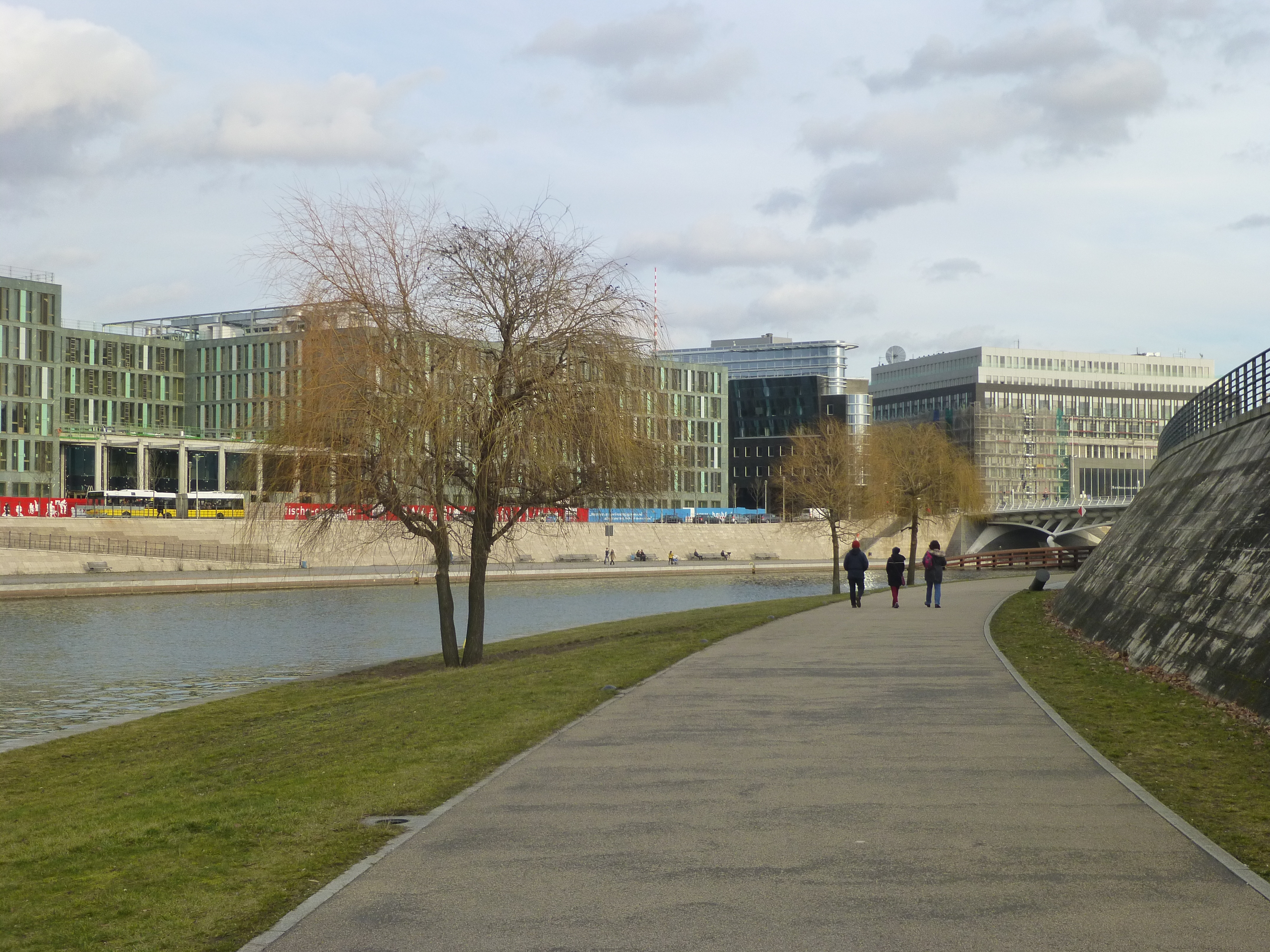
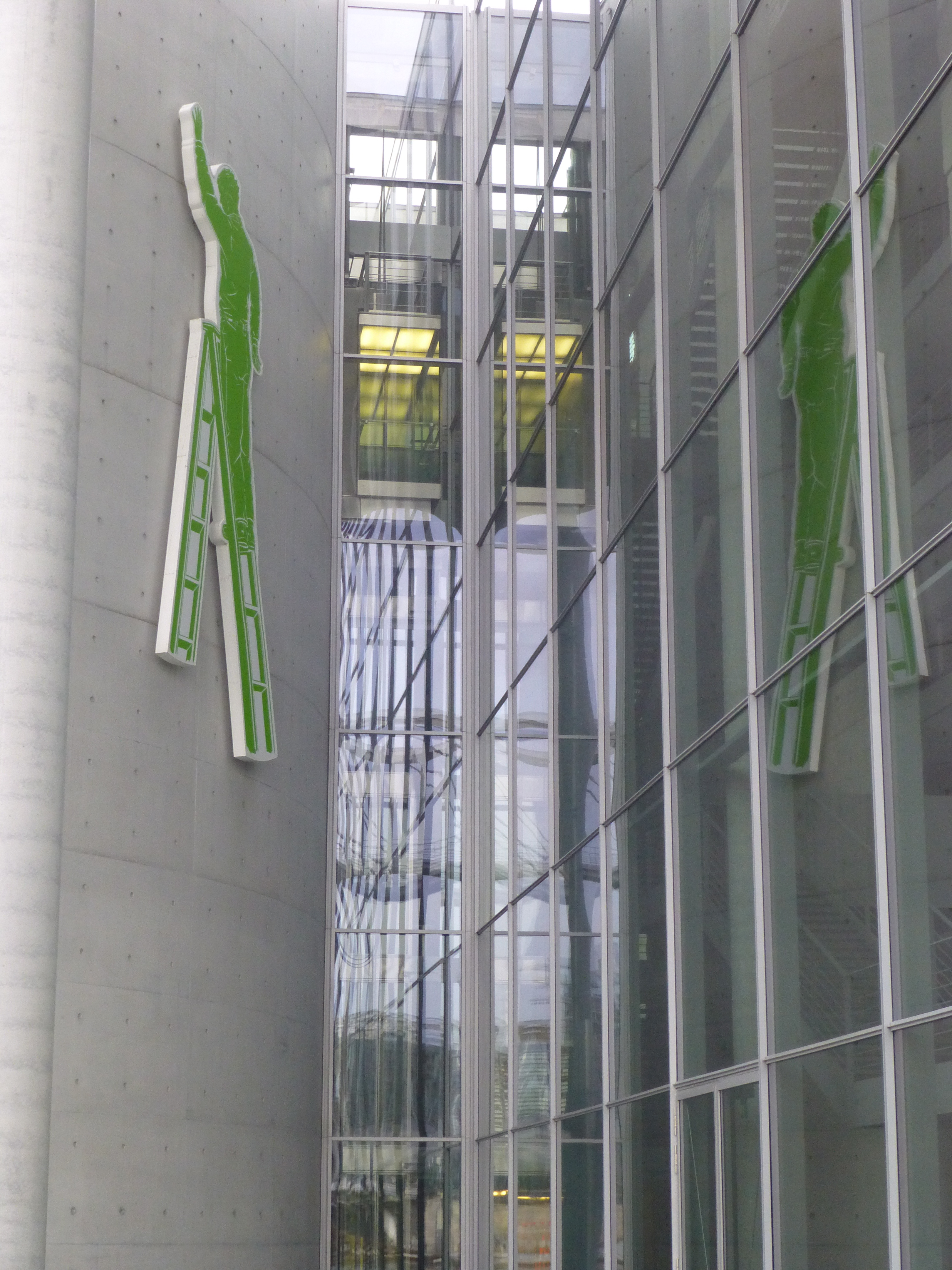
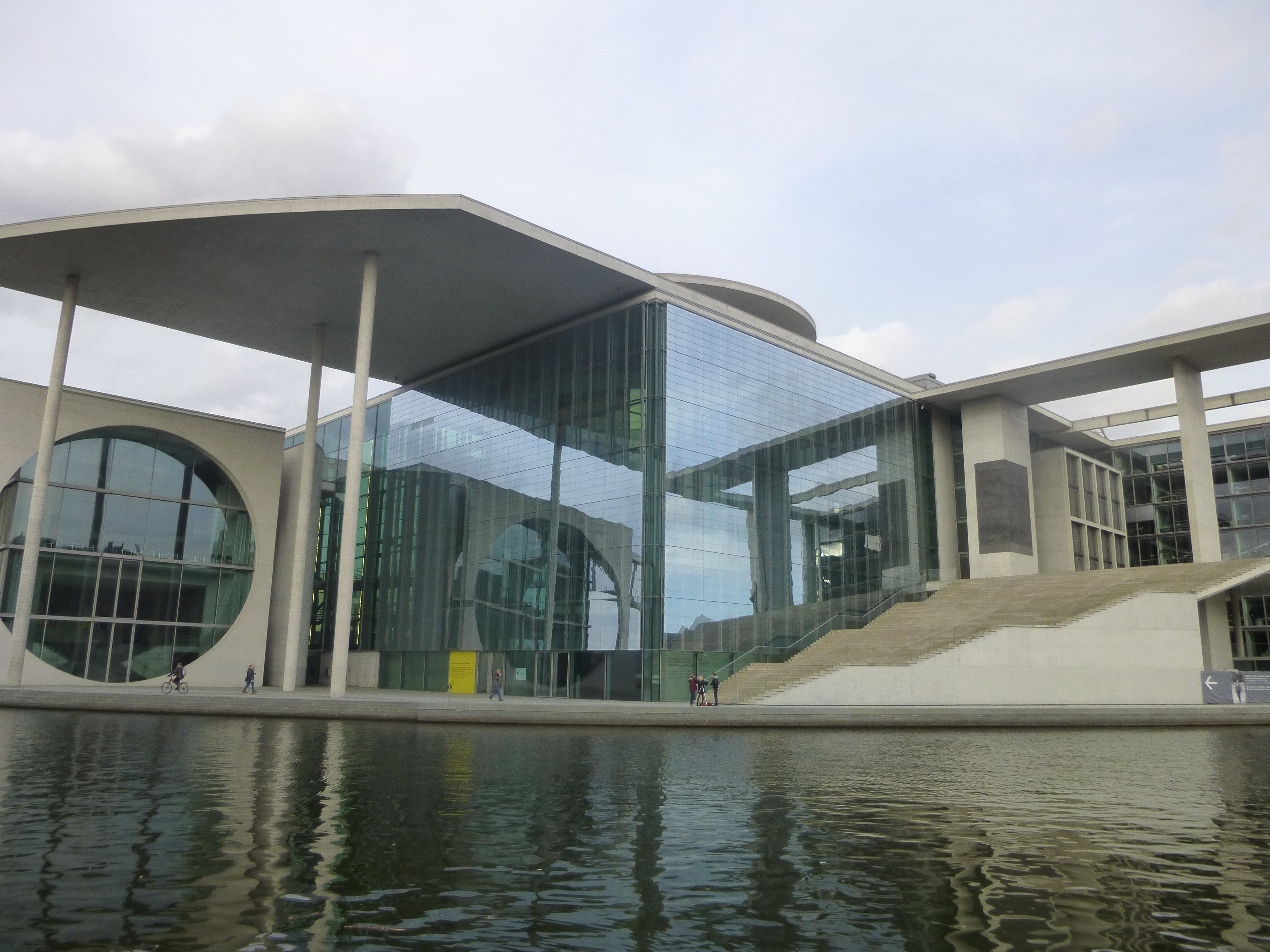
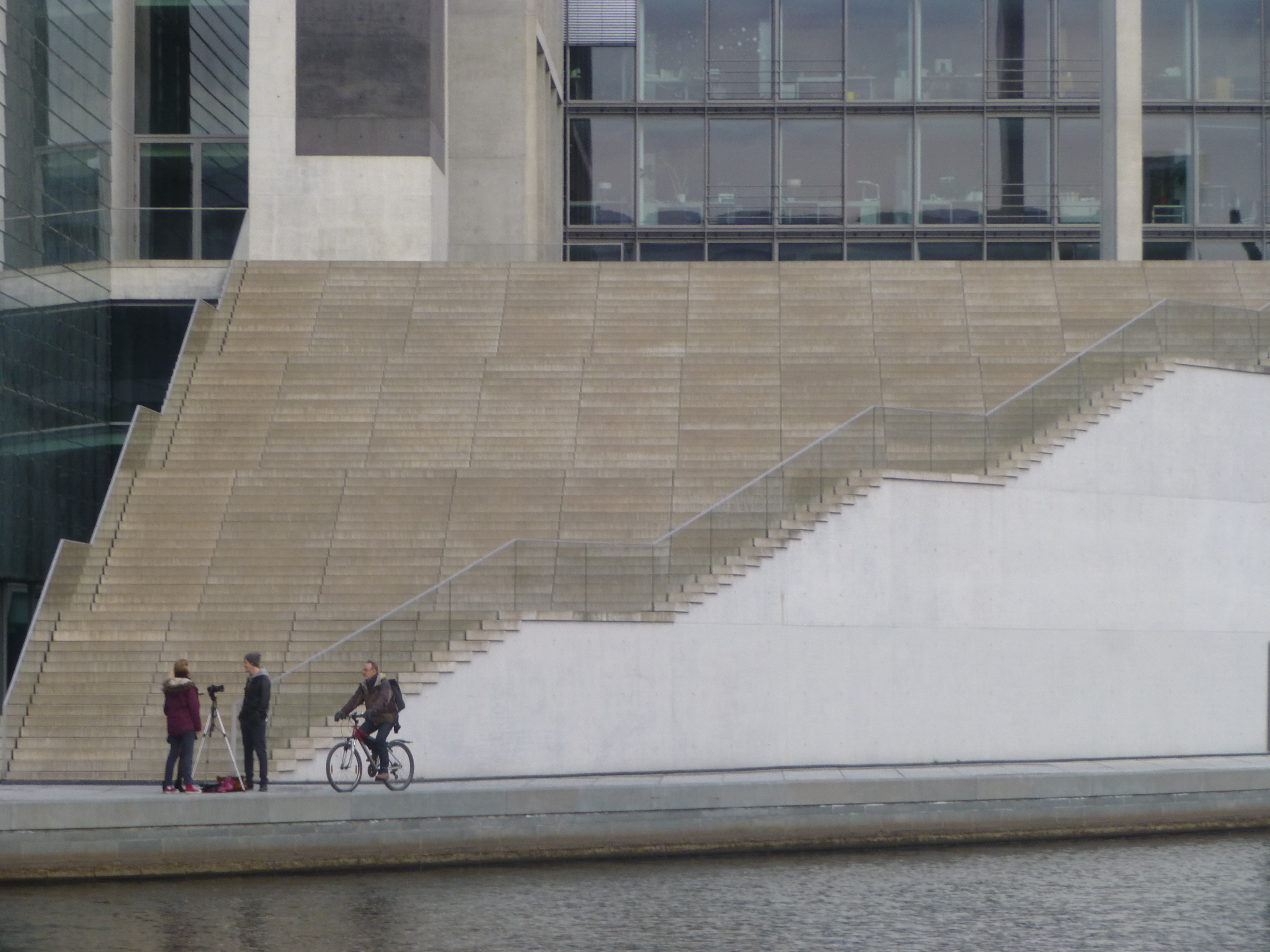
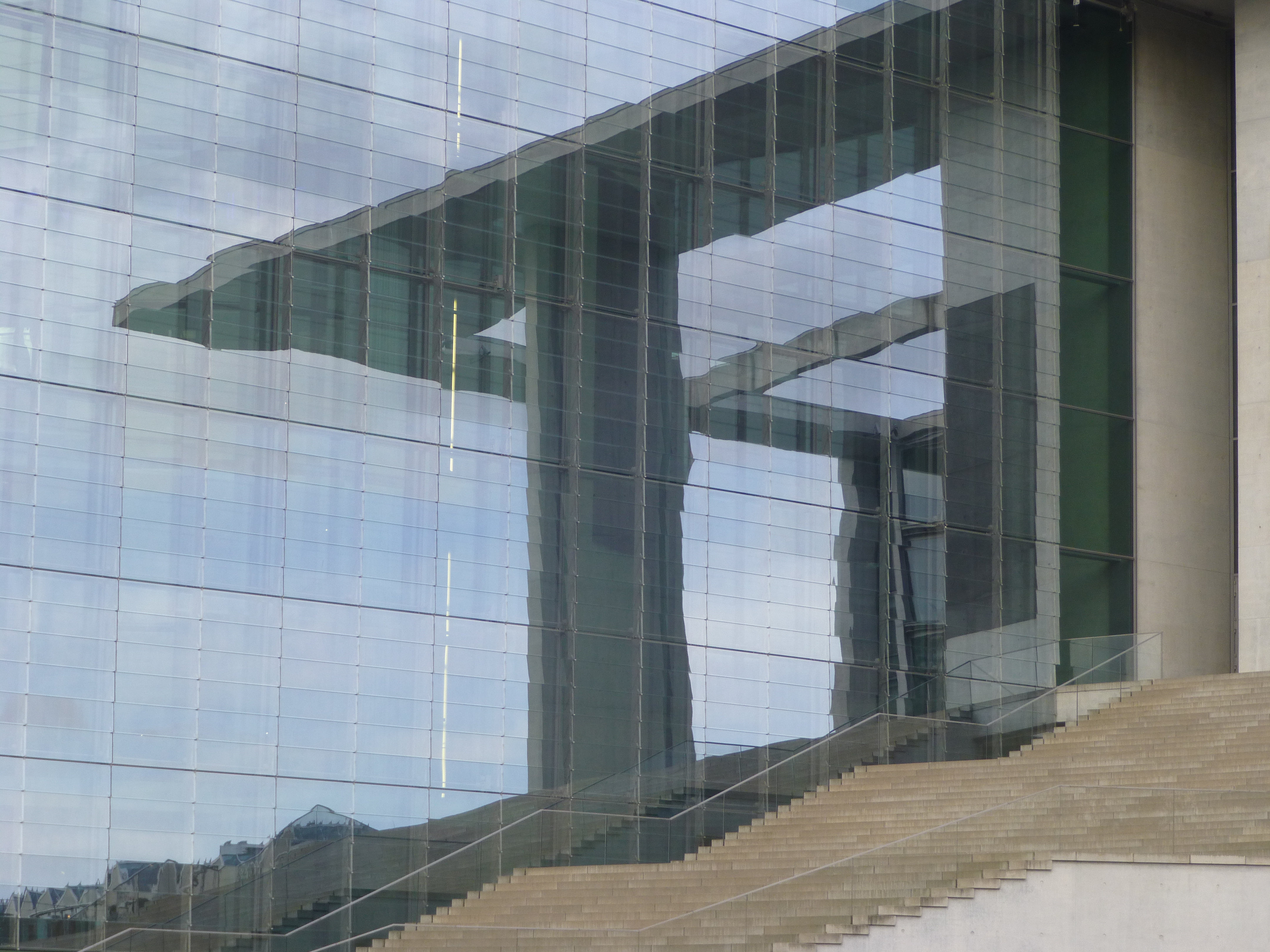
From the Hauptbahnhof along the River Spree towards the centre, you can view the modern Berlin. Some architectural wonders, with a hint of the monumental. I had great fun taking all sorts of pictures. Different angles and shapes. Here are a few I liked.
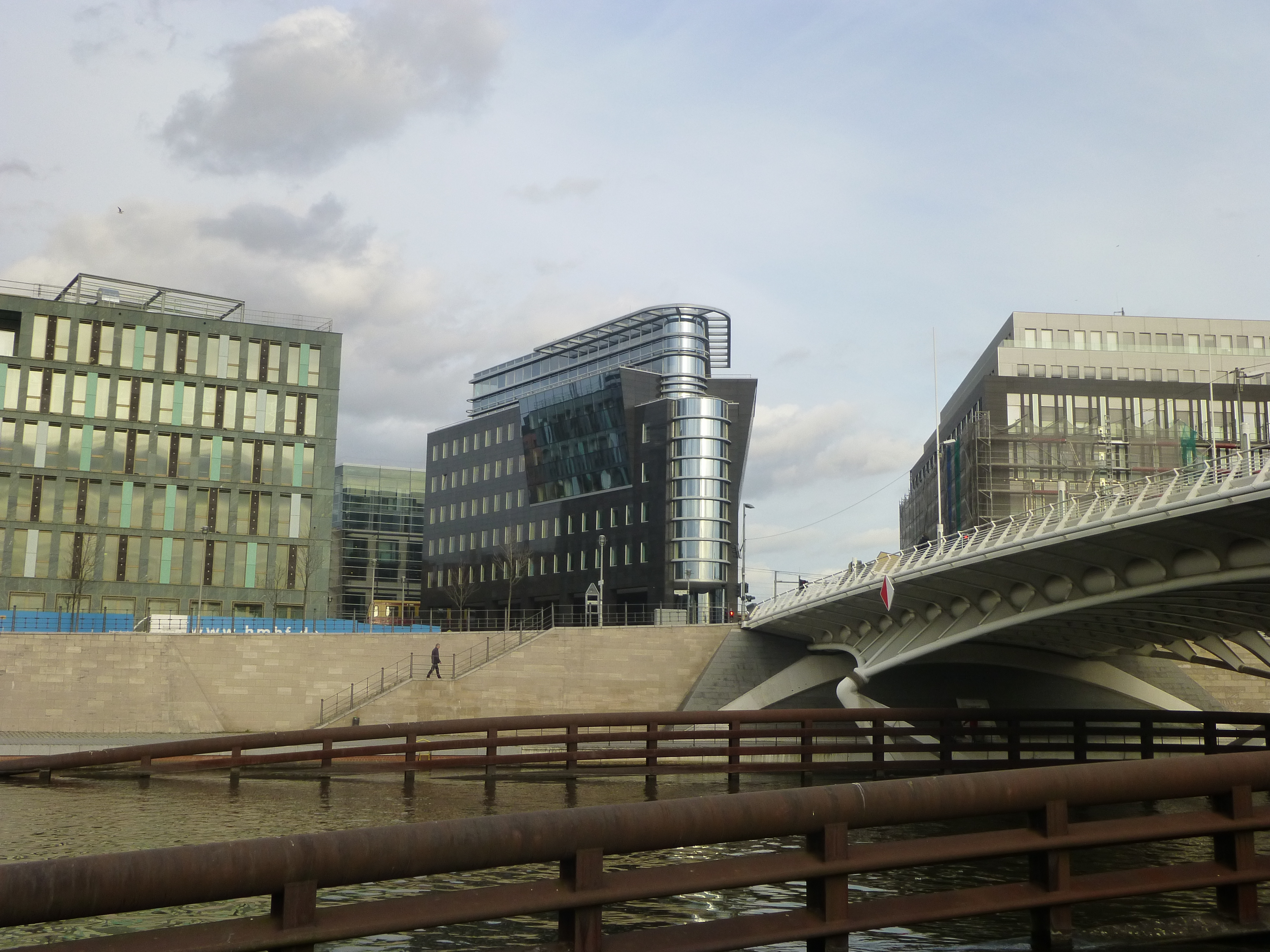
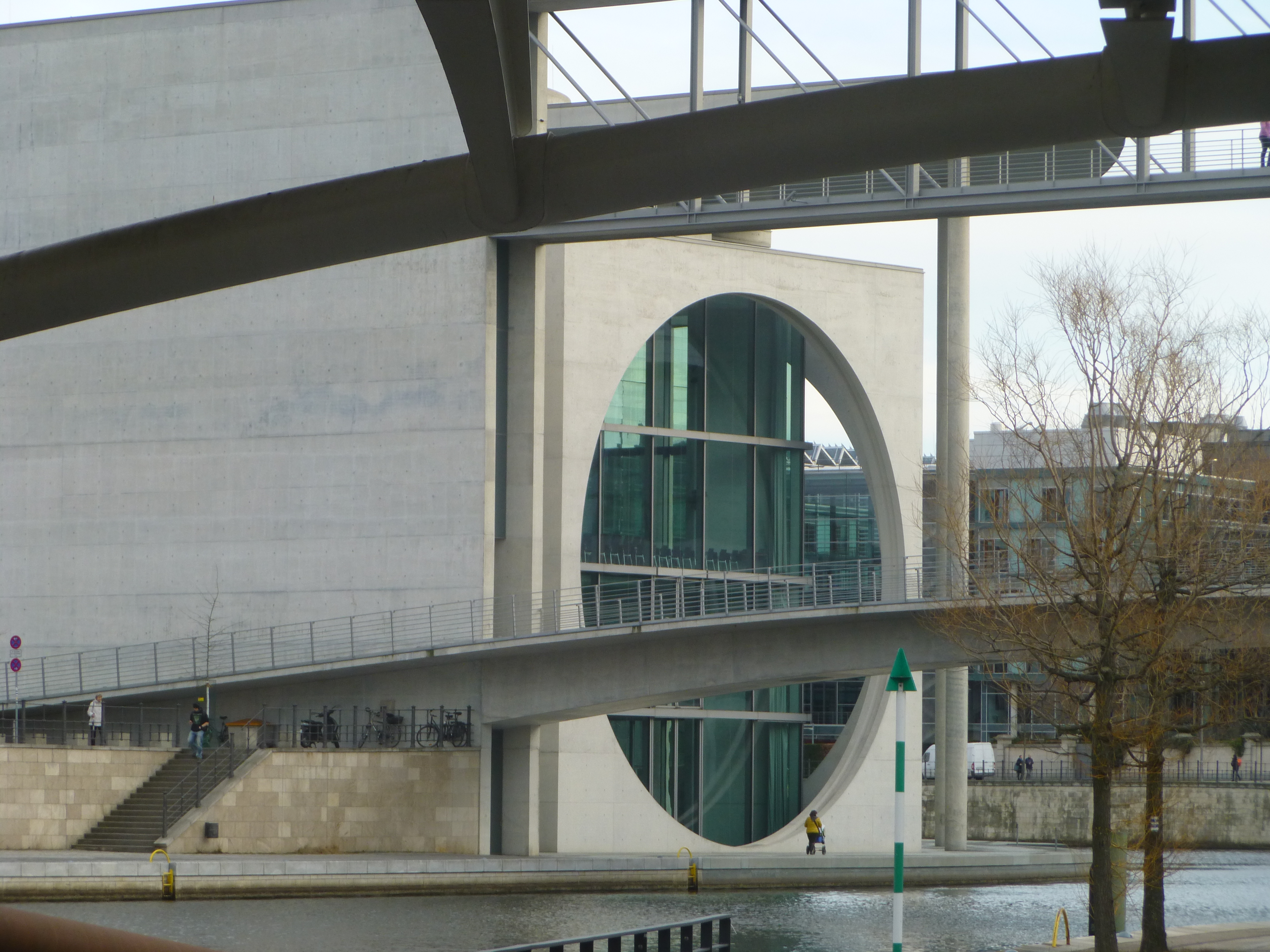
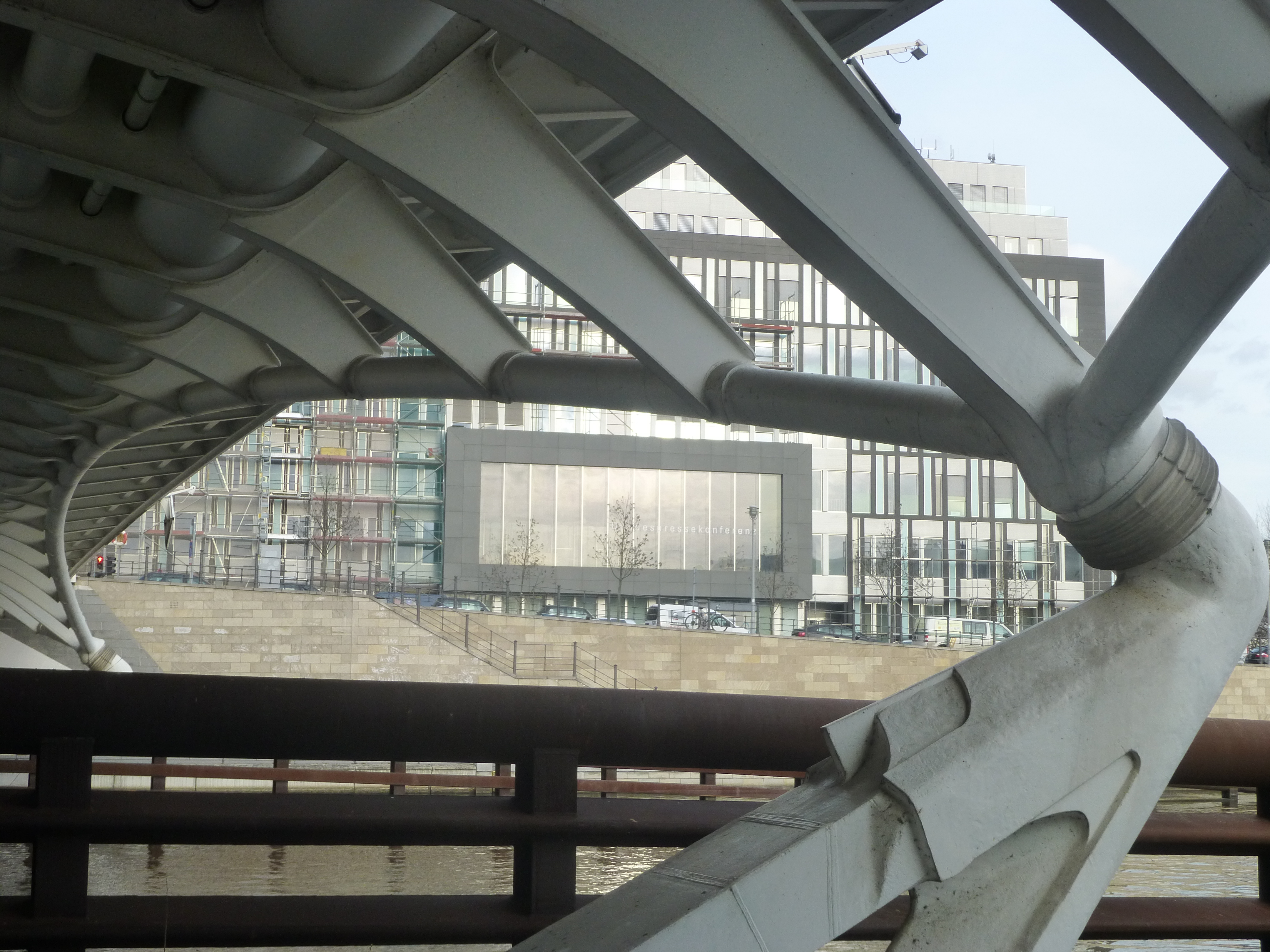
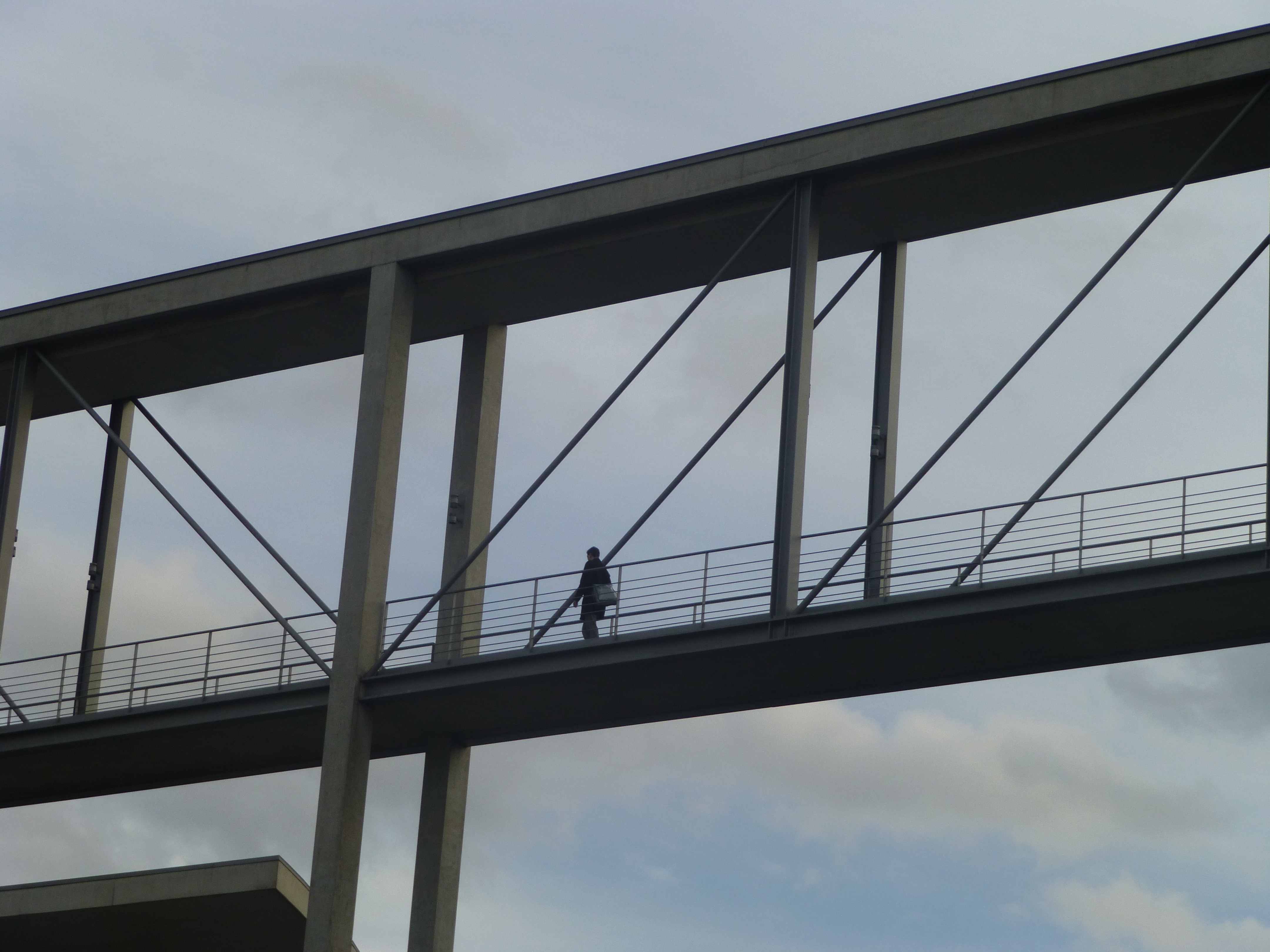
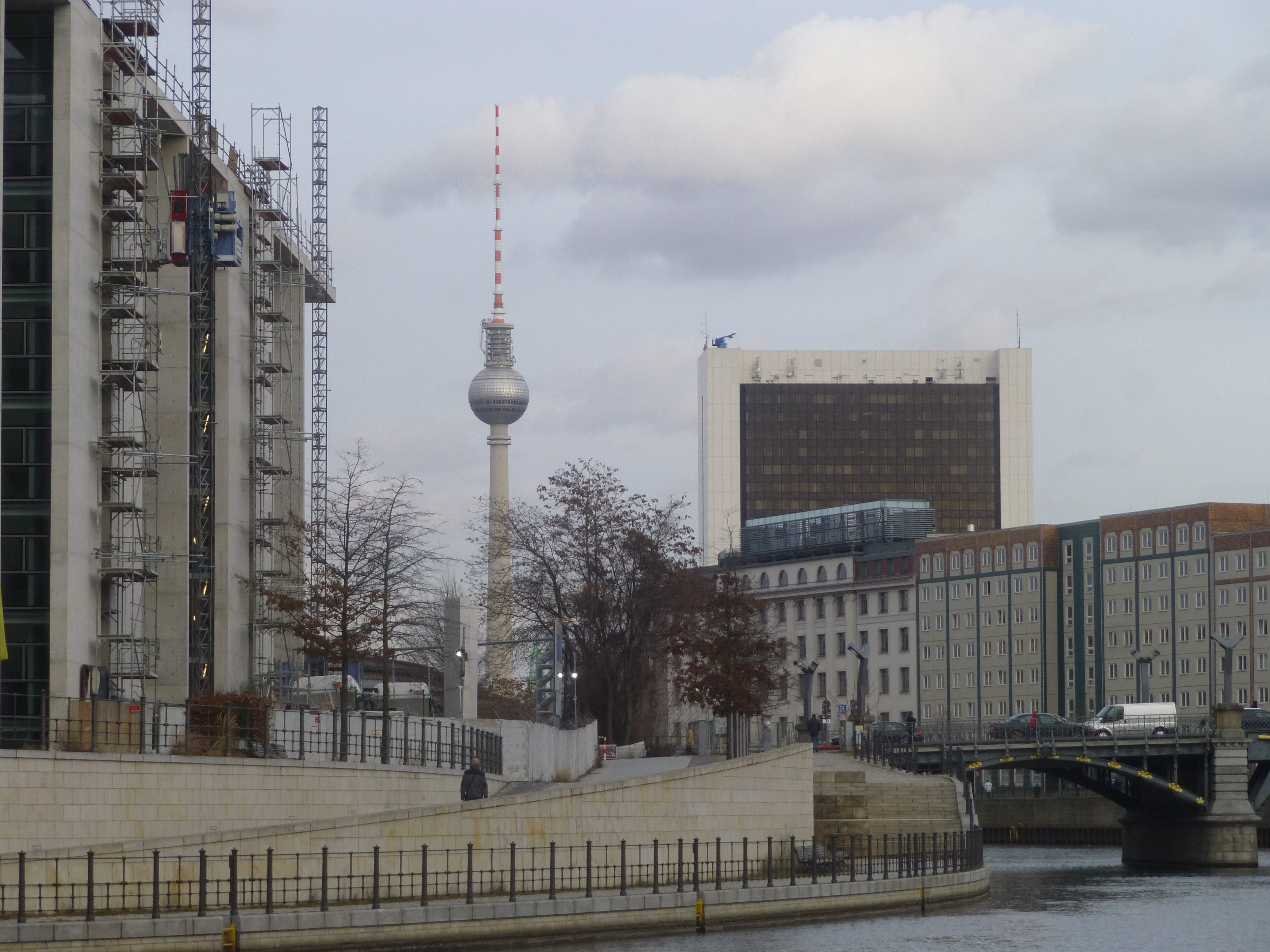
The journey wouldn’t be complete without the ubiquitous TV tower!
So my predictions weren’t off the wall this year. I had the top two, England and Ireland, the wrong way round. I got Wales 3rd and France 4th right and Italy/ Scotland the wrong way ( I thought Italy would beat Scotland – and it was only a last minute drop goal that reversed the result).

With my Irish heritage I always tell myself that Ireland are my second team. But their supporters hate England so much – they are not unique in that matter! – that I find it quite hard to stick to that. Nonetheless, I’ve got to say that Ireland were impressive in this Six Nations and deserved the win against France, by 22 to 20, even though the French got a try at the end which some adjudicators might have given. (I thought the decision to disallow it for a forward pass was correct). I’m less sure about the final scrum, where some refs might have given the French a penalty, as Ireland pulled down the scrum. It would have been a simple kick and France would have been 23-22 winners. Would have, could have, should have... the sporting perennials.
The French game was, of course, Brian O’Driscoll’s last test. The last of 133, with 46 tries scored. A magnificent achievement, truly one of the great rugby players. A centre with huge strength matched with delicate skills. But at the same time a player you’d always see at the heart of the breakdown, playing like a wing forward. I daresay he could have been a brilliant hooker too. A rugby genius.

So, Ireland were champions on points scored vs points conceded. They and England were equal on 8 points, both having won 4 and lost 1. If the table was decided, as in the football World Cup, on the head to head, England would have been champions, having beaten Ireland 13-10. (See my Sportsthoughts 95 for a report on that). But the rules are the rules. England beat Italy 52-11 in Rome on the last day. They had chances for more, and a bit of lazy play allowed the Italians to score an intercept try. But you cannot knock a 52-11 win in Rome. Italy have become very tough to beat in recent years. England’s 7 try performance can only be regarded as exceptional.
England missed out on the championship, then, but it has been a very satisfying tournament. The team has gelled, the youngsters have come through, it is looking very good for the future. Everywhere you look there is encouragement. The forwards have been outstanding. The second row, Courtney Laws and Joe Launchbury, have taken the plaudits for their power, precision and athleticism. Absolutely immense. Flankers Chris Robshaw and Tom Wood have also ruled the breakdown and made the links to the backs; Billy Vunipola and Ben Morgan have been brutally incisive No 8s, and the front row of Marler, Hartley and Wilson have done a fine job. And the subs have done the business when they have come on – except for Tom Youngs’ throwing at the lineout (although even that has got better in the later games).

The backs have been a revelation. Danny Care has been buzzing as first choice scrum half; Owen Farrell has been supreme at fly half (although he does still get a bit arsey at times); Billy Twelvetrees and Luther Burrell have been superbly complementary, running great lines and both fantastic in defence; the young wingers Jonny May and Jack Nowell have shown a lot of promise; and then there has been Mike Brown. Full back, Quins boy, he has been the player of the tournament. Bringing his Quins form of the last four years to the international level now. Always breaking the first tackle as he marauds forward, always catching the high ball under pressure, always putting in the crucial tackles. And now scoring tries – four in the tournament. As a Quins fan I have so enjoyed seeing him make the full back position his own, against some tough competition from Alex Goode and Ben Foden. Both excellent players themselves. England are very well served in this area.

And well served in every position now. The strength of the Premier League is beginning to show in the national team.
What does it mean for the World Cup in 2015? Who knows? England are in the Group of Death with Australia and Wales. It will take some seriously good performances to get out of that. But I think England might be favourites to do so now.
But well done Ireland. Worthy Six Nations champions.
(Photos from Google Images).
 Thoughtsfromwestfive