Sportsthoughts (103) – European Sporting Summits

On the long weekend when the political institutions and elites of Europe were blown a very large raspberry by voters across the EU, I shall stick to sport and reflect on two engrossing finals: Toulon v Saracens in rugby’s Heineken Cup and Real Madrid v Atletico Madrid in football’s Champions’ League.

wilk_2921444b_75087438_realmadrid2_240514_getty

It made for another bumper day of sport on Saturday. There was even a rumbustious aperitif, in the form of the Championship playoff – “the £130m game” – between Derby and QPR at Wembley. The Rs stole that one at the last with a goal from the rarely-seen Bobby Zamora, after being down to ten men for the last 30 minutes. Derby suffered that most agonising of fates: coming third in the league and then losing in the playoffs, the lucrative climes of the Premier League snatched from their grasp. I’m pleased to see QPR back in the top division though. I’ve always had a soft spot for them; in fact if I supported the team closest to where I was born, I’d be sporting blue and white hoops rather than claret and blue.

My fellow viewer, Jon, and I were spared a rugby vs football extra time dilemma when that Zamora goal went in, so it was over to the Millennium Stadium in Cardiff for the clash of the titans. Toulon, the holders, favourites, but Saracens mighty confident after their crushing victory over Clermont in the semis. From the off it was a series of brutal clashes, attritional, full of errors caused by the tension and the awesome speed of the defending. A game for the rugby fan rather than the passing viewer. But the half was lit up by a moment or two of genius from the Toulon 10 and 12 – Jonny Wilkinson and Matt Giteau. The Brit and the Aussie, old rivals now working in tandem for the French club. Wilko switched the direction of play with one pass to Giteau, who put in a curling kick for Aussie winger, Drew Mitchell,  to run on to.  The ball bounced kindly for him and he raced forward before offloading to a pursuing Giteau, who ran in for the try. A brilliant effort and a moment of incisiveness in a clogged up game. Toulon went in at half time 10-3 up after a classic drop goal from Jonny and it was starting to look tricky for Sarries.

It was more than tricky for Sarries in the second half – they were blown away. Not immediately, but you could see them tiring as Toulon got stronger. The decisive moment was another brilliant Toulon try. The move started well inside their own half. Strettle let Jonny get the ball too easily and he threaded it out to human bulldozer, Mathieu Bastareaud. The Frenchman showed rather more speed than a bulldozer as he piled into the Saracens half. And then the two flankers took over. South African Juan Smith took Bastareaud’s wayward pass brilliantly from behind without losing momentum. He fed it to Argentinian Juan Martin Fernandez Lobbe who then fed it back to him, for the try. A superb sequence of high speed pass-and-move that cut Saracens’ defence apart and clinched the game. Jonny converted, scored another penalty and Toulon ran out 23-6 winners.

Juan_Smith_2921438b

A sobering experience for the best team in England. Overpowered, outhought, outfought, outrun.

Toulon are clearly now the best team in Europe and with the money behind them, they could be there for some time to come. The club has assembled some of the best players from around the world and especially South Africa. Bakkies Botha, Bryan Habana and Juan Smith were just three of them. Add in Giteau and Mitchell from Australia, Lobbe from Argentina and the three Englishmen – Delon and Steffon Armitage and Jonny – and you have a team which could probably win the World Cup if it could enter. That’s what it has been like in football for some time. Is rugby now going the same way? Well, maybe it is in France and Ireland, but the salary cap is holding English clubs back, just a little. That’s good for the competitiveness of the Premiership and for the financial stability of the clubs; less good for their competitiveness in Euope. Expect much hand wringing in the coming years.

Man of the Match was Toulon’s Steffon Armitage. A young Englishman who can’t get in the England squad because he plays in France and so cannot be guaranteed to turn up to all the in-season England training sessions. He has just been voted European player of the year too. Expect intense media pressure on the England management to change their policy, and a “Steffon for England” campaign. And if they succumb, expect an exodus of England’s best to the higher wages in France. Economics always wins in the end.

Jonny Wilkinson is at the opposite end of his career to Armitage. 35 and enjoying a renaissance in the Mediterranean sun after an amazing career of highs – the World Cup win with his drop goal in 2003 – and lows – all those excruciating injuries. The Heineken Cup final  was his last game on British soil. Next weekend he finishes off with the French playoff final, Toulon vs Castres. Over the last 15 years he has been England greatest hope, its salvation, and sometimes its great disappointment. But mostly he has been the hero. The World Cup winner, the man who could always be relied on to turn penalties into points, the man who gave his all in every game. Can there ever have been another fly half who you would see so often emerging from the bottom of a ruck? That may have contributed to his injuries, but that was just the way he played. We loved him for it.

Off the field, he was dignified and modest – always seeking to deflect praise onto his colleagues. He was at it again this weekend, even though so much of the spotlight was him. A great sportsman – and a great man…

Jonny_Wilkinson_2921369b

What a contrast with the second best footballer in the world who took part in the Champions’ League final on Saturday. Yes, second – Messi is still the best for me. I’m talking about Cristiano Ronaldo, who scored the fourth and last goal against Atletico, when they were dead on their feet. A dubious penalty secured by one of his trademark dives. So he snuck onto the scoresheet at the last, with the result decided. Any reason then to haul off his shirt and show off his pecs to the world? None other than vanity, arrogance and maybe some repressed anger at having been well short of his best during the game. Give me Jonny Wilkinson and Lionel Messi any time.

A great game though: intensely dramatic, cruel and redemptive, ugly and beautiful. Real Madrid 4 Atletico Madrid 1.

The first time a final has been played between two teams from the same city. We’ve had the same country a few times: Italy (Juve v Milan), England (Chelsea v Man U), Germany last year (Bayern v Dortmund). Never a Real v Barca, either, more’s the pity. The media portrayed it as the aristocrats (Real), desperate for the Decima after a twelve year wait, versus the artisans (Atletico), the grafters, the arrivistes. Never mind that Atletico have just won La Liga, breaking the Real-Barca duopoly for the first time since 2003; and have played some classy football on their way to the final, notably the way they dismantled Chelsea in the semis at Stamford Bridge.

I was trying to think of whom Atletico most resembled in style in England at the moment. None of the top four really, although Chelsea at their best might be closest. So looked back and settled on the great Nottingham Forest team of the late seventies, under the maestro himself, Brian Clough. Built on a strong defence, but swift on the counterattack and capable of pressing. Direct when necessary, but always playing the ball on the floor. Not spectacular, no preening individuals, but good to watch.

In contrast to Real Madrid. Fantastic to watch at times, but preening individuals a speciality. What other team has ever had galacticos?

When it comes to Spanish teams I’m always with Barca, but I love to watch Real and found myself wanting them to win, despite their pretensions and the fact that Jon had them as the last leg of a QPR-Toulon-Atletico treble. (Doubt the odds were much good, so I don’t feel too guilty!).

The game, just like Toulon v Saracens, was tentative and error-strewn at first. The stakes are so high, it’s no surprise. Atletico took the risk of playing Diego Costa, their star striker, although he’d suffered a hamstring injury a week earlier in the winner-takes-all game against Barca. He was off before ten minutes was up and the loss of a sub would hurt Atletico later.

The first goal went to Atletico. A messy affair after a corner, with Atletico pinging a header back into the box after the ball had been cleared, the great Real keeper, Iker Casillas, having a moment of madness, rushing out into no-man’s land, so that Godin was able to head over him into the net. Atletico deserved, as much as Real, to take the lead, but in doing so, started to sit back and defend what they had. That was the pattern of much of the rest of the game.

The second half became a question of when (or if) Real would score. Gareth Bale had a couple of half-decent chances. For the first he might have done better to pass to Ronaldo; for the second he should have struck the ball with his right, rather than favoured left, foot. Ah, so easy to observe these things watching from the sofa! The game really started to swing when Marcelo and Isco came on as subs. Marcelo, the Brazilian, is ostensibly a left back, but, like Roberto Carlos before him, he played more as a left-side midfielder, tearing into Atletico’s weary defences.

So yes, we waited for Real to score – but as we moved into five minutes of added-on time, they still hadn’t. Could Atletico hang on, like Chelsea did against Bayern in 2012? In the 93rd minute a corner from the right. Outswinging, firmly struck. Centre back Sergio Ramos rises, makes space and directs the ball brilliantly into the net. 1-1! No fancy football, just a good old-fashioned set piece and header.

_75087306_sergio_ramos_goal_ap

Extra time was clearly torture for Atletico. They had given everything, but the persistent skills of Di Maria (man of the match), Modric, Isco, Marcelo, Bale – and yes, OK, the threat of Ronaldo – had taken its toll. Ten minutes into the first half of extra time, Di Maria scuttled through the Atletico defence and shot. The keeper saved but the ball bounced high into the path of Bale. He did superbly to leap, leaning backwards, to head the ball into the net. 2-1 and the killer goal. In the second half, Marcelo stormed through Atletico’s midfield and lashed in a third – a fitting tribute to his influence when he came on. And then Ronaldo got his penalty and tried to steal the show.

4-1 felt harsh on Atletico and you wonder how they would have fared if their two injured stars, costa and Turan, had been fit. Then again, Real missed Xabi Alonso in midfield (cruelly suspended), and Benzema, Khedira, Bale and Ronaldo were all carrying injuries.

In the end this was a magnificent performance by Real and an admirable, feisty one from Atletico. A game which will go down as one of the great European finals.

We saw, in both the rugby and the football, sport being played at the highest level, under intense pressure. We saw mistakes, we saw brilliance and in the end we saw the supreme skills and power of one side overwhelming the other. In neither case was it inevitable, but in the history of both games it will probably be written as if it were so. Because in the end, in any battle, the winners get to dictate the definitive story.


Photos all from Google Images. All Toulon photos via Daily Telgraph: team shot from AFP; Juan Smith from PA; Jonny Wilkinson from PA. Real Madrid shots both via BBC: team shot Getty Images; Ramos header AP.


Posted in Sportsthoughts | Tagged , , , , , , , , , , , , , , , , , , , | 7 Comments

Have You Heard? – (51) “Big Big Love (Fig 2)” by Foals

A strange title. One of the least well-known tracks off Foals first, brilliant, album, “Antidotes”. While I associated Foals mostly with the Talking Heads and African beats speeded up, “Big Big Love” has a shimmering guitar which could take it into U2’s “Unforgettable Fire”.

I’ve been writing about Foals for my book recently. This is part of what I said.

But listen to “Big Big Love” as you read.

One of the many sub genres of indie, coming out of the US, was math rock. Math rock? Basically meant complex, jumpy rhythms as far as I can tell. The Wikipedia article on the genre – of course there is a Wikipedia article on it – cites a huge number of bands that I have never heard of, including one called Heavy Vegetable. 70s prog rock was an influence. Joy in the complex. That’s alright – there’s a place for it, though as this story has shown, I err towards simplicity when it comes to favourites. I only mention this because the next band I want to mention is Foals. Wikipedia has them down as math rock in their early days and I can see why. They even have a track called “Mathletics”, which was their second single, in 2007. The first was “Hummer” and the third was “Balloon”, which was also the first single off their debut album, “Antidotes”. I’ve got the NME to thank, once again, for introducing me to Foals. Both “Hummer” and “Mathletics” were in the upper echelons of NME’s top singles of 2007 chart. I gave them a listen and thought, wow, these are good. “Balloons” was there for download too. There was really something special about the band. The sound was dominated by a high register guitar beat that sounded like an African lilt speeded up so it pogoed rather than lilted. Singer Yannis Philipakkis’s voice was pretty high register too. It was all rather fraught, but really sharp and sort of funky. It was impossible for me not to make the inevitable Talking Heads comparison, but Foals didn’t sound like Talking Heads used to sound, but how they might have sounded in 2007 with the same technology at their disposal. The bands certainly shared the same spirit, with a clear love of dance and Afro beats meshed in with their new wave guitars.

“Andidotes” came out in 2008. It fulfilled the promise of those early singles. “Cassius” and “Olympic Airways” continued with the high pitched high step. “The French Open” introduced a shredded reggae beat with some French lyrics, which, on close inspection, meant nothing at all. The lyrics generally were an accompaniment to the beats. Intriguing allusions with no finishing place – not unlike their Oxford compatriots, Radiohead. Shards of words and music. Left to your imagination.

And throughout the album there were chiming guitars, pulsating rhythms, and those searching vocals. Towards the end of the album, things slowed down a little, and, if anything, got even more interesting. I liked “Big Big Love (Fig 2)”, which kept the chiming beat, but was deeper. I loved the opening riff, which, I have to say, could have been on U2’s “Unforgettable Fire”. “Two Steps,Twice” started with a some high-pitched plucking and then morphed into a drum-laden chant that became one of the band’s live highlights. They first appeared at Glastonbury in 2008, on the other stage, but were back in 2010 under the tent on the John Peel stage. By then they were featuring songs from the second album, “Total Life Forever”, which had a mellower sound; but the the energy of the band was extraordinary. “Two Steps, Twice” marked the point when Yannis leapt into the audience and took some time, and about six orange-coated security guards, to re-emerge. It was one of the most powerful live performances I had seen in a while, if only on TV.

Foals went down as my top indie band of the late 2000s, rivalled only by Glasvegas, in their moment of triumph.

If your acquaintance with Foals is “Holy Fire”. I urge you to go back to “Antidotes”, and “Big Big Love”. The best of the band.

Posted in Music - Have You Heard? | Tagged , , , | 5 Comments

Sportsthoughts (102) – Harlequins hit the Saracens wall, Arsenal conquer their demons

Saturday was a great sports viewing day. I had a cycle down to Hammersmith beforehand, before settling down for two big deciders for two of my favourite teams: Quins and Arsenal. (West Ham are on their hols already).

For Quins, the Premiership play off semi final was something of a bonus. For much of this season we have been just outside the top four. A young team, still learning to cope with the absence of international players during the Six Nations and with some cruel injuries to key players, especially in the centres and the front row. But, when Robshaw, Brown, Marler and Care returned from England duty, things picked up and the team won five successive matches at the end of the regular season. They included an excellent performance away to Sale, an absolute humdinger at home to Leicester on a Friday evening under the floodlights, and then, in the last game, a win against Bath in what was a winner-takes-all match.

That was last weekend. Bath were 4th and Quins were 5th going into the game. I’d got it into my head that Quins needed to end up a point ahead to get into the playoffs, as Bath had a superior points difference (that’s points for and against in the games as opposed to those awarded for results) over the season. And I watched the game with that in mind. Quins were never behind, but I thought they needed to be eight ahead so that Bath wouldn’t get a losing bonus point. The score was 19-16 to Quins, which until near the end, I thought wasn’t enough. But everyone was celebrating! Turned out points difference wasn’t the decider, but number of games won over the season. Quins were through. But I never felt tense as the game reached its conclusion, as I thought we weren’t going to get it, with the scores as they were. Strange!

The reward for the victory was a tie away to Saracens, league winners and awesome victors over Clermont in the Heineken semis. (See my Sportsthoughts 100). Didn’t have too much hope – except, that run of form…

Things started pretty well. Quins confounded Saracens with their game plan, which involved more kicking than usual, and some very aggressive defending. Even the brutal Jacques Burger was shaken by a tackle by the young (and slightly crazy) prop, Kyle Sinckler. At half time Quins were 19-11 up and looking good. But the second half was so different. Quins had a couple of opportunities, but nearly all the game seemed to be taking place in their half. Saracens slowly ground Quins down and won the half 20-0, for a 31-17 victory.  Did Quins get anything wrong? No, I don’t think so. Saracens just sorted themselves out, upped a gear and were too good. They go forward to play Northampton in the final.

So, it’s a season when Quins went slightly backwards in terms of results, but, at the same time, brought through some really promising youngsters. Charlie Walker, until he got injured, was sensational on the wing, Kyle Sinckler looks the business at tighthead, though he needs to control his anger. Luke Wallace forced his way into the first choice team as flanker, playing either role, depending on whether Chris Robshaw was around. He must be in the England squad soon. Joe Trayfoot also looks good at flanker and Ollie Lindsay-Hague covered well for Mike Brown. And Dave Ward, though not exactly a youngster, was a revelation at hooker. Third choice at the beginning of the season, injuries gave him the opportunity to make his mark. His pace would be good enough for the back line and he is always winning turnovers. Rumours are that he will make the England tour to New Zealand this summer.

So it all feels good for the future, and with Marlon Yarde arriving from London Irish, the attack could be even better. But is the progress of the youngsters enough to get even with Saracens and Northampton, who both have so much power?

Who knows? Quins in rugby are a bit like Arsenal in the football. Putting faith in youth, trying to play the game the right way, the attacking way. But hitting the wall against the big spenders (notwithstanding the salary cap, which is supposed to even things out).

Oh yes, Arsenal. Top of the Premier League for longer than any other team this year. But finishing fourth after those calamitous defeats away to Liverpool and Chelsea and Everton. Something in their psyche for the biggest matches that makes them freeze early on. Hugely talented and in the end, a comfortable fourth, thus ensuring Champions League football once again. But so many questions about their ability to sustain a challenge for top place.

And so the FA Cup became their salvation. The chance to win a first trophy for nine years. Their progress to the final was helped by some easy ties, although they did beat Everton along the way. The semi final against Wigan was tortuous, won only on penalties.

A final against Hull was surely winnable, with relative ease. My prediction was 4-1.

So, of course, they were 2-0 down after ten minutes! More static defending, freezing when the pressure was on.  It was almost 3-0, but for a Kieran Gibbs clearance off the line. Surely, against Hull, Arsenal wouldn’t capitulate as they had against Liverpool and Chelsea? Nervy times.

But this time they regrouped. Santi Cazorla got one back with an excellent free kick on 17 minutes, and from then on, Arsenal stepped up the pressure. By the second half, Hull looked out on their feet, struggling to keep up with the Arsenal passing in midfield. But Arsenal weren’t incisive at the last and so while they got an equaliser, they went to extra time. Finally, in the second half of that, Aaron Ramsey, Arsenal’s man of the match (run close by Cazorla) poked in the winner, after a good move. There were some scares before the end, but Arsenal were dominant and the game ran out 3-2.

And so Arsenal have finally won a trophy, if only the FA Cup, which Arsene Wenger used to treat with disdain, putting out weakened teams who often did well, but not well enough to win it. Beggars can’t be choosers any more. The League seems beyond them at the moment, so they have to aim lower.

So what next? It looks like Wenger will renew his contract, so will he change his ways and splash out on three or four really high quality players to strengthen the squad – and not all silky midfielders? The money appears to be there – it’s the will. One, or even two, strikers. A powerful holding midfielder, another solid centre back. A spine. The thing that Arsenal have lacked since the days of the Invincibles.

At the top of the Premier League and in Europe, just growing your own doesn’t work, unfortunately.  So do Arsenal have the ambition to make the break and force their way into the party? Does Wenger? I’m doubtful. Much as I admire Arsene, I think he should use the FA Cup triumph to exit (or move upstairs) with dignity, leaving the way open for a coach with a more ruthless mindset. Otherwise I think Arsenal will remain great to watch and continue to come third or fourth.

As a West Ham fan, I would love such a fate for my team. But Arsenal should be doing more. Carrying the candle for good football AND being strong enough to win. They have done it before – they can do it again.

But a change has gotta come…

Posted in Sportsthoughts | Tagged , , , , , , , | 5 Comments

lovelondonscenes – 56

Just like London buses, don’t do a lovelondonscenes post for a while then two arrive at the same time!

This one is taken from Ebury Bridge, just south of Victoria station, on Friday just gone. Decided to have a walk after work and headed for Sloane Square.  I love the way you get Battersea Power Station in the background – on the other side of the river.

The other day, on a tube strike morning, I rushed past this scene as the mist was being burnt off by the sun, with the power station rising from the haze. I’d been walking from Earls Court. I was already late for a meeting so I didn’t stop to take a photo. I’m regretting now, it as it was a beautiful scene. Need to wait for that next foggy day in London Town!

IMG_0721

Posted in Photos - lovelondonscenes | Tagged , , , , , | 6 Comments

lovelondonscenes – 55

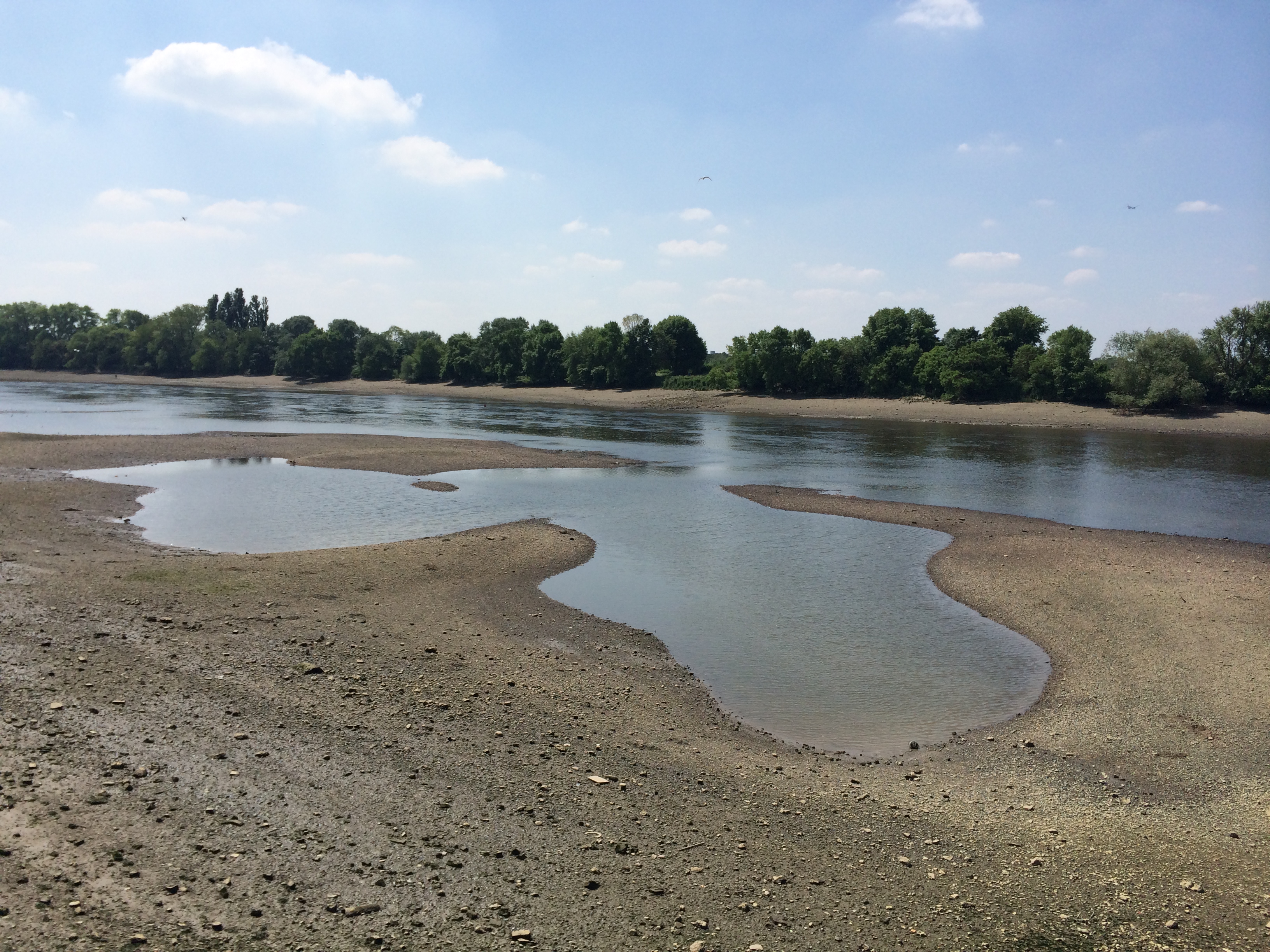
Beautiful day on the Thames. These shots are taken from Fulham, looking towards Hammersmith, at low tide.

If you look background centre by the little red crane, you can see the Wembley stadium arch, some miles away.

IMG_0734


IMG_0736

Posted in Photos - lovelondonscenes | Tagged , , , , | 2 Comments

Morrissey – the Autobiography

Morrissey_Autobiography_cover

I’ve just finished reading Morrissey’s “Autobigraphy”.  And an excellent read it is too. It’s written in a discursive, sometimes quite poetic style. There are no chapters – just a long narrative, which is mostly chronological. There is a lot of settling of old scores, sometimes with a witty quip, other times, particularly over the court case about Smiths’ royalties, with pages of vituperation. But it is also a tale of love. The love of music.

Morrissey’s private life is fairly closely guarded. There are some hints of relationships, in one case a bit more, but you build a picture from the fragments, the observations, the recollections of places he stayed, people he encountered, the music he played.

And yes, it is, ultimately, all about the music. Its redemptive, liberating power. The discovery of the New York Dolls, Patti Smith and the Ramones and others, as a teenager. Life savers. And above all, the utter transformation when Morrissey hooked up with a local Manchester musician, Billy Duffy, and sang with a band for the first time:

Against the command of everyone I had ever known, I sing! My mouth meets the microphone and the tremolo quaver eats the room with acceptable pitch and…I am removed from the lifelong definition of others, and their opinions matter no more. I am singing the truth by myself, which might also be the truth of others… and give me a whole life… let the voice speak up for once and for all…

What a powerful expression of what making music can do! And in those words I think you see the essence of Morrissey’s enduring appeal. Forever the outsider – and so many people feel they are outsiders – but… I am singing the truth for myself, which might also be the truth for others...

Billy Duffy also introduced Morrissey to Johnny Marr. The rest is history…

The book is at its best, for me, in the first 150 pages, as Morrissey details his rather – or should I say, utterly? – miserable childhood. The dreadful schools, the grim jobs he was faced with, his inability to relate to all but a few fellow outsiders, mavericks. And yet also his loving extended Irish family. He had a safety net of love and companionship. This is a complex story – it’s not all bad.

He is undoubtedly a difficult person, and, in fairness, he recognises that. He is self-deprecating and amusing about his capacity to alienate. Self-awareness is in strong supply.

One of the interesting things in the book for me, is his description of his successful concerts as a solo artist. I don’t think we have ever realised this in this country. Naturally, Morrissey blames the media for this – for its lack of interest. It is hard to disagree, as he details the rapture, the near-riots, the idolisation. America, Mexico, Italy, Scandinavia… in the the latter his audience seems to get younger as he gets older.

He gets to meet many of those artists he idolised as a teenager. He helps to revive the fortunes of the New York Dolls – those still alive – but doesn’t get much gratitude for it. He’s relaxed about that – what else to expect?  David Bowie flits in and out of the story. There’s a moment of true joy as Bowie records one of Morrissey’s songs and plays it to him:

The sound coming from the speakers is the gift of life, and nothing will keep me level after David’s bestowal. Here is the unimaginable culmination of a mad process that began for me sometime in 1970 as On The Buses chirped annoyingly in the background.

Every young artist’s dream? And I love the way he offsets that moment of  fulfilment with a reference to a humdrum ITV comedy, which everyone watched at the time, in the days when we had three channels to choose from. Classic Morrissey, reaching for the stars, but rooted in the quotidian, in the dank streets of seventies Manchester. Always.

The autobiography does not feature much in the way of happiness – after all, one of The Smiths’ best tunes was Heaven Knows I’m Miserable Now – but by the end there is a sense of real achievement, something close to contentment. And, credit to the book, to Morrissey’s writing, I feel really pleased for him. I want him to be happy!

Not only that: it has sent me back to his records. The brilliance of The Smiths, but also the depth of his solo catalogue, which I have rather dipped in and out of, over the years.

It has made me feel that I need to reappraise that music that I have neglected, as well as rejoicing in the sounds I have always loved.

And that, surely, tells you what a good book it is. An honest, heartfelt, exciting, moving, funny, vicious, insightful, intriguing story. Written with style, wit and emotion.

I read the book on my tube journeys to and from work. I looked forward to the next instalment every day. I was sorry when it came to the end.

What better recommendation can I make?

Posted in Art, books, theatre, cinema, Music - concerts, lists, reflections | Tagged , , , , | 8 Comments

Paris in black and white

We – the family –  had a few days in Paris just after Easter. We did some of the traditional things and walked around a lot; the girls did some shopping. Photos were taken.  I’ve done Paris before on the blog – see A Paris Juin 2012 So here I’ll just share a few in black and white. A couple of clicks on iPhotos. It feels like a very French thing to do!

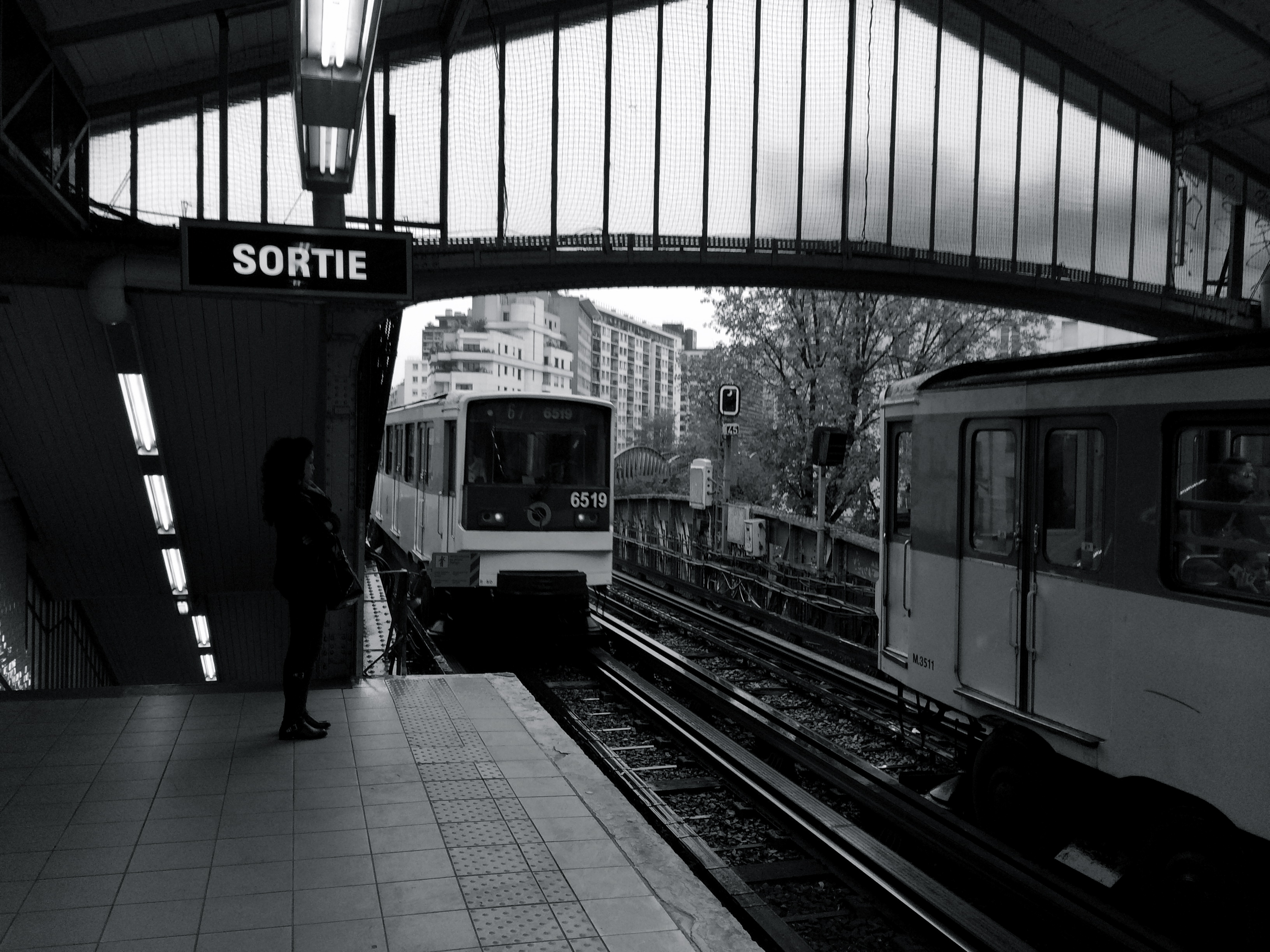
I like Line 6 of the Metro, which runs from Charles de Gaulle – Etoile to Nation. It passes close to the Eiffel Tower, but the attraction is that parts of the line hover over the roads, elevated rather than underground. I love just looking out at the buildings around you, two floors or so up.

This is Dupleix station, not far from the Eiffel Tower, though not the nearest.

IMG_0596

This is a shot from the Square Cambronne. There’s a station called Cambronne nearby.

IMG_0654

Still on Line 6, this is Place D’Italie. We are in south east, but still reasonably central Paris here. I got off here and then walked back to the Marais, where we were staying, via the Rue Mouffetard and the Left Bank. It was pouring with rain, but still fun – remembering old haunts when I lived in Paris in 1989-91.

IMG_0598

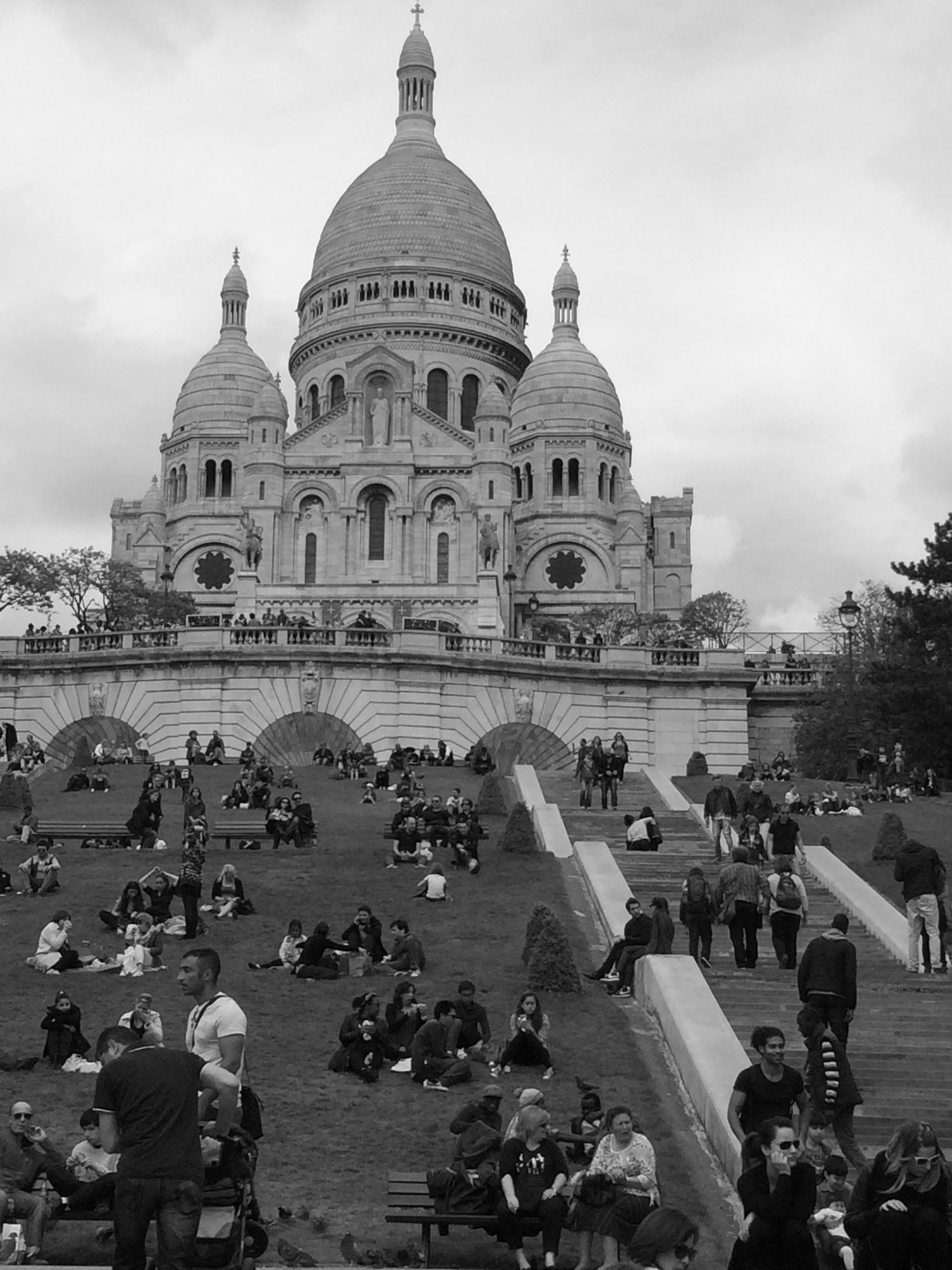
My son, Kieran, and I took the tourist trail to Sacre Coeur in Montmartre. On the way up from metro Barbes Rochechouart, it was striking how many dodgy geezers on the streets there were, trying to sell mobile phones – presumably stolen. A change from last time I was in the area.

IMG_0622

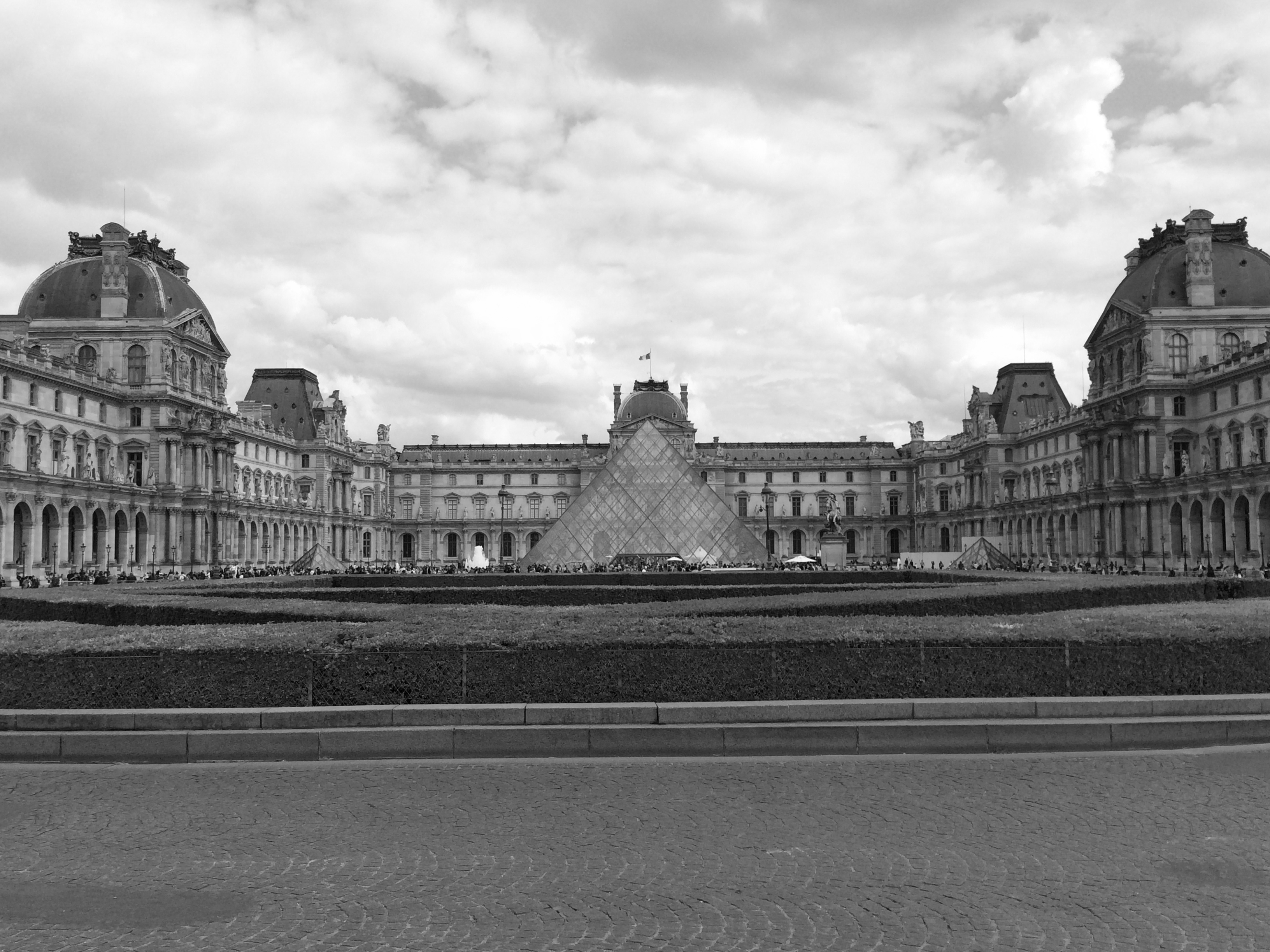
OK, simple one: the Pyramid in front of the Louvre.

IMG_0629

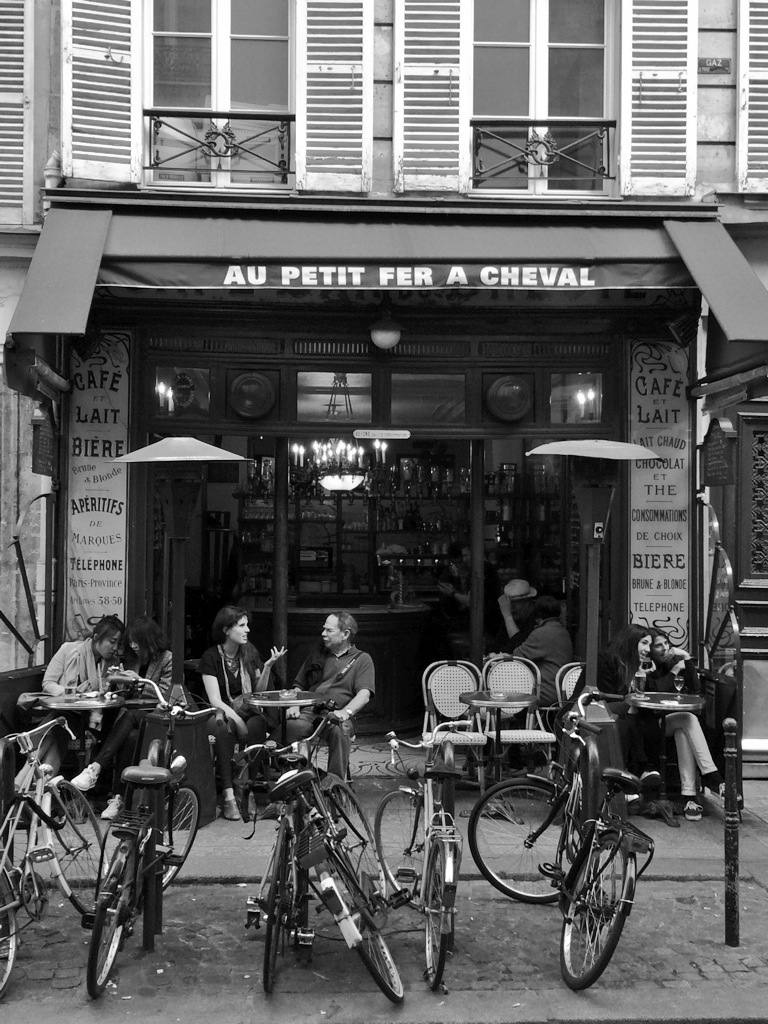
One of my favourite bars in the Marais. Spent part of my stag do in 1990 there, on the street. So good to see it’s still there. Rue Vieille du Temple.

IMG_0640

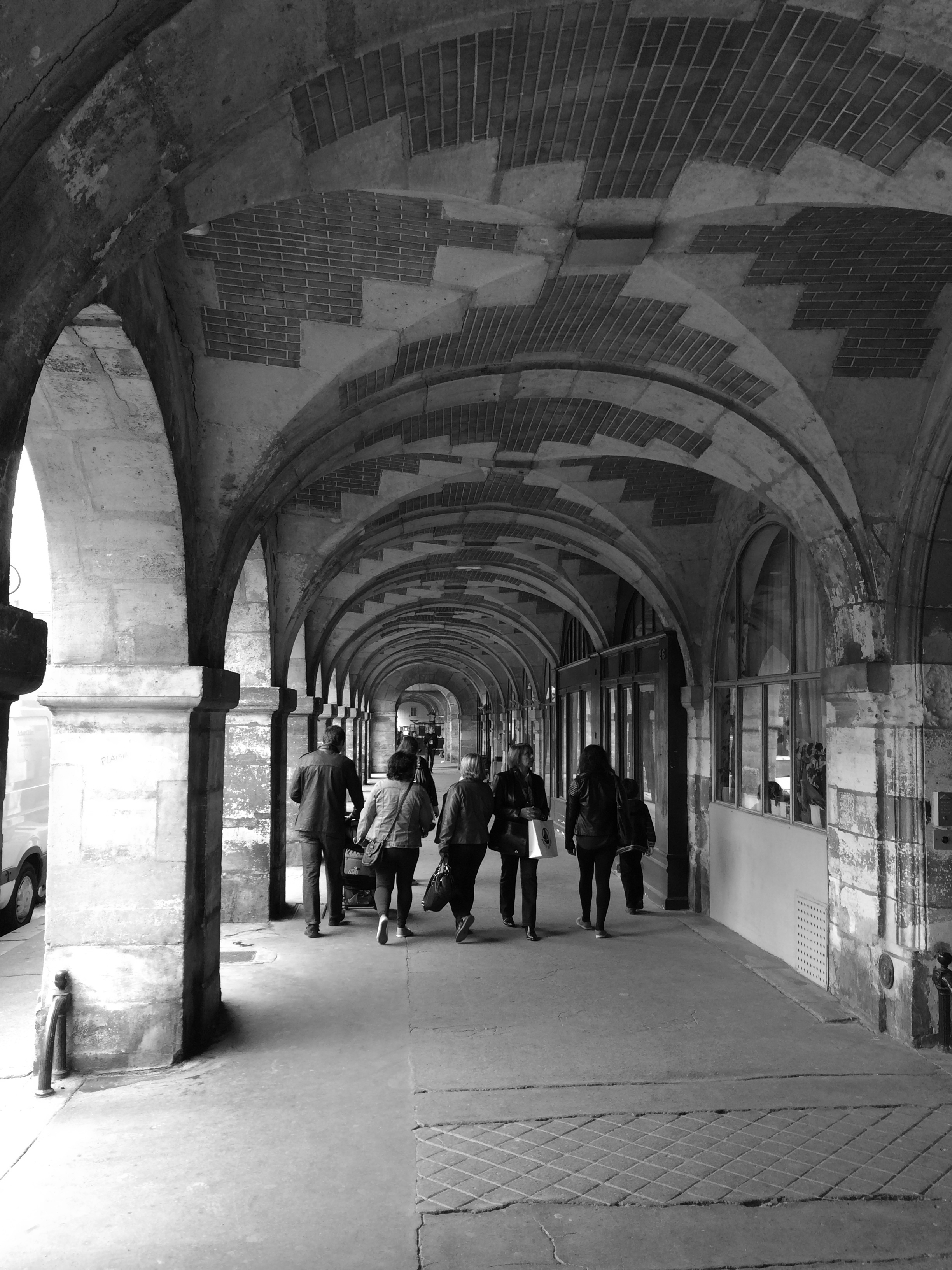
Place des Vosges. Wonderful part of the Marais.

IMG_0643

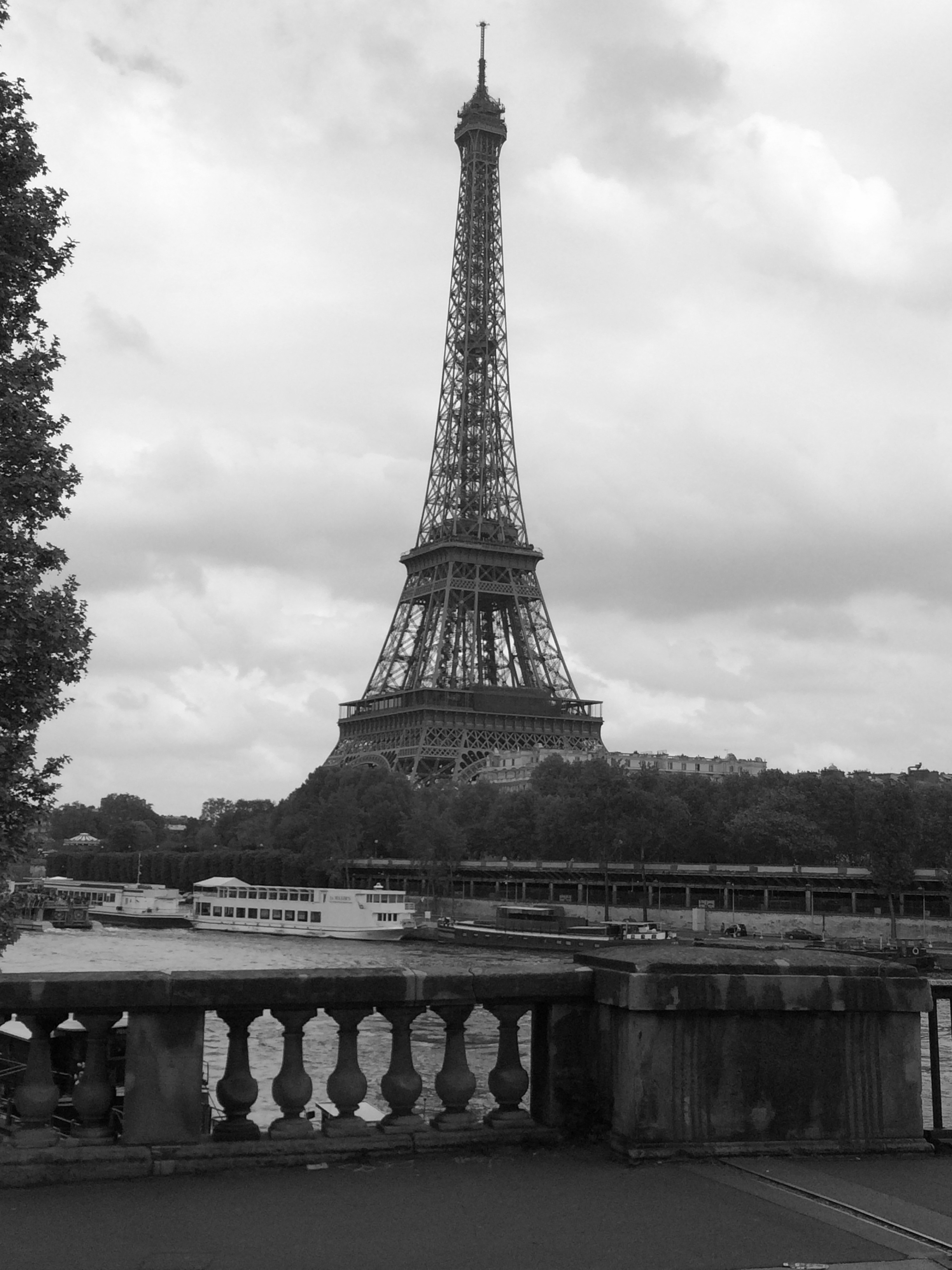
Tour Eiffel from the Bir Hakeim Bridge.

IMG_0666

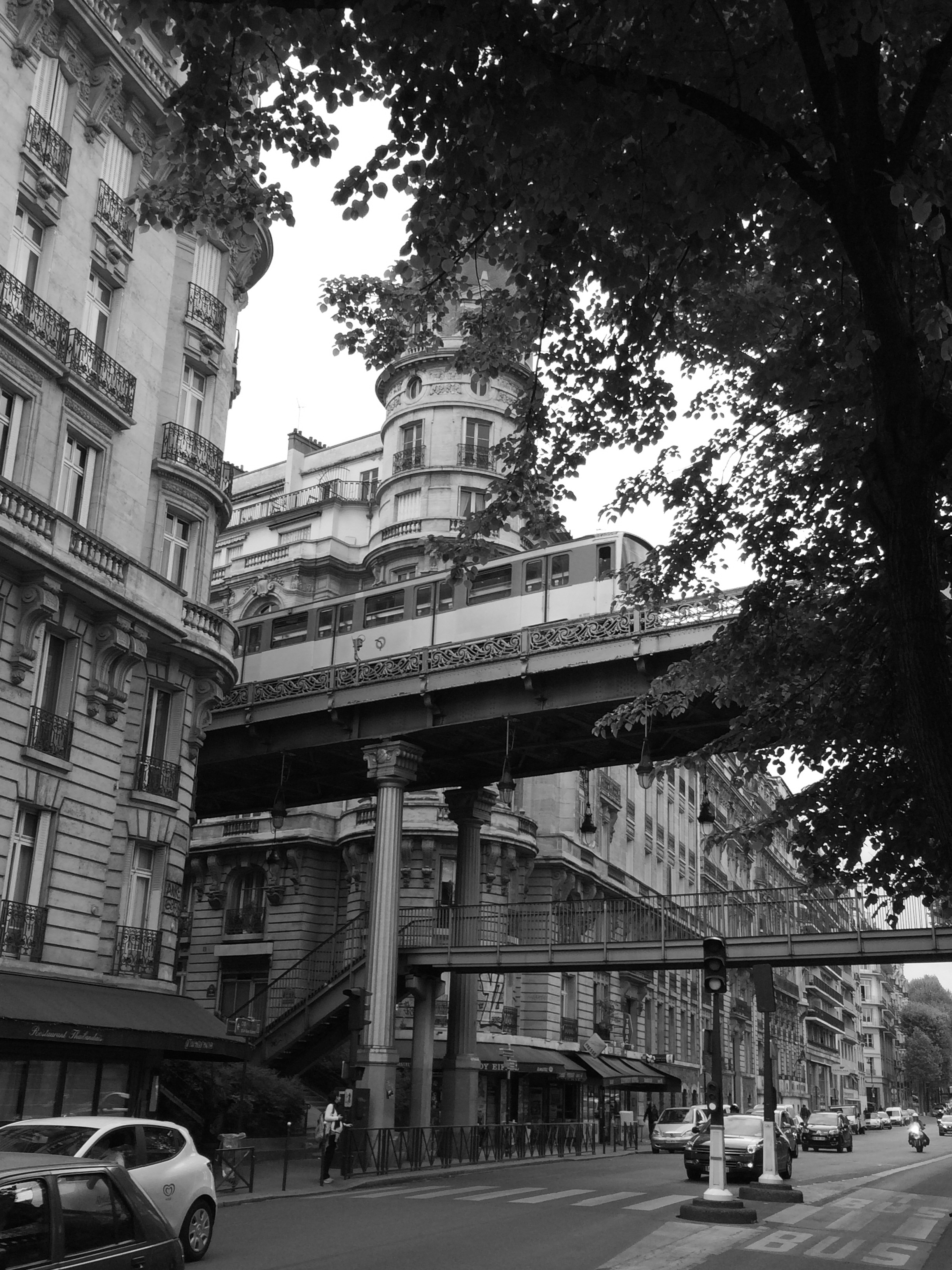
And just off Bir Hakeim, in Passy, Line 6 again.

IMG_0681

Tour Eiffel, from the Paris Architecture Museum in Trocadero.

IMG_0695


Posted in Photos | Tagged , , , , , | 4 Comments

Sportsthoughts (101) – Parking the Bus

double-decker_1215733cJosé Mourinho celebrates Chelsea's 2-0 victory over Liverpool in the Premier League

On Sunday afternoon Chelsea went to Liverpool and blew the Premier League title chase wide open again. It could have been Liverpool’s coronation had they won their twelfth game in a row. Instead Chelsea, with a weakened, but not weak, team, won 2-0 and played themselves back into the hunt, after the inexplicable loss at home to Sunderland the weekend before. More to the point, it puts Man City in the driving seat again, after their assured victory at Crystal Palace. They are the latest team who will win the League if they win their remaining games (though the maths is currently based on their superior goal difference).

It was a masterful tactical performance by Chelsea. Their defence and midfield sat deep, denying the Liverpool speedsters the room they’d had in earlier victories, notably over Arsenal. Liverpool manager, Brendan Rodgers, compounded the problem by playing the star of the moment, Raheem Sterling, wide right. Presumably this was to put pressure on Ashley Cole, Chelsea’s left back, who hasn’t been selected for many games this year. It didn’t work. Cole was as assured as ever and Liverpool missed Sterling’s movement and passing at the tip of the midfield diamond. He moved inside in the second half, but too late. The die was cast, Chelsea’s confidence boosted by a late first half goal by Demba Ba, after a catastrophic slip by Steven Gerrard, of all people.

Liverpool continued to retain most of the possession in the second half. At the end of the game the stats showed that they had 72%, against Chelsea’s 28%. And yet they had few clear chances on goal, and Chelsea always looked dangerous on the break. Steven Gerrard, distraught at his earlier mistake, lost his head a bit, and tried to win the game with a succession of hopeful long shots. Luis Suarez, starved of space and without the usual fleet-footed support of Sturridge for much of the game, had a quiet match. And Chelsea, cruelly, rubbed it in at the last, as Willian pounced on a misplaced pass, put Torres through, and then gratefully received the return pass for a simple tap in. 2-0. Fortress Anfield breached by the team always the most likely to.

Afterwards the reaction was predictably hysterical. Brendan Rodgers complained, with maybe a bit of tongue-in-cheek, of Chelsea parking two buses in front of goal. That has prompted an absurd debate on the airwaves and in the papers about whether Chelsea, marshalled by the master of the managerial dark arts, Jose Mourinho, are bad for football. Of course they played deep against Liverpool! That’s the Liverpool who have won eleven games on the trot, ripping teams apart by getting behind their defensive lines with their pace and razor-sharp passing. Man City, Arsenal, Man Utd, Tottenham, included. The lesson, at this point in the season, was surely that Liverpool couldn’t be outdone at their own game, that in a trade for goals, they’d come out on top. So yes, Mourinho parked a bus, or even two. But his side also knew when to break, to pounce, and did it ruthlessly.

After watching Saracen’s defensive brilliance in the Heineken Cup semi final against Clermont on Saturday (see my Sportsthoughts 100) this was another master class. Of course we all love the marauding attacking games of Liverpool, Man City and Arsenal at their best. But football is also about defending, and usually the team with the strongest defence – or close to it – wins the League. If Liverpool do win it this season – and I hope they do – it will be contrary to the norm, for their defending has been pretty flaky at times.

So no, Chelsea aren’t bad for football. They are part of the rich tapestry. Mourinho is a genius, but not evil. Pragmatic, unromantic, yes. But clever, imaginative, strategic and great value for the media. One of the great characters. As someone asked on Twitter yesterday, who wouldn’t want Mourinho managing their club? If they were really, really honest? Even Arsenal fans. In fact, especially Arsenal fans.

Of course he is sometimes a hypocrite. When West Ham parked their rather rickety bus at Stamford Bridge a couple of months ago and eked out a 0-0 draw (which set them off on the revival that saved the season) Mourinho accused them of playing “19th century football”. A memorable insult, if historically inaccurate, as teams played with seven or eight attackers in those days. The difference was that West Ham’s ambition was the 0-0, whereas Chelsea were lying in wait yesterday, ready to break, to win the game on the counter. As they did.

So hail the mighty Jose. Good luck against Atletico Madrid on Wednesday in the second leg of the Champions League semi final. 0-0 after the first leg in Spain, where the proverbial autobus was also in evidence.

And hail Brendan Rodgers too, for transforming Liverpool into the most exciting team in the Premier League. If there is justice in this footballing world, they will be English champions this season.


(Both photos from Google Images. Jose Mourinho, via the Guardian, photographer Paul McFegan/Sportsphoto Ltd/Allstar)

Posted in Sportsthoughts | Tagged , , , , , , | 8 Comments

Sportsthoughts (100) – Awesome Saracens crush Clermont

My 100th Sportsthoughts. Appropriate that it celebrates a truly outstanding sporting feat. Heineken Cup semi final at Twickenham. England’s best club team at the moment, Saracens, against the mighty Clermont Auvergne, up there with Toulon and Toulouse as the best of the French. Clermont regarded as favourites, with just a hint of doubt about their away form (although they beat Quins 16-13 in a hard-fought game in the group stage at the Stoop.)

Score: Saracens 46 Clermont 6. Whaaat happened?

Before I say something about the game, let me say how unreal this feels to be writing a blog in praise of Sarries. It would be the same as lauding Chelsea in the football. The big spenders (how they manage within the salary cap I don’t know). Poached a couple of Quins’ players in recent years: David Strettle and James Johnston. Fans have become newly arrogant, though there still aren’t that many of them. I had intended to write about Quins’ 24-20 victory over Leicester at the Stoop the Friday before last. Two comebacks required, fantastic atmosphere, keeps us in the hunt – just – for a top four place in the Premiership. But I had a busy weekend and then went off to Paris for a few days. The moment for a blog passed. Hard life!

So over to the semi final. The first half was close-fought and featured some unbelievably aggressive defending by Saracens. Their tackle count was amazing and was the result of the linespeed of the defending lines. With flanker Jacques Burger, Namibian behemoth, to the fore. The speed at which he launched into the Clermont attackers, with no regard at all for his own safety, was frightening. He deservedly won the Man Of The Match award, although there were plenty of other contenders.

But the first half also featured three – maybe four – big decisions, by referee Nigel Owens, which all went Sarries’ way. He is one of the best refs, and I’m not suggesting bias in any way, although I imagine the French media will have a field day. Sarries’ first try was beautifully crafted, with England reject Chris Ashton going through. A hint of the forward pass during the move, but no-one seemed to make much of a fuss about that.

_74463057_486847875

Next was more controversial, as Owens awarded a penalty try to Saracens, having judged that Aussie Brock James, the Clermont fly half, had deliberately knocked the ball away in a challenge with the Sarries’ Argentinian centre Marcelo Bosch inside the Clermont try zone. Fair enough to give a penalty and yellow card to James. But the penalty try, when it wasn’t at all clear who might have scored, was harsh.

Clermont then started to put on the pressure. They scored what looked like a beautifully-worked try after a lineout ploy. It was disallowed for alleged blocking by a Clermont player on a Saracens defender. It looked marginal to me. On another day, the benefit of the doubt might have been given to Clermont.

Then, after a general melee, Sarries’ Owen Farrell emerged in space, having looked like he’d knocked the ball on, and ran through unchallenged for a try. Replays did show that the ball had hit his knee rather than hands when going forward, but again, on another day…

It meant that Saracens were 24-6 up at half time.

What would Clermont do to get back into the game? The answer was very little. There was a period of stalemate and then Sarries started to break through. Clermont lost hope and shape. Chris Ashton emerged as one of Sarries’ heroes, scoring two tries and and making another with a superb break and long pass. Andy Goode was excellent as full back, and points kicker on the day, as Owen Farrell had a bruised foot – not that you would have noticed, given the excellence of his general play. There were awesome defensive displays by hooker Schalk Brits, captain and second row Steve Borthwick and centre Brad Barritt, amongst others.

Essentially, Saracens blasted the Clermont pressure with fierce tackling, benefited from a couple of refereeing decisions, soaked up a bit more pressure and then let rip as Clermont’s morale wilted. It was an incredibly impressive display of rugby. Sky’s co-commentator Stuart Barnes – prone to hyperbole, but also speaking from experience as an international player – deemed it the finest club performance he had seen.

That will no doubt be disputed, especially by the Saracens-haters. The refereeing decisions will no doubt take centre stage in the reports on the game.

But while I don’t feel qualified to rank the performance against others, I will say that it was an amazing performance by Saracens – and let us not forget that it was against a normally outstanding French team.

Saracens will face either Toulon or Ireland’s Munster in the final in Cardiff. I will be rooting for Sarries, notwithstanding my normal dislike of the team, as a Quins fan. Rooting for the English boys and admiring their international colleagues. Even, and maybe especially, Jacques Burger…

Saracens v ASM Clermont Auvergne - Heineken Cup Semi-Final

(Both the photos here are copied from Google Images and are courtesy of Getty images)  


Posted in Sportsthoughts | Tagged , , , , , | 3 Comments

An afternoon in London with Augustines and Oasis

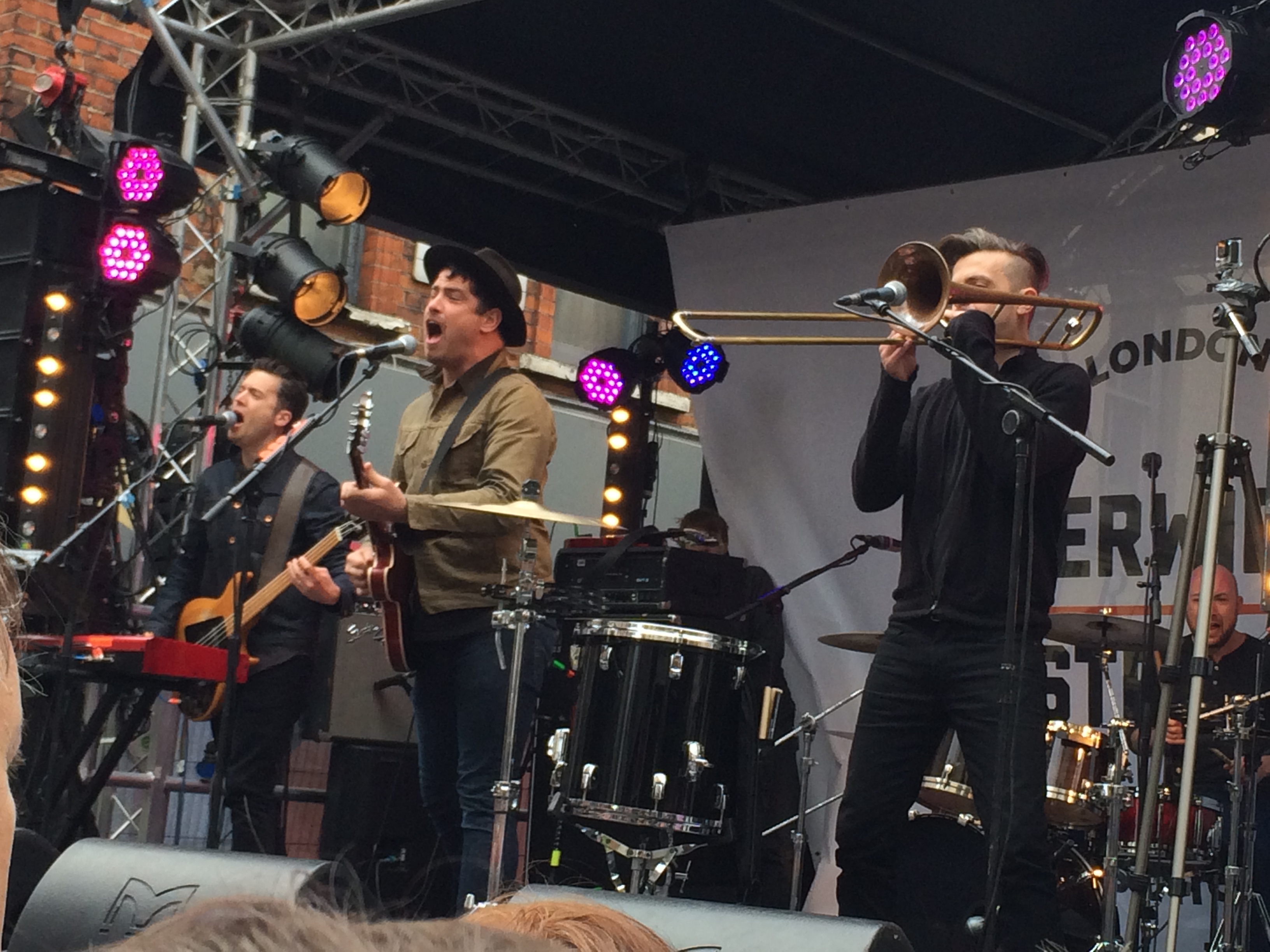
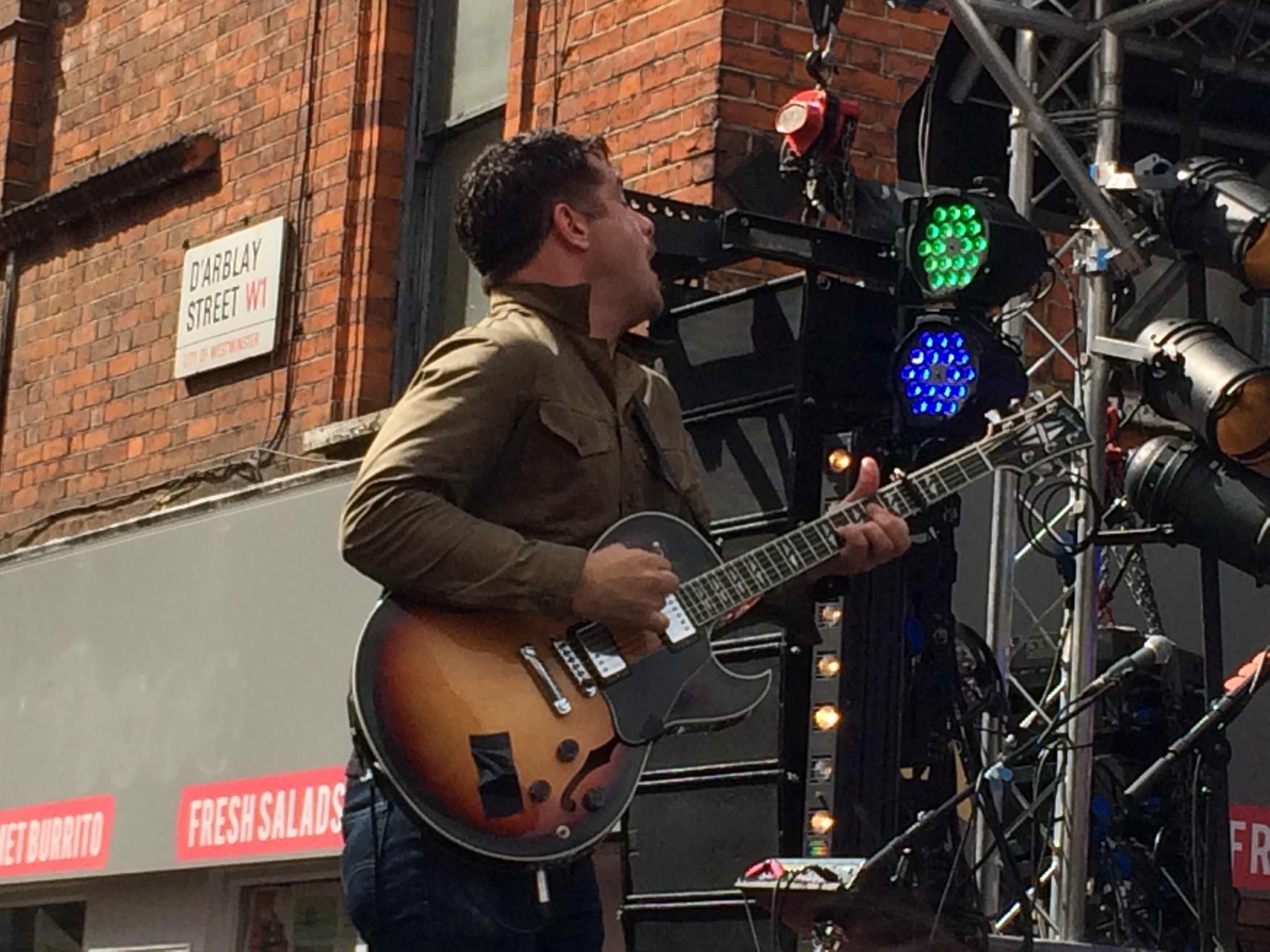
19 April 2014. I picked up a couple of things from Twitter that were happening in central London that looked liked fun. The Berwick Street festival in Soho that was celebrating  record stores and vinyl music – part of a nationwide event – and then a photo exhibition in Shoreditch, courtesy of the Londonnewcastle project, of Oasis in their early years: Chasing the Sun 1993-97.

Loved them both!

I turned up in Berwick Street in time to see the mighty Augustines. Rocking out with passion, as ever.

IMG_0412 IMG_0423 IMG_0437 IMG_0441

Then up to Shoreditch. Not my patch, as a West London boy. But interesting, overshadowed by the City.

IMG_0447

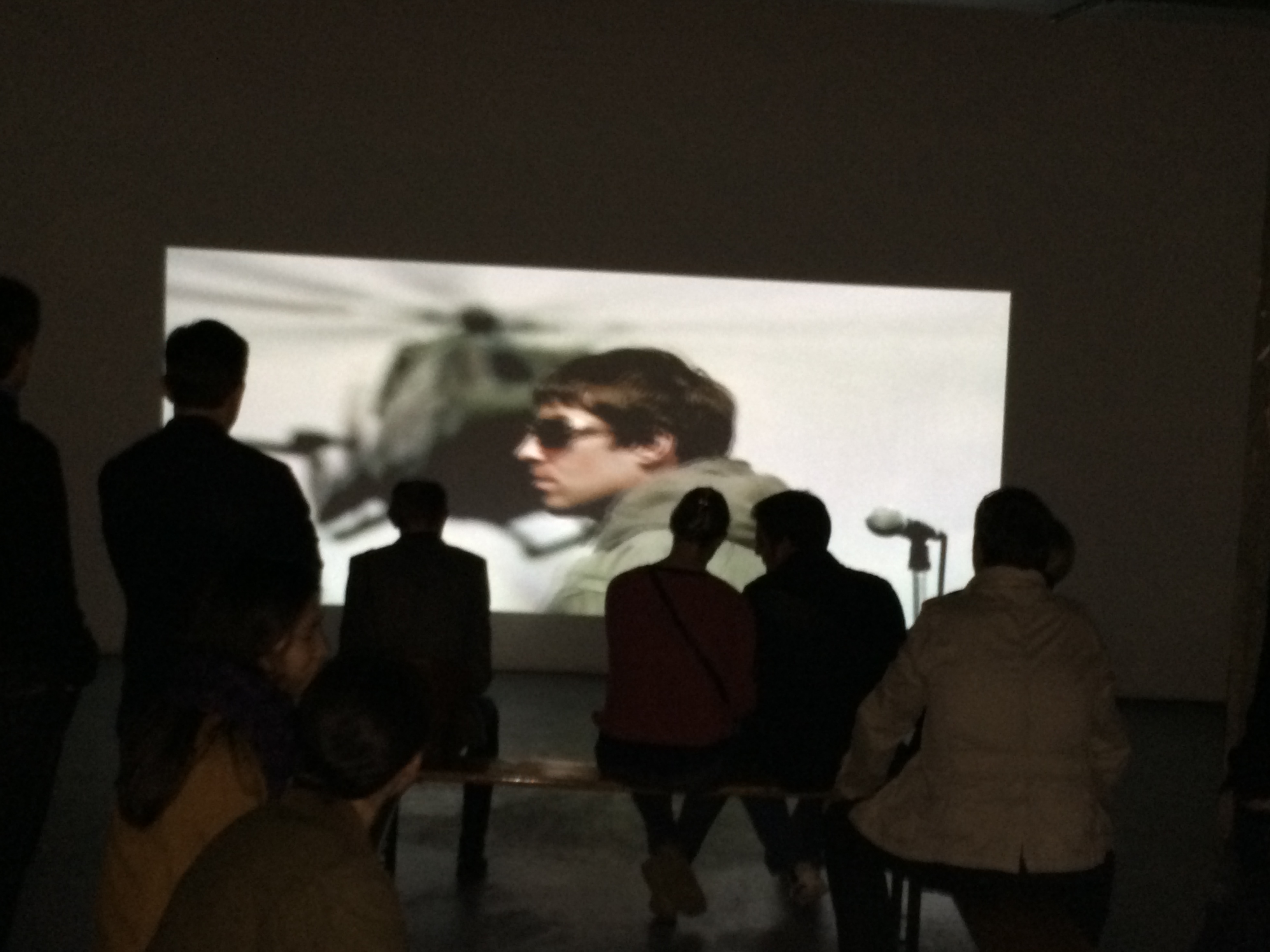
The Oasis exhibition was brilliant. Fantastic photos from the first few years. There was also a recreation of the scene for “Definitely Maybe,” Oasis’s first album. People were queuing up to take their place in that iconic scene. And there were film shots in a big room.

IMG_0478

I’m wary of reproducing too many photos of the exhibition, but here’s just one, by the great photographer Jill Furmanovsky.

IMG_0451

Here’s one of the Definitely Maybe album cover recreation. The room reproduced with loving care, including guitars. Three lads enjoying it in this shot.

IMG_0458

And the punters in the film studio.

IMG_0465

A reminder of how good Oasis were.

IMG_0476

An interesting art space too. Here’s a view from outside.

IMG_0480


Do we love London? Yes we do!


Posted in London, Music - concerts, lists, reflections | 4 Comments