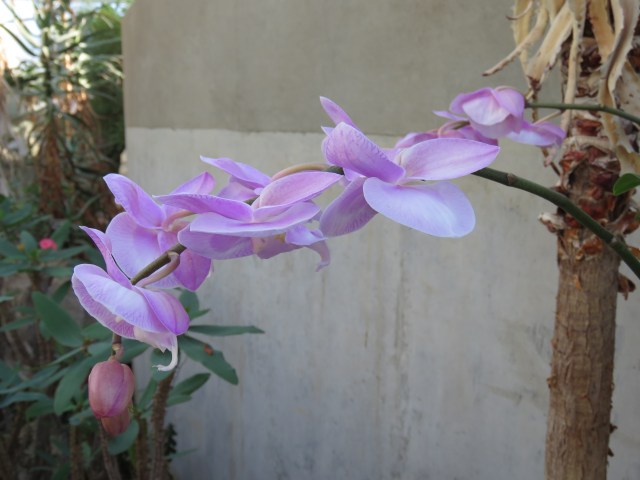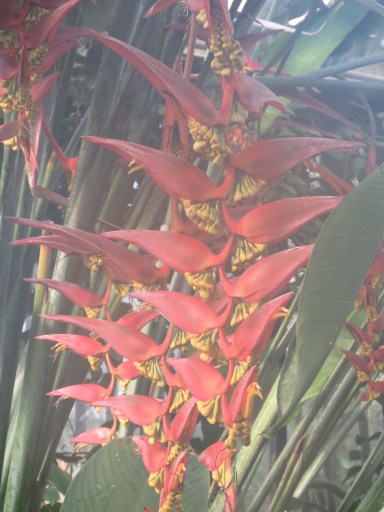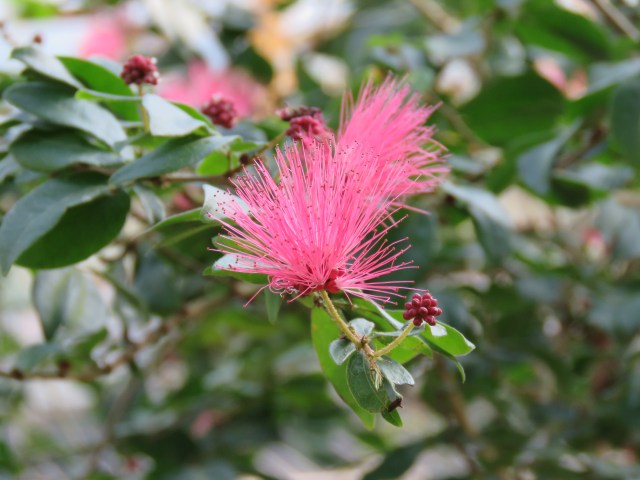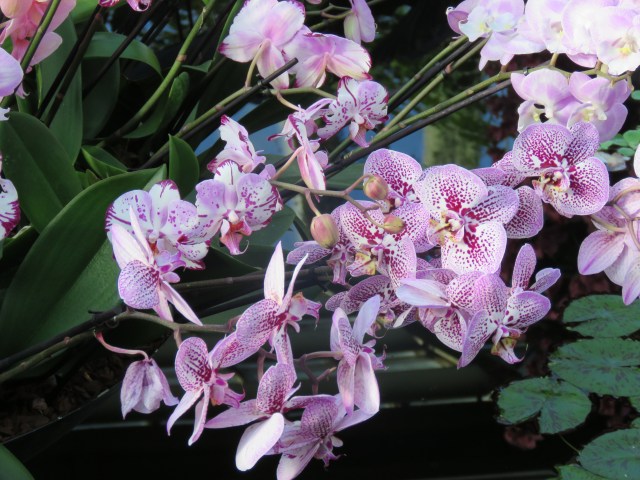
The Orchids at Kew Gardens

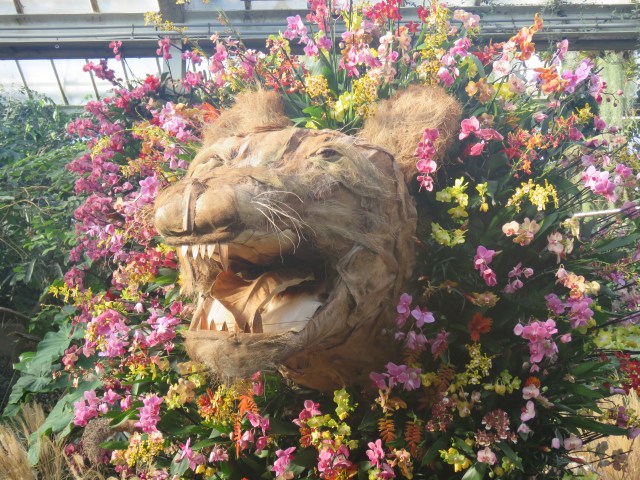
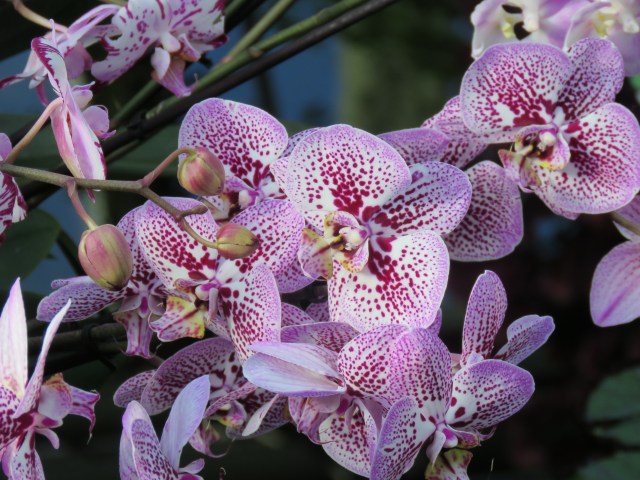
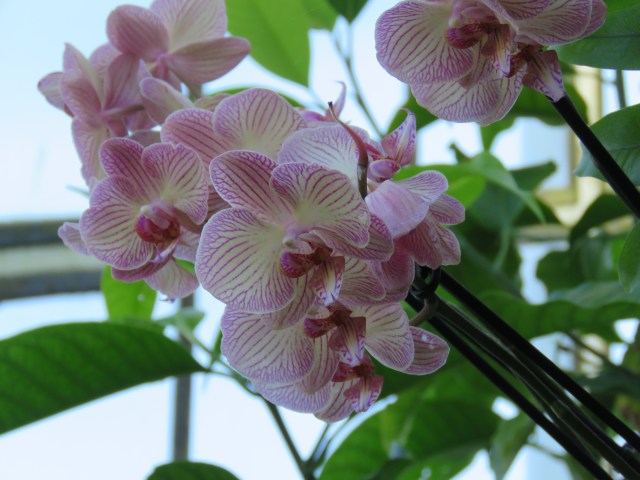
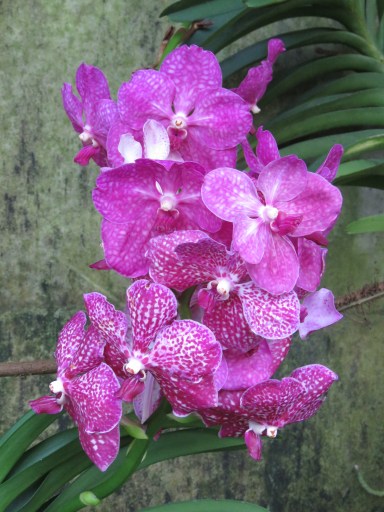
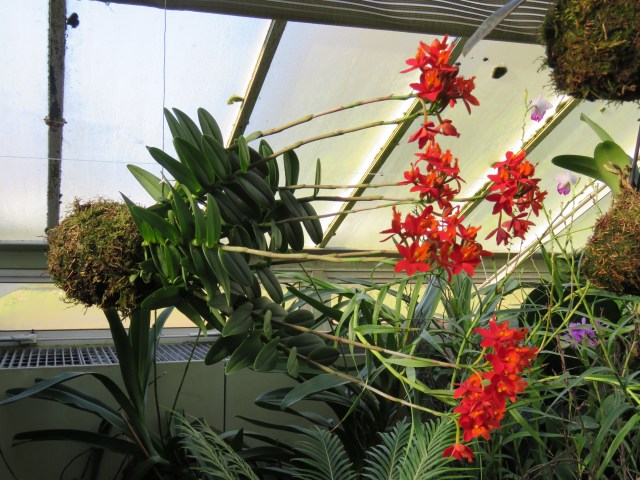
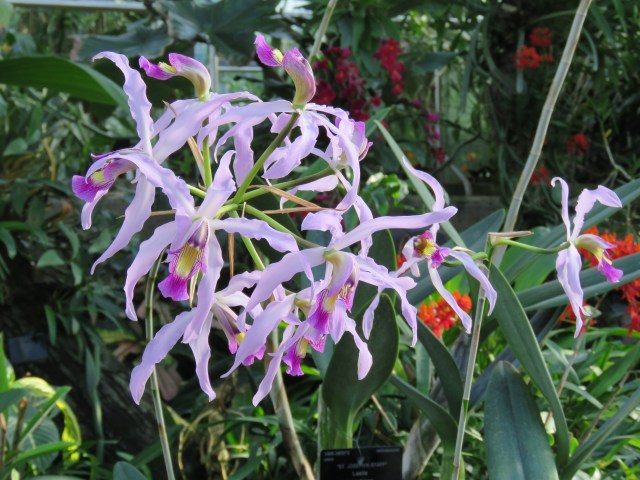
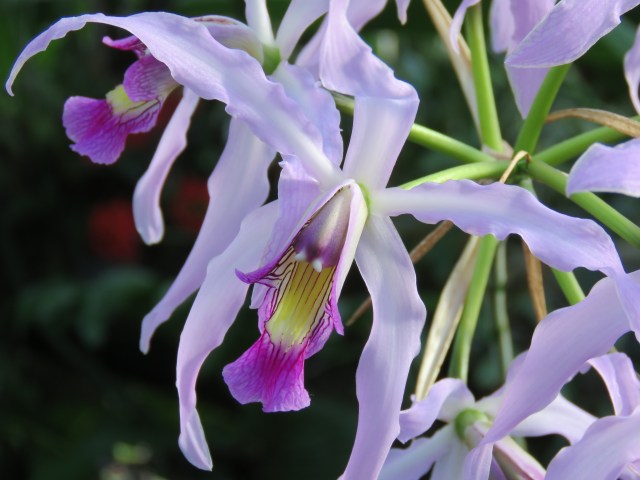
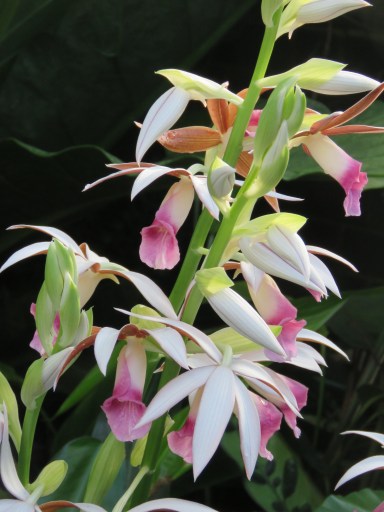
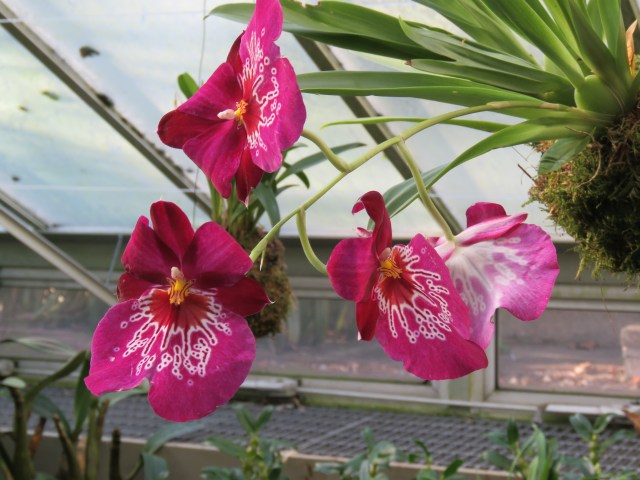
Kath and I went to Kew Gardens today to see the Orchids exhibition in the Princess of Wales Conservatory. It opened on 4 February and runs until 5 March. It’s an annual show, but it was the first time we’ve been. The plant life in the conservatory is amazing at any time, not least the cactii and the tropical gardens; but with the additions of the orchids, it was truly stunning. So many types, colours and shapes – extraordinary. This year – maybe all years, I don’t know – the focus was on the orchids of Cameroon. There are around 450 documented species in the country, and no doubt more that are unrecorded. The exhibition included some interesting information about the eco-system of Cameroon, its wildlife and society, embellished with photographs of village life. And I discovered that the name of the country is derived from the Portuguese for prawns!

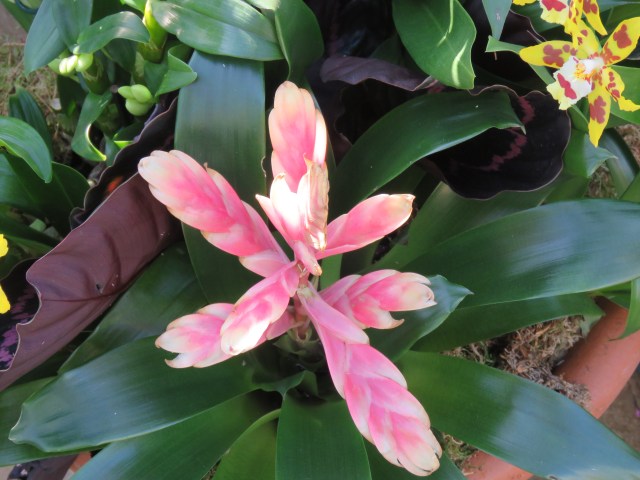
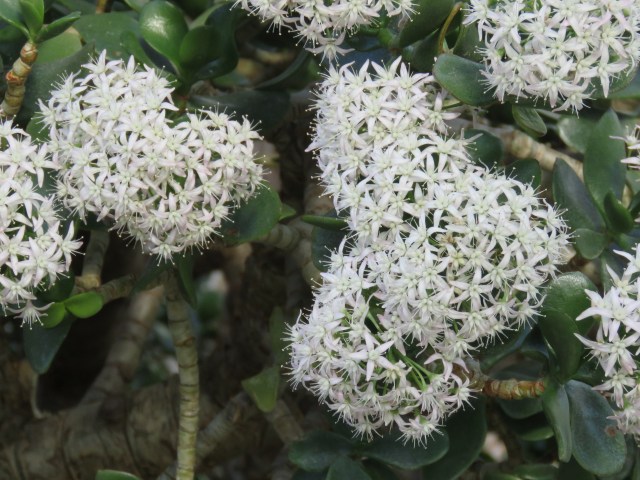
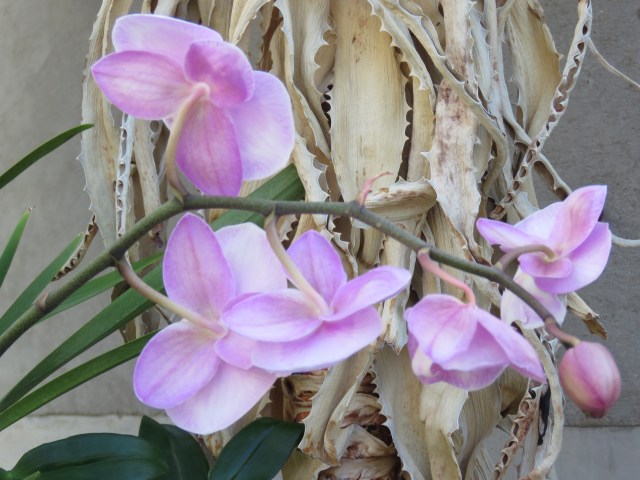
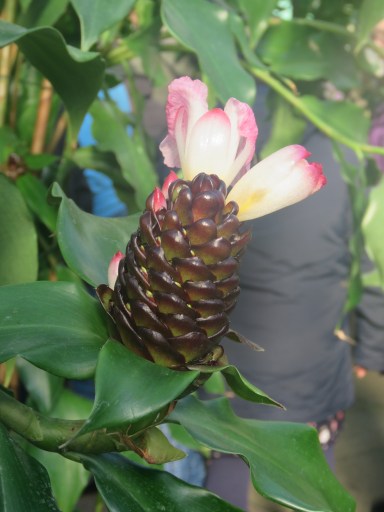
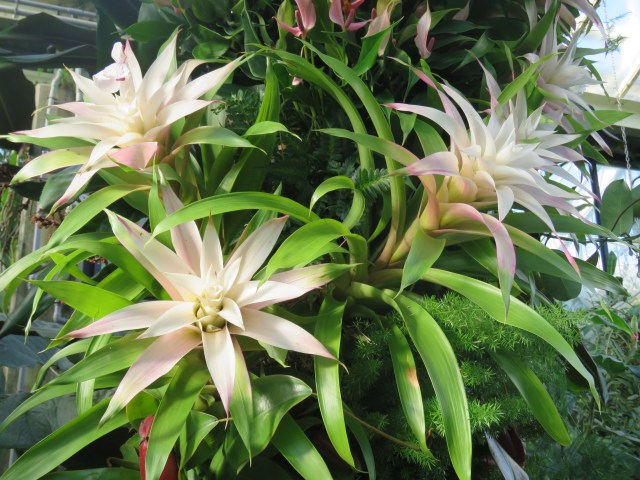
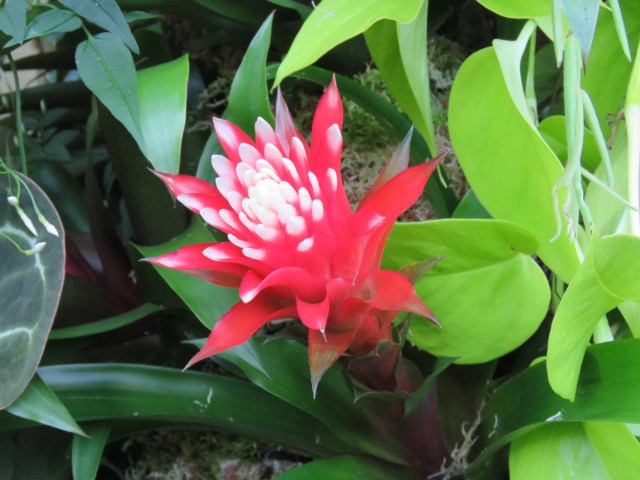
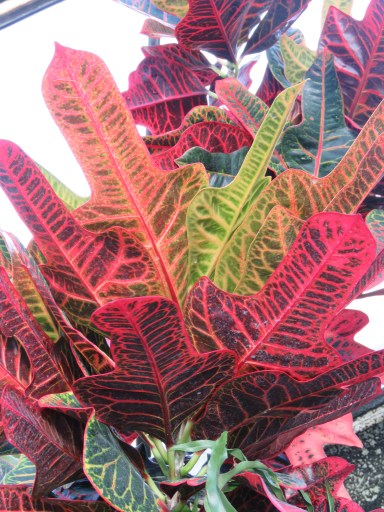
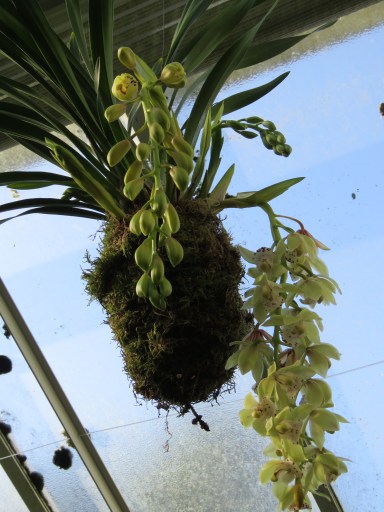
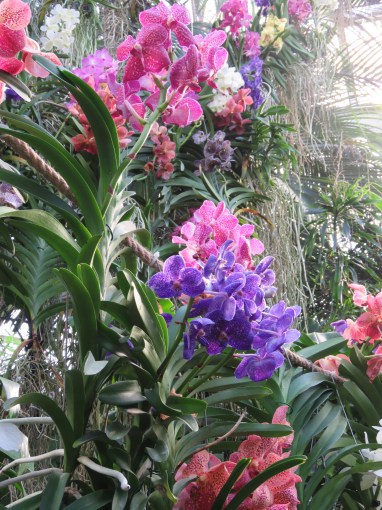
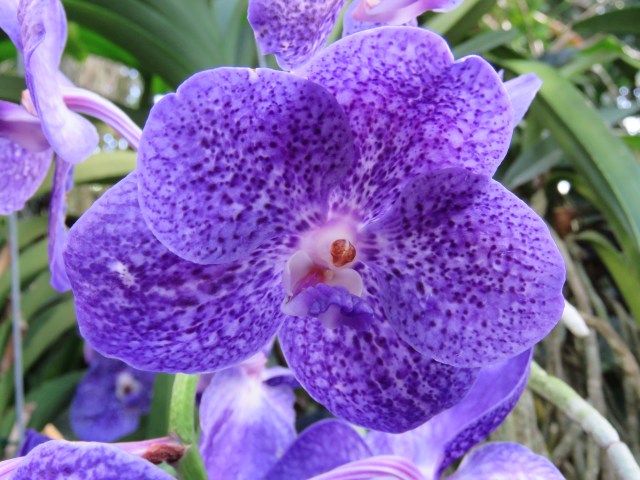
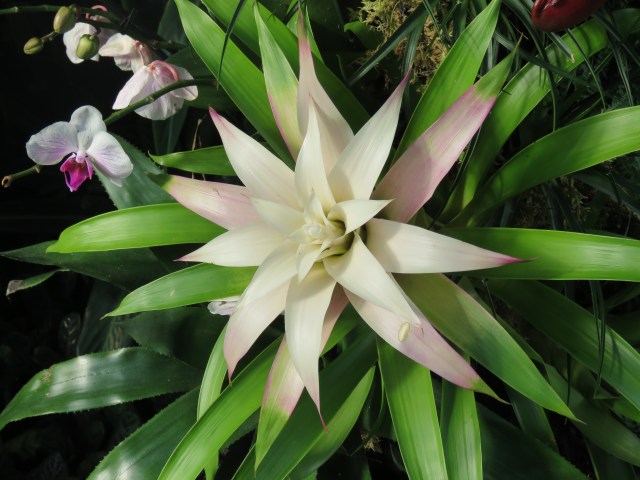
But the orchids were the stars of the moment. Here are a few of my favourite photos from the visit. One or two aren’t orchids, but I liked the colours!

My camera lens in the tropical area was steaming up, especially for this one.

Posted in London, Photos, Random stuff | Tagged , , , | 2 Comments

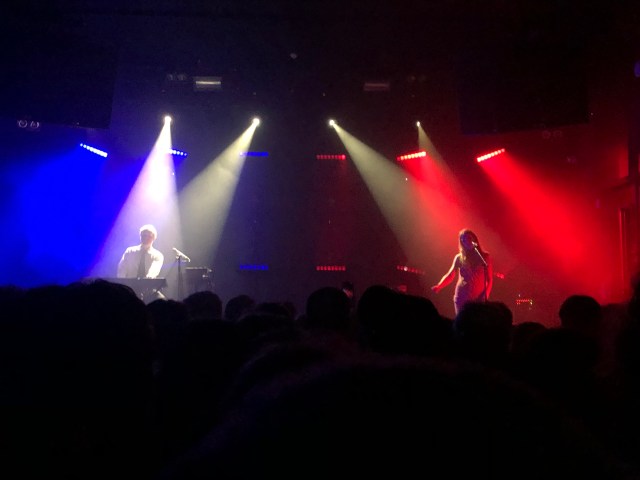
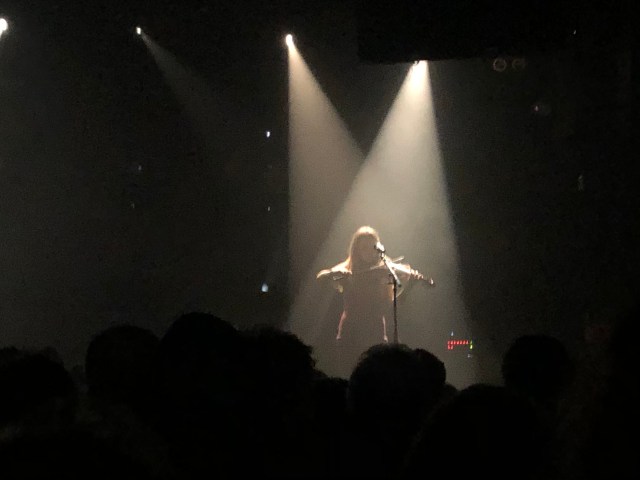
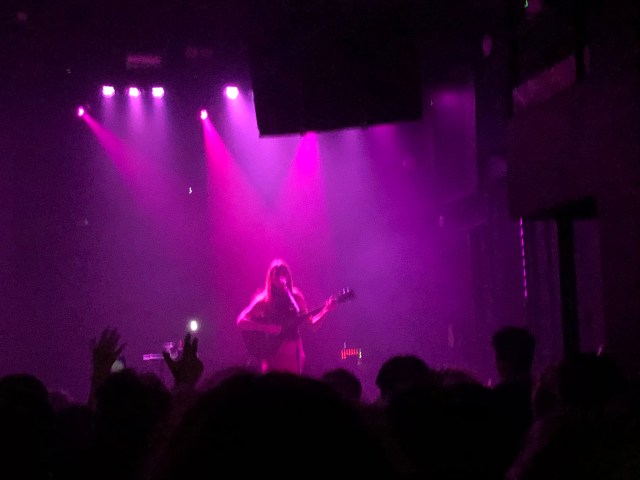
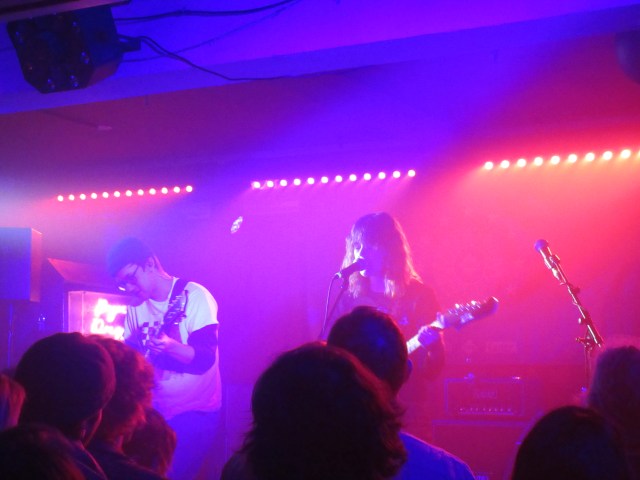
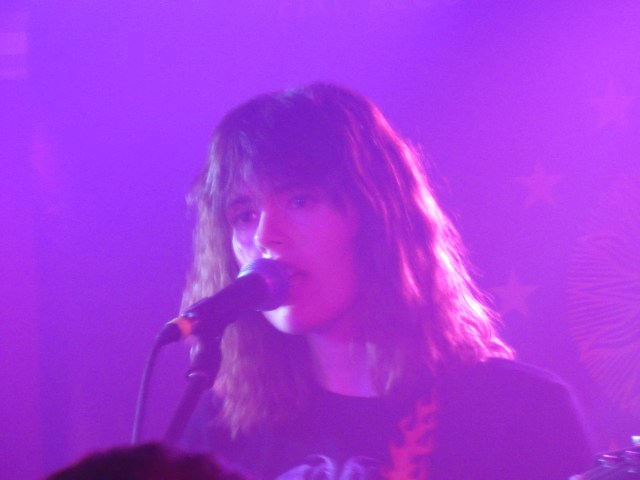
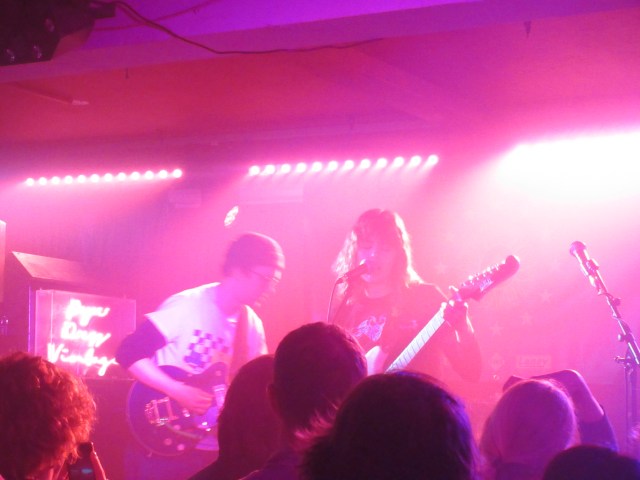
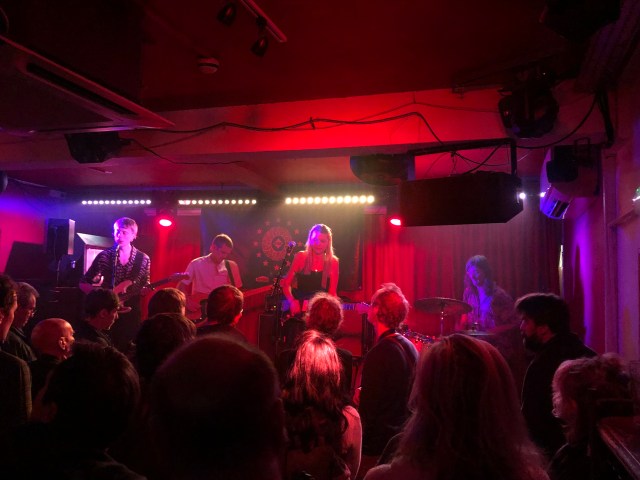
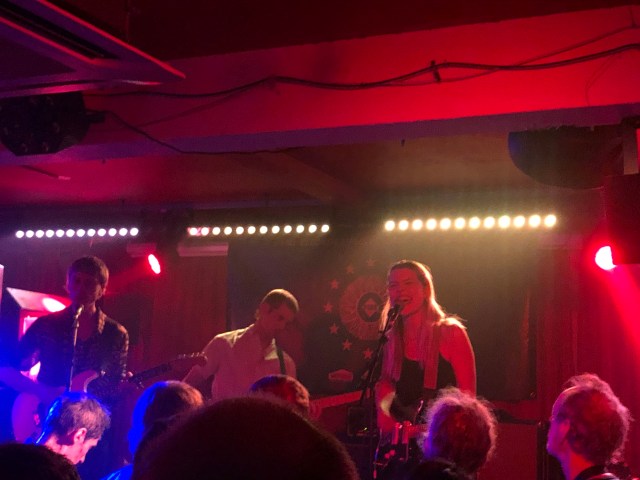
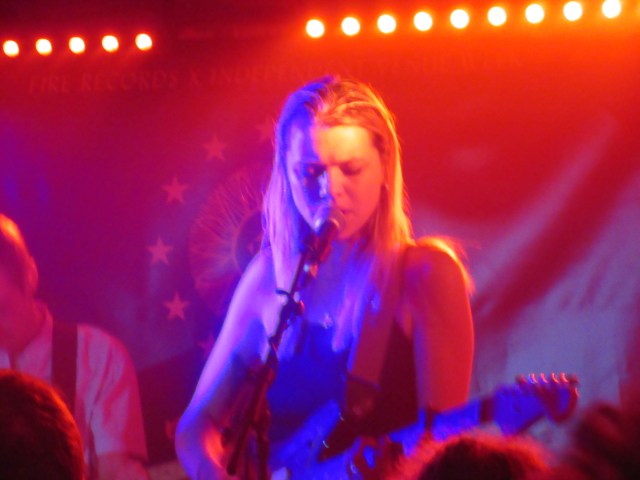
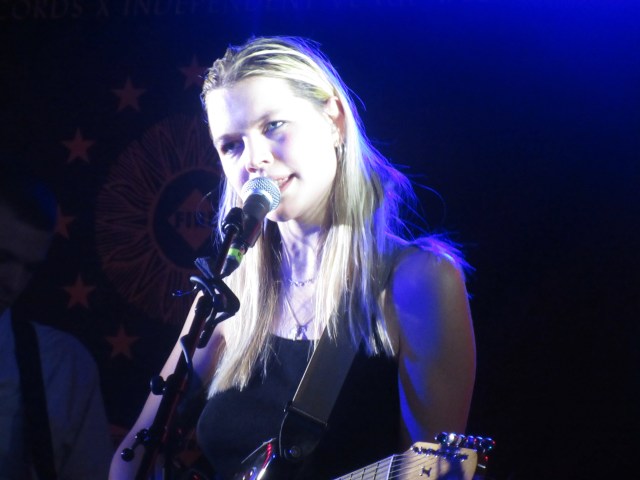
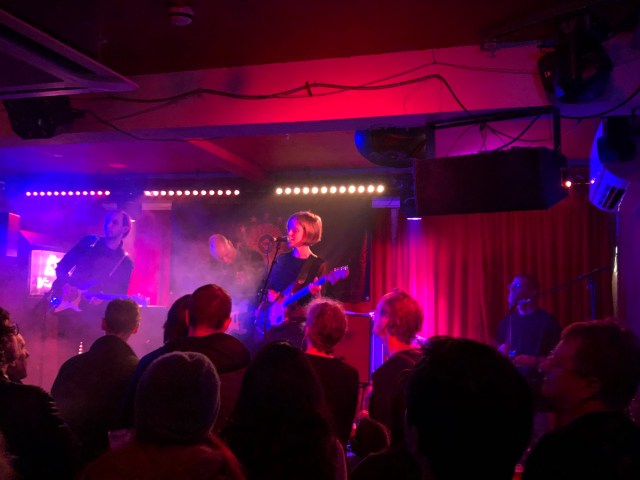
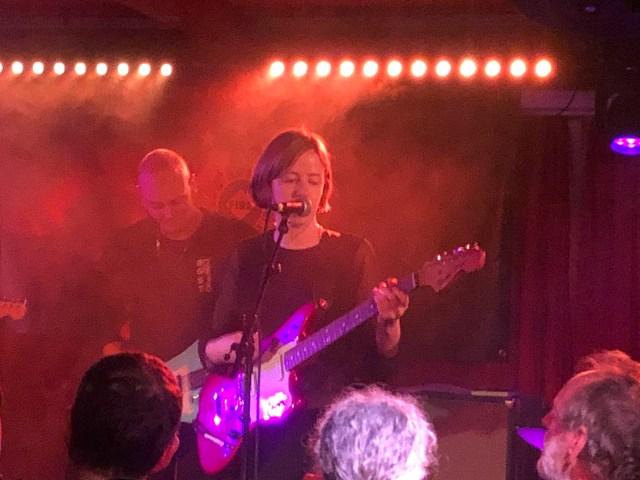
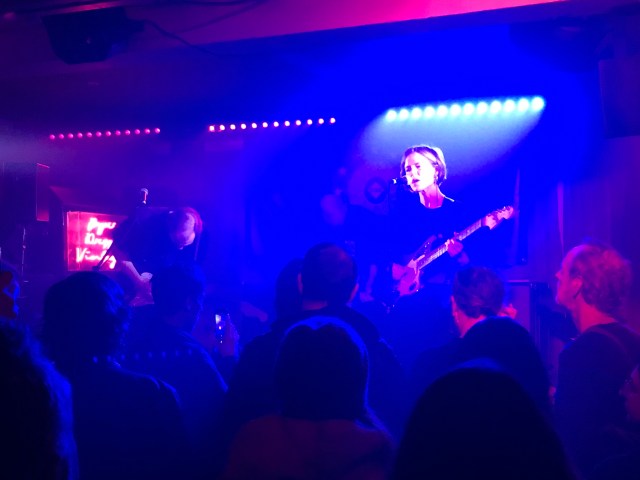
Amber Arcades, Hater and Thala at Paper Dress Vintage, Hackney, 1 February 2023

1 February and my first gig of the year. It should have been the second, but the intended first, a free show at Old Blue Last in Shoreditch featuring Gretel Hänlyn, ended in disappointment as we couldn’t get in. That was despite turning up at 8pm for the four band show, thinking that at most we might miss a bit of the first band, Ciel. It was ticketed, and we had tickets, but it transpired that this didn’t guarantee entry. A bit of a shambles.

This time it was a paying show, but another early year showcase, with Amber Arcades headlining, supported by Swedish band Hater and singer songwriter Thala, who is from Berlin. Amber Arcades, as readers of this blog will know, are from the Netherlands. The band is the vehicle of singer and guitarist Annelotte de Graaf. I’ve seen the band a few times live before, having first seen them at End of the Road in 2016. I liked their debut album Fading Lines so much that I made it my album of the year in 2016, ahead of Radiohead’s superb A Moon Shaped Pool.

There was a second Amber Arcades album in 2018 called European Heartbreak, which was a more subdued, less guitar-orientated album than Fading Lines, but had a lovely melancholy about it. And then, after a tour to promote the album, Annelotte and the band faded from view. The pandemic lockdowns didn’t help, of course; but as far as I’m aware, Annelotte didn’t make any music for public consumption during that period. No kitchen or bedroom concerts. I assumed that maybe that was the end of Amber Arcades. But no, here we are in 2023, after a few new singles have been released and with an album due at the end of this week.

I did a bit of prep for this gig, not knowing Thala’s music at all, only being vaguely aware of Hater’s, and having not listened to Amber Arcades that much recently. I put the back catalogues of all three on a Spotify playlist and had a good listen for a couple of days before the concert. I concluded that I liked all three and so should make an effort to get there for the start. I was going on my own, so there was no temptation to go for a beer somewhere else first. I hadn’t been to Paper Dress Vintage before, though I knew about it. It’s just over the road from Hackney Central station and Oslo, another music venue. By day it is a vintage fashion shop. By evening the ground floor becomes a bar and the first floor a music and dance venue. Capacity upstairs is 180, I read. I liked the place – it had a nice, friendly, relaxed vibe. The concert was a sell-out, but people weren’t crammed in. Top marks all round – the organisers of the Gretel Hänlyn fiasco take note. Just one criticism: given that there were three bands, starting at 8.30 was a bit late. I found myself looking at my watch quite often during Amber Arcades, given that I had to get back to west London. Their set ended at ten past eleven – if there was an encore I missed it, as the 11.22 from Hackney Central beckoned!

Thala was first on. She had an album called Adolesence in 2021. A dreamy indie sound, little bit of Mazzy Star. All good in my book. Tonight was a bit different, perhaps because she didn’t have a full band, just an accompanying guitarist Joel, who also controlled the backing rhythm track. They had a few sound problems at first, and Thala seemed a bit nervous, apologising for there being lots of sad songs. But it was really good. Stripped back, the sound was more in the indie-folk mode of favourites of mine like Indigo Sparke, Julia Jacklin and even Phoebe Bridgers. I think a lot of the songs may have been from a forthcoming EP, rather than Adolesence. They tended to start slow and then rock out at the end – in that respect, a song like Julien Baker’s Turn out the Lights comes to mind. I’ll definitely be looking out for what she does next.

With a name like Hater, you’d expect a punk or metal act. In fact Hater play a melodic, again quite dreamy, shoegaze type of indie guitar rock. They’ve been around since 2016, and have released three albums, the most recent of which was Sincere in 2022. I’ve only heard a couple of things on 6 Music in the past, but liked their sound a lot on my pre-gig playlist. Live the sound was harder-edged, punkier, with less of the dreamy melodies, though that may have been partly because the small room didn’t really cope with the loudness of the music. Singer/guitarist Caroline Landahl’s vocals were a bit lost in the mix, I thought. But I really liked the performance. The band were tight, there was good energy and a real sense of enjoyment. Very engaging. I’d like to see them again in a bigger venue, or maybe one of the festivals.


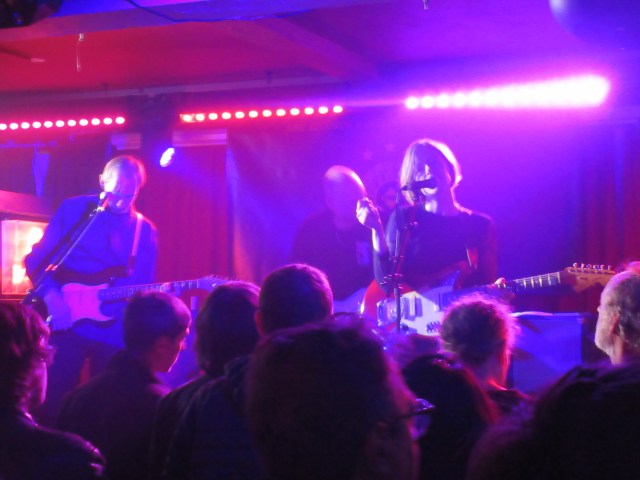
And that left Amber Arcades. Annelotte looked quite tense before she started, and quite different to before, too. Hair shorter, darker; generally a bit more sombre. The band was different, apart from her loyal lead guitarist, who, if I recall correctly, is called Manuel. I read somewhere that the set would showcase the new album Barefoot on Diamond Road; but in fact it was a nice mix, mostly of Fading Lines and the new. Nothing from European Heartbreak, strangely. They started with two of their most popular songs, It Changes and Come with Me. Both upbeat and played with gusto. That set the scene nicely for a really enjoyable set. It was quite a short set, but I was delighted to get Fading Lines (the song) midway through the set and, to my surprise, given there were no keyboards, the epic Turning Light at the end. Manuel really rocked out on that, and I founded myself reminded of Hawkwind’s Silver Machine at one point! Hopefully there’ll be another tour soon where they can play a longer set; and in the meantime I’m really looking forward to giving the new album a good listen.

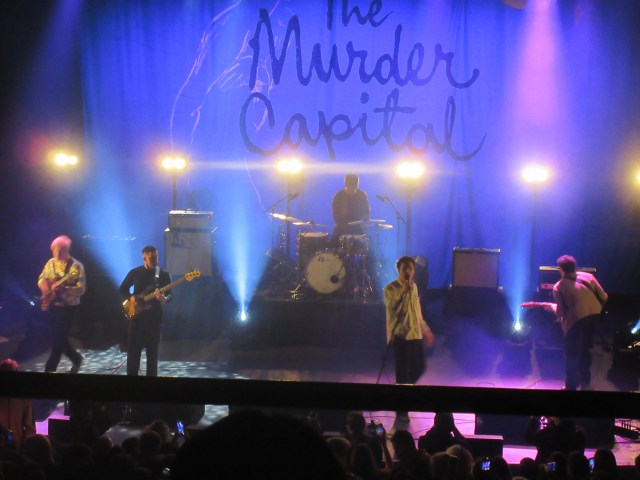
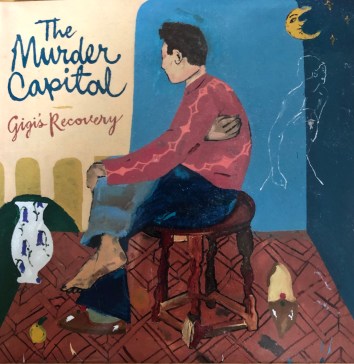
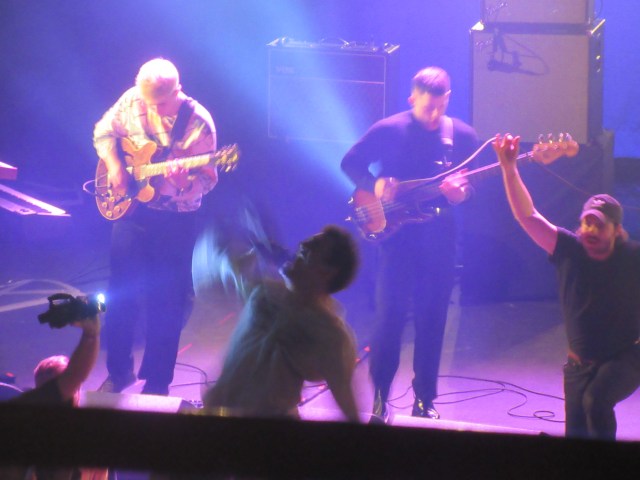
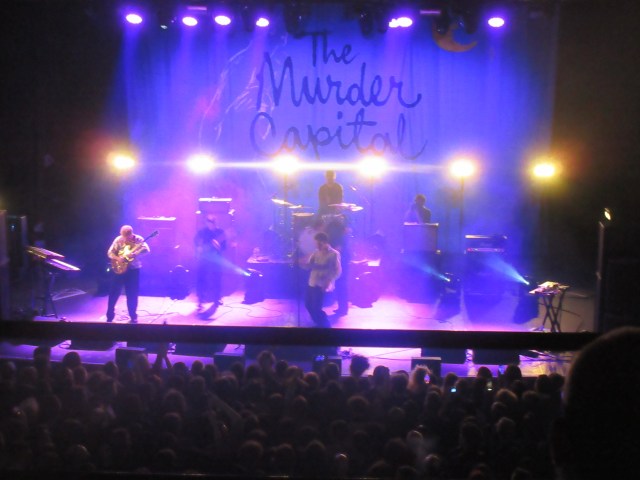
So, a great start to this year’s gig-going. Not sure I’ll go to as many as last year, but I’ve got some good ones lined up. Next is Jockstrap in Nottingham on 10 February; then The Murder Capital at the O2 Forum in Kentish Town on the 23rd. And I’ll be looking out for future concerts from all three artists I saw this evening.

Posted in Music - concerts, lists, reflections | Tagged , , , , | Leave a comment

Tom Verlaine 1949-2023

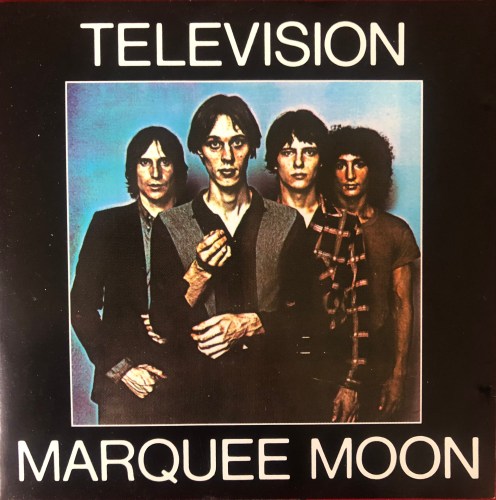
I was sad to read late last night that Tom Verlaine, the great singer and guitarist with New York new wave band Television, had died, aged 73. Television shone only briefly in the mid to late 70s, but how brightly they shone. Their 1977 album Marquee Moon is one of the classics of the era, and remains one of my favourite albums of all time. I return to it frequently, and especially the epic title track.

Naturally I wrote about the band and the album in my book I Was There – A Musical Journey. It followed a piece about Velvet Underground – hence the reference at the start.

There was some of the Velvet’s epic quality in a band that jumped out of the New York new wave in 1977 with an album that was truly different, truly original.  It was one of those albums that sounded like nothing that came before and hasn’t been matched, even by the band themselves, since.  Plenty of bands have been influenced by it – notably The Strokes in the US and early Razorlight here in the UK – but no-one has ever come up with quite the same sound as “Marquee Moon” by Television. The band were part of the New York punk scene, supported The Ramones at CBGB’s, featured Richard Hell for a while, etc, etc.  So where did this music come from?  It wasn’t punk: no two minute three chord bashes here.  It was a set of fragile, intense songs, anchored by the title track, a ten minute epic of swirling, filigree guitars and anguished vocals, driven along by a metronomic, jerky bass line.  The metaphors that come to mind are all about delicacy but also sharpness: shards of glass, diamond edges… cold and pristine… but on the edge of breakdown. 

 The singer, writer and lead guitarist was Tom Verlaine. Good name – that French touch seemed right for the music. I don’t know how he was feeling when he made this album, but it could have been intensely happy or intensely sad.  Or both.  But intense, sensitive, raw – it wasn’t just the day job.  That guitar sound had to come deeply from within.  The only sound which I think is comparable, and might have been an inspiration, is the epic soloing of Neil Young on songs like “Cortez the Killer” and “Like a Hurricane”. They have a richer, deeper guitar, but have the same visceral quality, and the same layering of sound, like a meandering river in search of its destination.

 Each song on “Marquee Moon” felt like a lament, or an argument, or just bewilderment.  Fragments of icy guitar intertwined with anxious vocals, leading nowhere in particular. Songs without resolution, hanging on a nervous ledge.  Songs on the edge.  “Torn Curtain”, “Venus”, and my favourite, after the title track, “Elevation”.     

“Marquee Moon” was ecstatically received in the NME.  The great Nick Kent wrote the canonising review.  Television were the new heroes… until the next album.  “Adventure” was given the classic build-‘em-up-knock-‘em-down treatment.  Julie Burchill was brought in to bring it down, to destroy the myth.  Television were no longer the untouchable heroes.  And the truth is, that second album wasn’t great and the band didn’t do much after that.  Tom Verlaine released some decent solo albums where the guitar runs occasionally reached the heights of “Marquee Moon”; but it looks like genius touched Tom Verlaine for just a short while.  Enough to make one of the great albums, an album like no other, a diamond amongst pearls.  But just the one.

Tom Verlaine was born Thomas Miller in New Jersey in 1949. He went to a private boarding school, Sanford, in Hockessin, Delaware, where he made friends with Richard Meyers, later Richard Hell, who is often credited with starting punk’s ripped clothes and safety pin style. They formed a band called the Neon Boys in New York in 1972. It didn’t last long, but Television emerged from the ashes. Richard Hell soon left, to be replaced by Fred Smith. Another guitarist, Richard Lloyd also joined the band. I discovered after I wrote my book that Richard Lloyd was responsible for a lot of the intricate guitar-playing on Marquee Moon. I also didn’t mention their first epic song, Little Jimmy Jewel. Like Marquee Moon itself, it is an amazing, discursive track, quite sinister. The two songs are Television’s masterpieces.

I had the pleasure of seeing Tom and his band play at the Roundhouse in November 2013. It was a wonderful concert, the only time I saw the music of Marquee Moon played live. They did Little Johnny Jewel too. You can read my review here.

Roundhouse, November 2013

Tom made a number of solo albums in the 80s and beyond. I remember Words From The Front with affection – there were some good solos on that! He collaborated with all sorts of artists along the way, including Patti Smith, David Bowie and Lee Ranaldo from Sonic Youth. But he will be remembered most of all for Marquee Moon, the album and the astonishing ten minute track. As Mogwai’s Stuart Braithwaite, no stranger to long guitar workouts, tweeted on hearing about Tom’s passing:

Tom Verlaine was a true great. His role in our culture and straight up awesomeness on the electric guitar was completely legendary. Name 10 minutes of music as good as Marquee moon. You can’t. It’s perfect.

Rest in peace, Tom Verlaine.

Posted in Music - concerts, lists, reflections | Tagged , , , | 3 Comments

A Thames Journey: (10) From Westminster Bridge to London Bridge

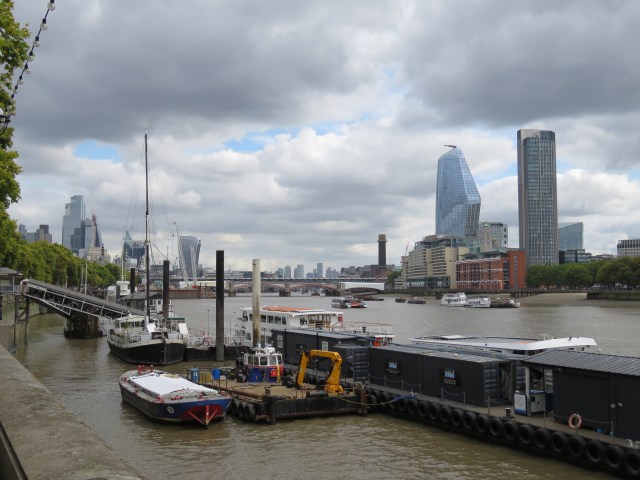
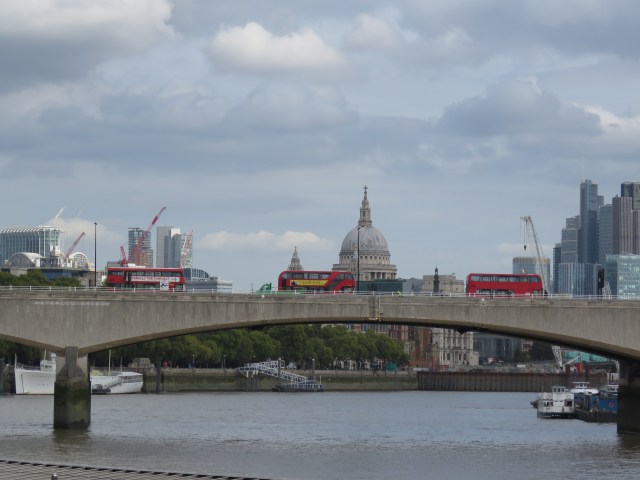
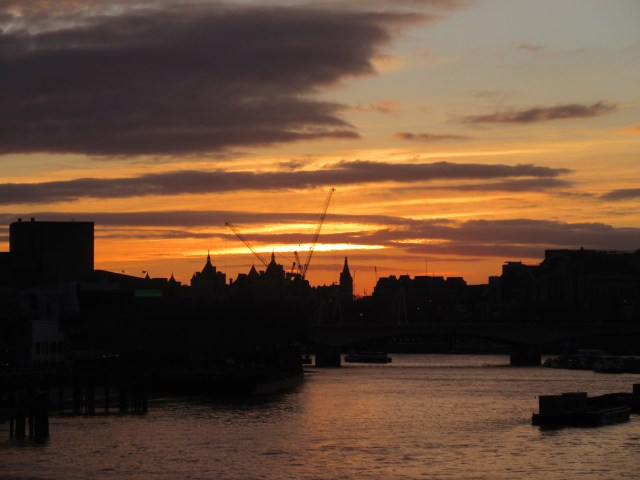
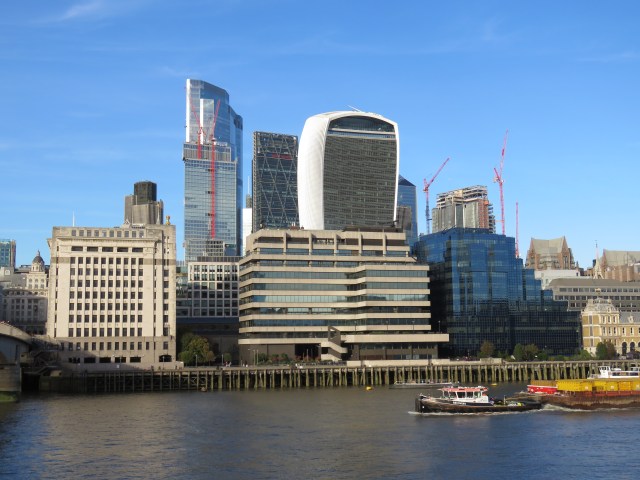
View from Victoria Embankment

For this, the tenth stage of our Thames journey, we travel quite a short distance – 2.3 miles along the north side – but one that takes us through the heart of London, old and new. We ended last time at Westminster Bridge. This time we journey to London Bridge, first heading north and then bending around to the east, and heading straight on. Both sides of the river are walkable along this stretch, though the south bank is best for the pedestrian, with no roads and only one diversion off the river – and an interesting one at that.

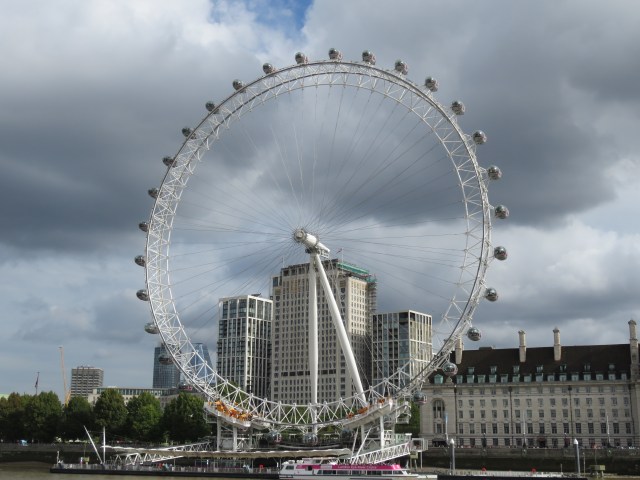
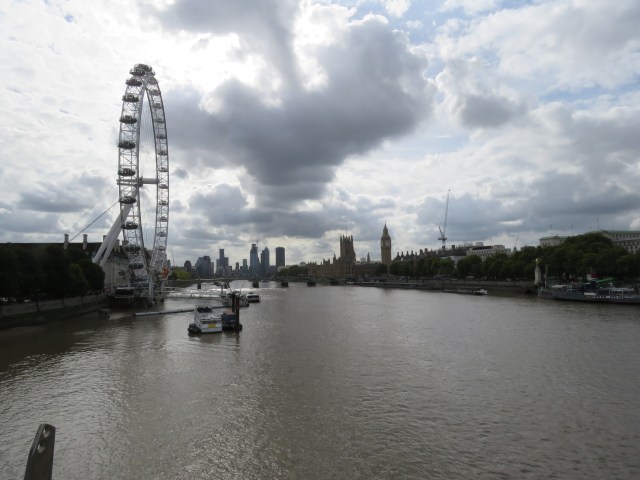
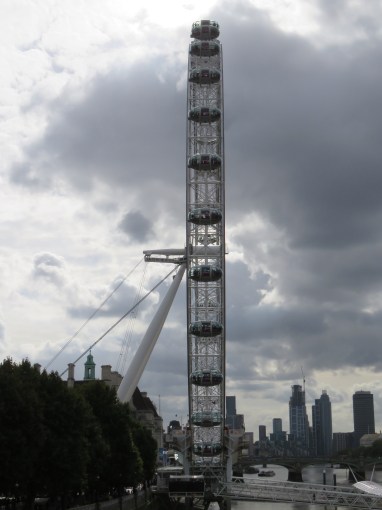
We’ll start on the south side, because that soon brings us to one of London’s best known landmarks these days, the London Eye. It was erected in 1999 to mark the Millennium and opened to the public in 2000. At the time it was the tallest Ferris wheel in the world, though it has been overtaken since. It is the UK’s biggest tourist attraction, which is evident when you walk along this part of the river! It’s not the only attraction in the vicinity – the old County Hall building, once the home of London’s local government, now houses the Sea Life Aquarium, Shrek’s Adventure and the London Dungeon, as well as a hotel and various restaurants. A place to pass through quickly, unless you are visiting one of these attractions. To be fair, the London Eye is not only a brilliant addition to the skyline, but is absolutely worth having a trip on. The views of London are stunning and there is something remarkable about reaching the top of the cycle, suspended in mid-air, feeling like you aren’t moving at all.

After the London Eye, you walk past Jubilee Gardens and reach Hungerford Bridge. I’ll come back to that once we’ve taken a short trip along the north bank, the Embankment. This is a Victorian construction, the work of Sir Joseph Bazalgette. Prior to the 1850s, the Thames still lapped onto the shores of Westminster, as well as the opposite bank. Both areas were prone to flooding. The Thames was also an open sewer, and smelled so bad that during the summer of 1858, MPs considered leaving Westminster. Bazalgette was commissioned to find a solution, which was to construct a network of underground sewers in London which are still used today. The problem was essentially shifted downstream, to Beckton and Crossness out in the east. Sewage pipes were laid along the Thames shore and then built over – the Victoria Embankment. Similar schemes were applied to the south side, up to Vauxhall – the Albert Embankment – as well as in Chelsea. At the same time on the north side, the District Line tunnel from Westminster to Blackfriars was constructed. Remarkable ingenuity, from which we still benefit.

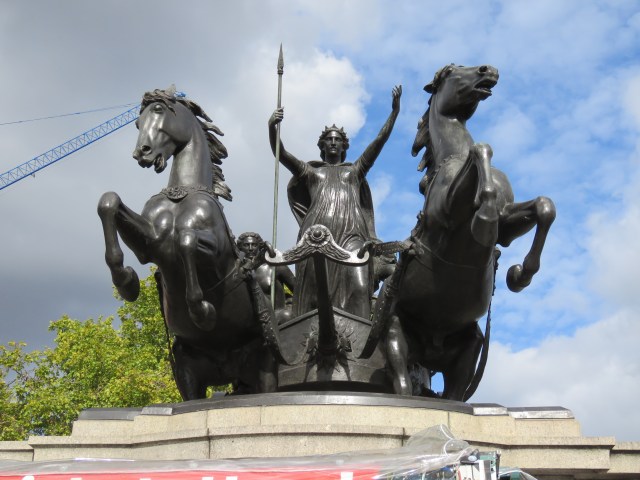
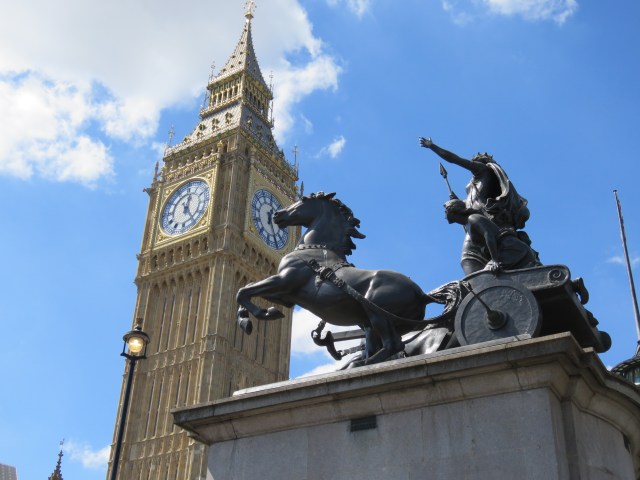
By Westminster Bridge stands the statue of Boadicea (or Boudicca) and her daughters on a chariot, ready to resist the Roman invaders no doubt. It’s the work of the Victorian artist and engineer Thomas Thorneycroft. It was placed in its present position in 1902. Despite its grandeur it’s quite easy to miss in the tourist throng around the bridge.

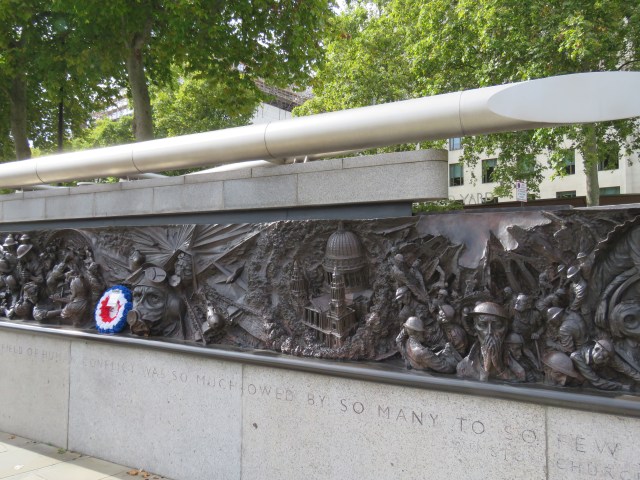
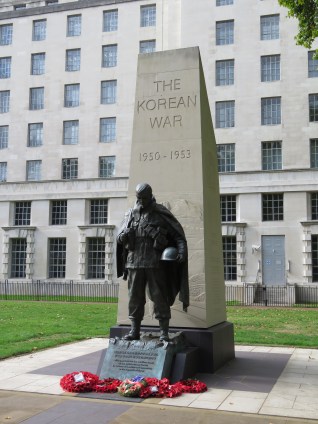
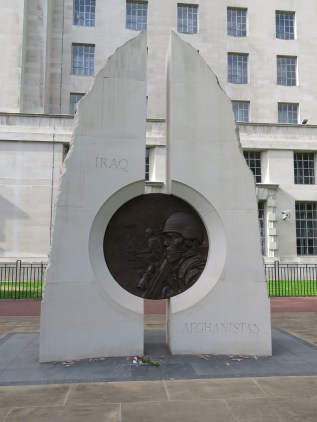
Just along the Embankment, past the Millennium pier, are the Battle of Britain monument  and the Royal Air Force memorial, unveiled in 2005 and 1923 respectively. Across the road, in the Whitehall extension of Victoria Embankment Gardens are a number of other war memorials, commemorating the Chindit special forces who served in Burma (now Myanmar), the Korean War and more recently those who served in Iraq and Afghanistan. Fittingly, the Ministry of Defence building looms over them.

Battle of Britain memorial

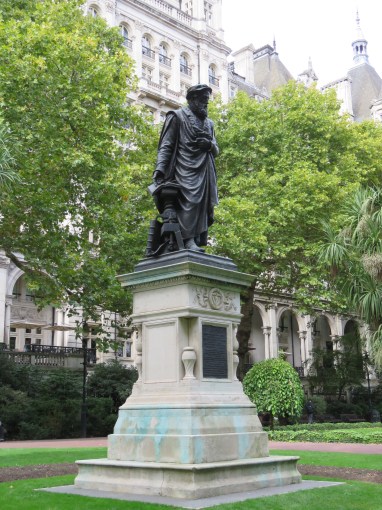
In the next part of the gardens are a rather odd selection of statues. First there is William Tyndale, a leading figure in the Protestant Reformation in the 16th century. He translated the Bible into English and opposed Henry VIII’s annulment of his marriage to Catherine of Aragon. He was living in exile when he was seized in Antwerp in 1535 and imprisoned near Brussels before meeting a grisly death at the stake in 1836. Clearly a major historical figure, unlike the other two: Henry Bartle Frere, a 19th century colonial administrator, and Sir James Outram, a general in India in the same century. I’m surprised those two haven’t become part of the statue culture war yet. Still, there’s a river nearby if they need one…

The gardens run up to Northumberland Avenue. On the other of the avenue is Embankment tube station and a supporting infrastructure of shops and bars. Villiers Street takes you up to the Strand, with Charing Cross station on its left. The Strand is so-called because it used to be the shore of the river, before Bazalgette and others transformed the area. Note to people unfamiliar with the tube: there is no need to get a tube from Charing Cross to Embankment. You can walk faster.

Beyond the tube station Victoria Embankment Gardens return, with another varied collection of statues, including the Scottish poet Robert Burns, 19th century social reformer Henry Fawcett, a monument to the Imperial Camel Corps (which fought in the first world war) and Richard D’Oyly Carte, the theatre impresario and hotelier who built the Savoy theatre and the adjacent Savoy hotel. It’s an appropriate location for him, as the hotel backs onto the gardens.

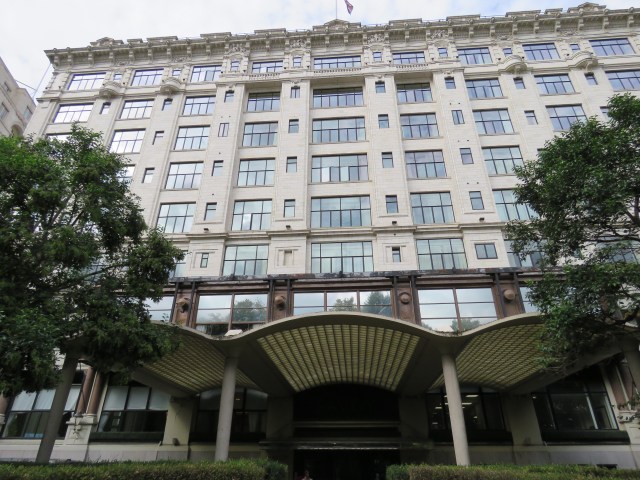
Savoy Hotel, river side

The name Savoy derives from Count Peter of Savoy, who was the uncle of King Henry III’s wife Eleanor of Provence. He was made Earl of Richmond and granted land by the river to construct a grand palace in the mid 14th century. The Palace was burnt down in the Peasant’s Revolt of 1381. In the 16th century, at the behest of Henry VII, a hospital for the poor was constructed, but it soon gained a reputation for “loiterers, vagabonds and strumpets.” It lasted until 1702, after which part of it was used as a military prison before falling into disuse. Enter Richard D’Oyly Carte…

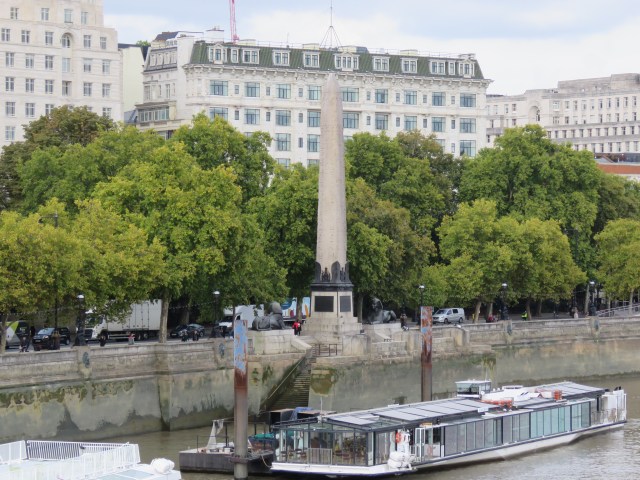
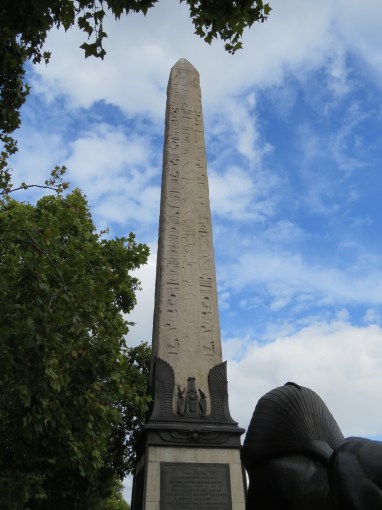
On the river bank is another monument, Cleopatra’s Needle, with accompanying sphinxes. The needle dates back to 1450 BC and was moved to Alexandria in 12 BC by Queen Cleopatra, to form part of a temple honouring Mark Antony. It was gifted to the British by the ruler of Egypt and Sudan, Muhammad Ali, in 1819, as thanks for British victories against the French in the Battles of the Nile (1798) and Alexandria (1801). The obelisk didn’t arrive in London until 1877 and almost sank in the Bay of Biscay on its journey over. It has a twin, which is in Central Park, New York. It’s a bizarre sight on the banks of the Thames, with the cars roaring by. Arguably, it would better back in Alexandria.

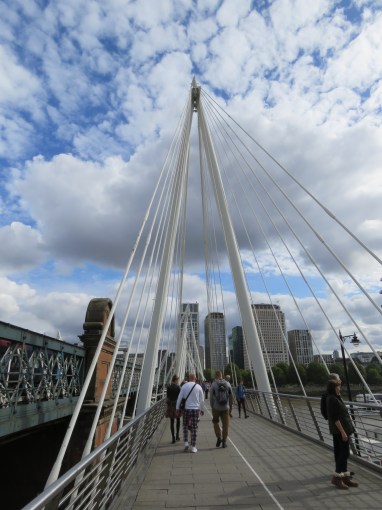
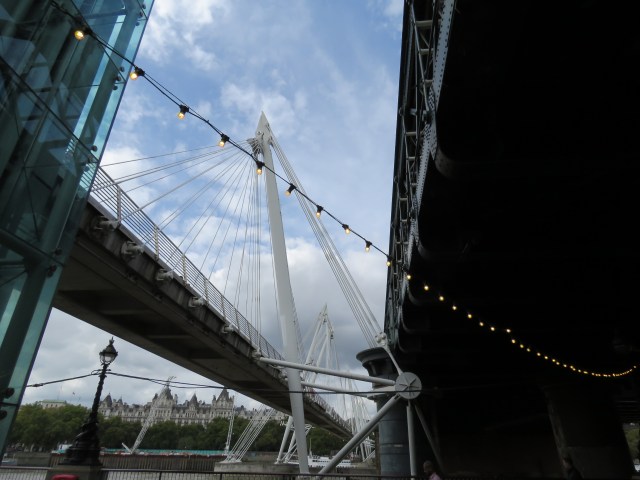
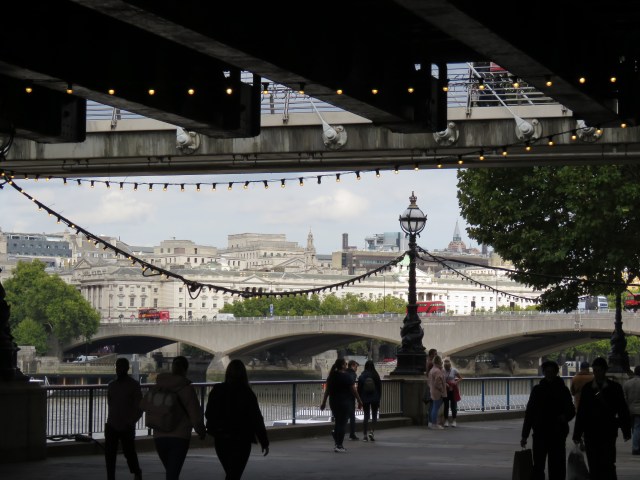
Monuments over, let’s double back to Hungerford Bridge, on which the railway from Charing Cross crosses over the river – first stop Waterloo station. On both sides of the railway bridge there are walkways which afford wonderful views of the river, upstream and downstream. Until I started doing some research for this piece, I’d completely forgotten that these walkways were only opened in 2002, for the Queen’s Golden Jubilee. There was something before that – just a narrow path on one side. The original Hungerford footbridge, designed by Brunel, opened in 1845. It was named after Hungerford Market in Charing Cross, on the site that is now the station. It was replaced by a railway bridge in 1864, to connect the new Charing Cross station with the rail network south of the river. Parts of the original suspension bridge were used in the construction of Clifton Suspension Bridge in Bristol. The rail bridge did initially have walkways on either side, but over the years one or other was closed as the rail bridge was widened and refurbished. A happy balance between trains and pedestrians now exists.

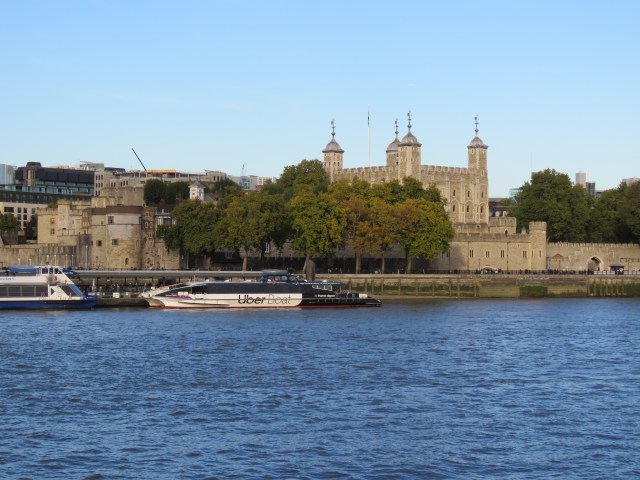
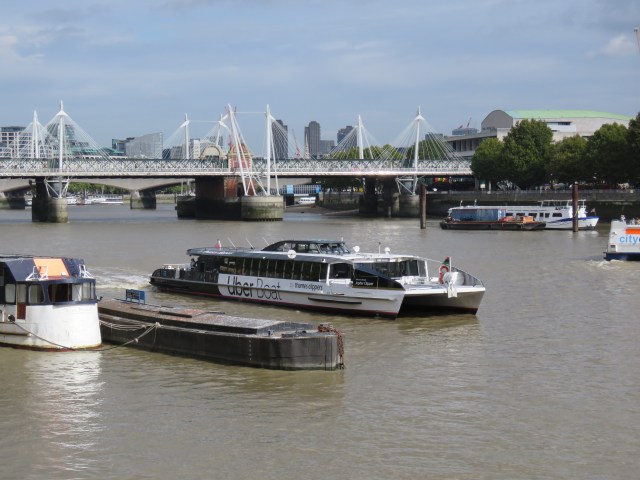
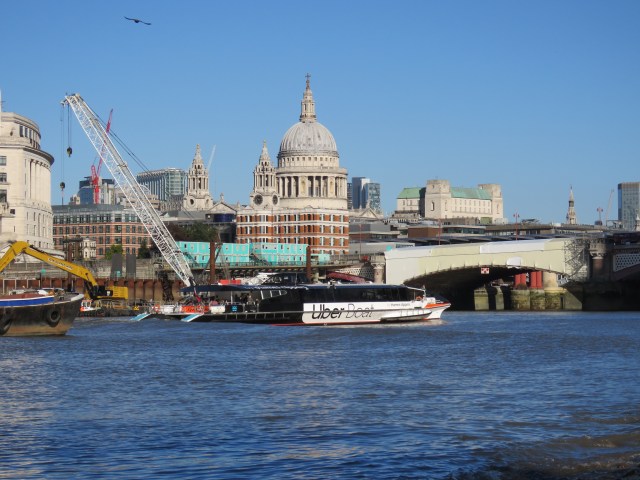
You are never far from an Uber Boat on this part of the Thames!

View from Hungerford Bridge upstream

View downstream

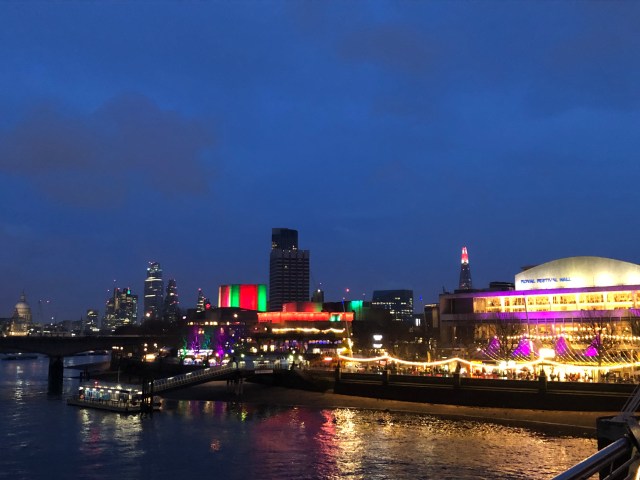
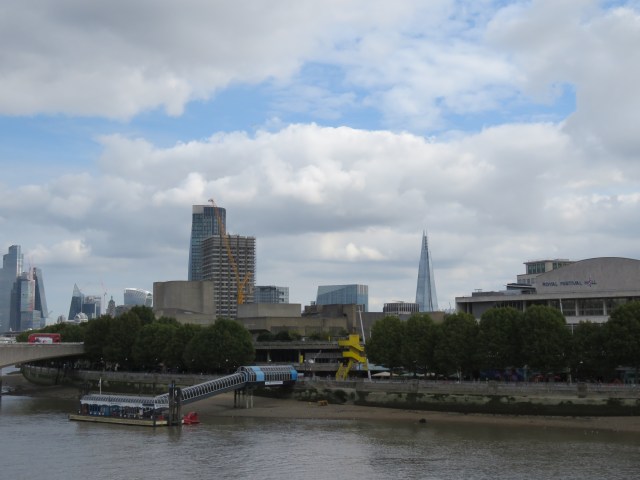
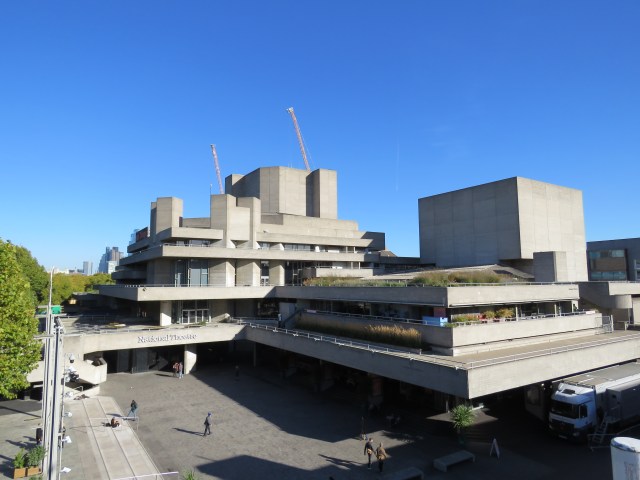
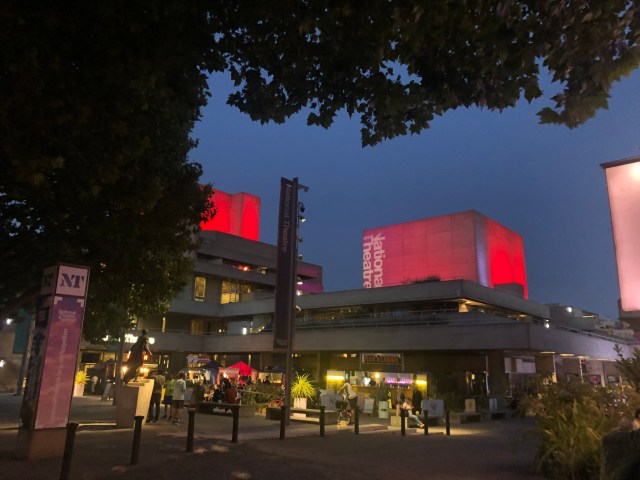
The bridge takes you from Embankment station to the South Bank, and one of the great arts and entertainment complexes to be found anywhere, a jewel in London’s crown. The 60s brutalist buildings may not be to everyone’s taste, but within they are home to music, art, drama, cinema, you name it. The Royal Festival Hall (including the Queen Elizabeth Hall and Purcell Room), the Hayward Gallery, and beyond Waterloo Bridge, The National Theatre and the British Film Institute. Not to forget the skateboarders arena! The whole area along the river is pedestrianised; there are bars and stalls restaurants all around, a food market behind the Festival Hall, second hand booksellers under the bridge. A place where Londoners and its many visitors can promenade. And all the while the river rolls by, conducting its business in the background. One of my favourite parts of London? Of course it is!

National Theatre

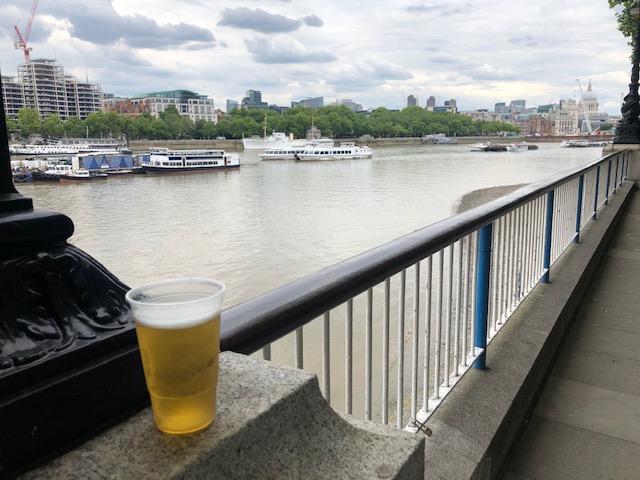
One happy memory for me is from 2020, as we tentatively came out of the first lockdown. It was June. The first time I headed back to central London was to the South Bank. I took a train from Brentford to Waterloo and headed for the river. Where else would I want to be? It was still fairly quiet. I bought a beer from a stall outside the BFI and walked down to the river wall, and just took it all in. The National Theatre, Waterloo Bridge, and further downstream Blackfriars, St Paul’s and the City. The human elements slowly coming back to life; the river its usual relentless self.

Rarely have I enjoyed a pint of lager in a plastic glass so much!

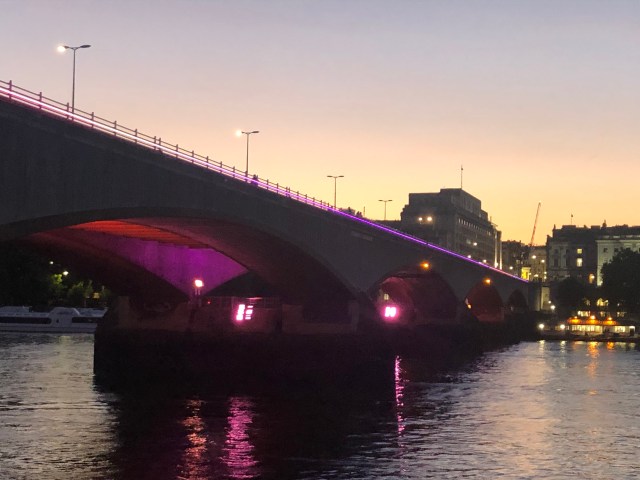
The first Waterloo Bridge was designed by John Rennie, and opened in 1817 as a toll bridge. It was made from granite. Like so many of London’s bridges, it suffered from erosion and what turned out to be unsuitable design – see previous blogs! It was replaced in 1942, but not fully opened until 1945. It is the only London bridge to be damaged by bombing during the war, which is surprising. It’s a pretty functional and unexciting construction, but these days it’s nicely lit up in the evenings, with a streak of purple light. And who can forget the Kinks’ Waterloo Sunset? Monet, amongst others, liked to paint the scenes here too. A different bridge, a different world; but there is something that draws you here.

View from Blackfriars in February 2019

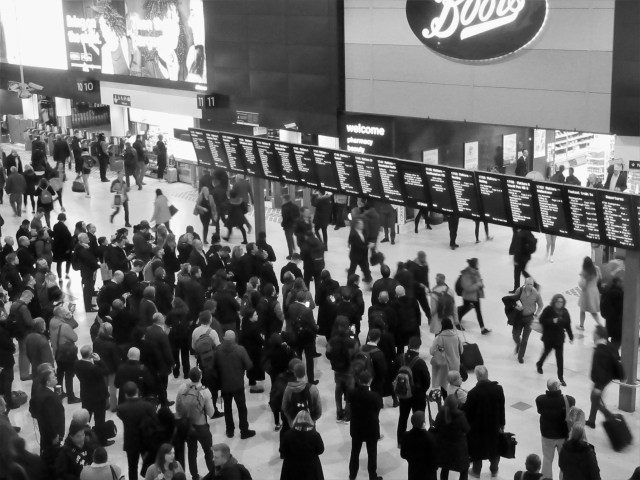
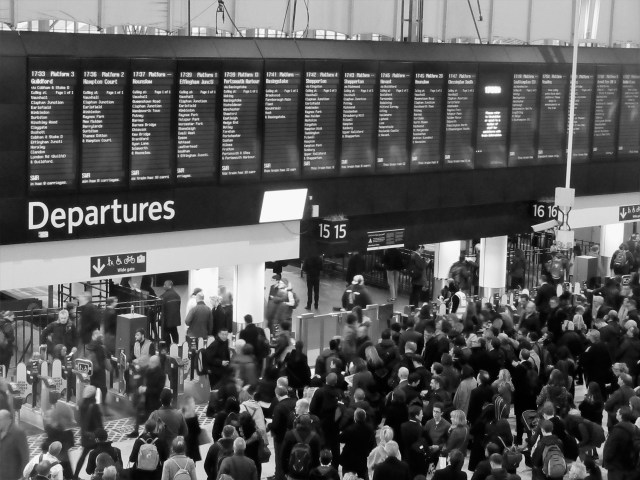
Waterloo station sits just behind the South Bank. It’s the busiest station in the UK, serving the south and parts of the south-west of England. Primarily it’s a commuter station, serving the south-west suburbs of London and Surrey and Hampshire. I briefly had to use it in my early days in London, travelling in from Putney and changing onto the London & City underground line to Bank. What a depressing experience that was! Pinstripes and briefcases, all queuing in precise diagonal lines, waiting for the doors to open. Heaven forbid that anyone should break through the queue. Much tutting would ensue. This was 1981.

I took these photos in February 2019. Seen from above, we all turn into Lowry-esque figures

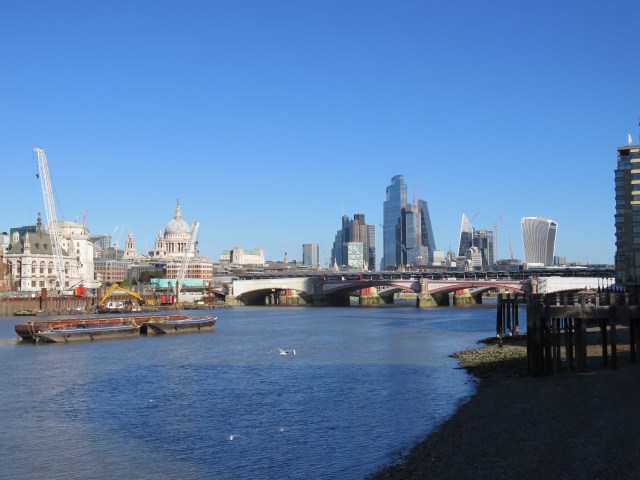
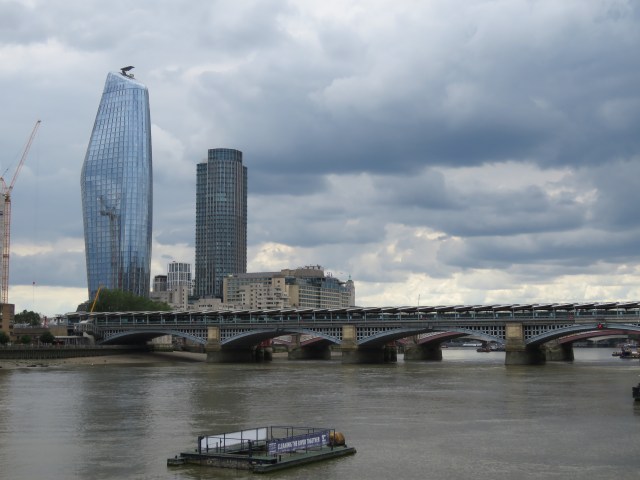
I love the walk beyond the National Theatre up to Blackfriars Bridge. On this side of the river, the gleaming tower that is One Blackfriars is an impressive sight, with the Oxo Tower in the foreground. But the views that take the prize are those of St Paul’s Cathedral and the City, coming ever closer. At low tide there’s a bit of beach that you can walk down to, and get even better views. There’s something exhilarating about being on a beach, with the Thames running by, surrounded by all these spectacular views.

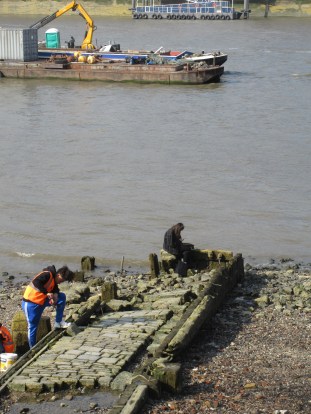
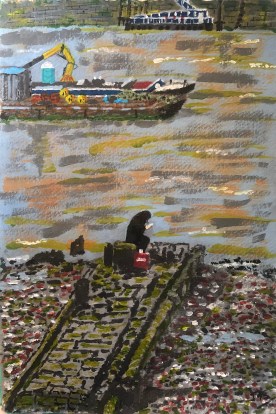
Maybe that’s why the woman in this next photo chose such an unusual place to sit and have a look at her phone (in March 2019). Maybe she was waiting for someone. Maybe she was a friend of the guy doing the digging. Or maybe it was just the sense of freedom, and the restless sounds of the river. I painted a picture of the scene, which I called Girl with Phone. (Took an artistic decision to leave the guy out!)

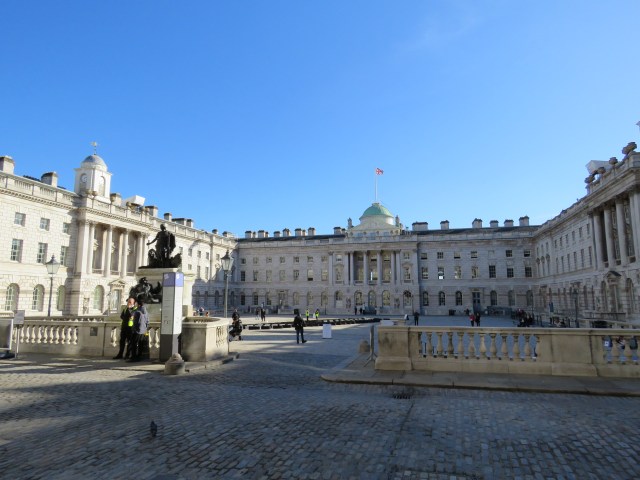
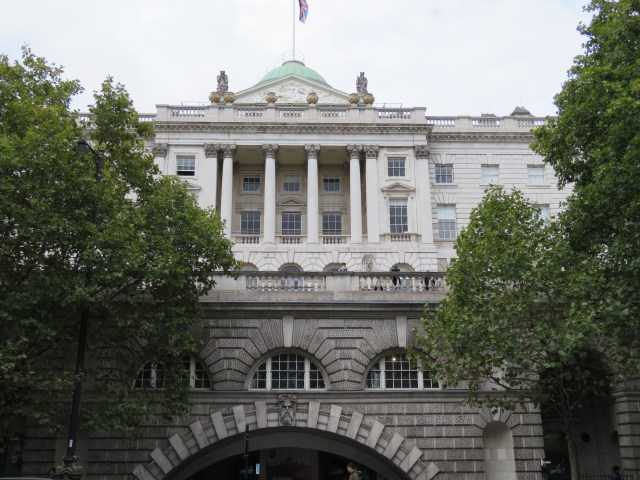
Back on the north side – which it now really is, as the river is heading east – just after Waterloo Bridge, we come to Somerset House. This has had a varied existence since it was first constructed by the Duke of Somerset (Lord Protector to the young King Edward VI) in the mid-16th century. The Duke never got to see the final product, as he fell out of favour with Parliament and was executed on Tower Hill in 1552! The building came into possession of the Crown and served as a residence to Queen Elizabeth I during the reign of her half-sister (Bloody) Mary. During Stuart times, it was used by the Queen Consorts, with a brief interlude during the Civil War. In Charles II’s reign it was viewed as a centre of Catholic conspiracy. After the Glorious Revolution in 1688 it fell into decline and in the mid-18th century was demolished and rebuilt by Sir William Chambers, with the intention of using it for government offices. This was its main purpose until the 1980s. It was particularly associated with the Inland Revenue (now HMRC). For a time in the 19th century it was also home to various Royal Societies, including the Royal Academy of the Arts (now in Piccadilly). The artistic connection revived following an act of Parliament in 1984 which paved the way for it to become a centre for the arts. The Courtauld Institute moved in, in 1989, bringing with it its amazing collection of Impressionist art. That remains to this day, and is free to see. It’s the equal of the collection in the National Gallery. A bit of a hidden treasure. Today Somerset House is also home to all sorts of creative organisations, hosts a popular ice rink in winter, and holds an acclaimed series of concerts in the summer.

Somerset House, river side

The front courtyard

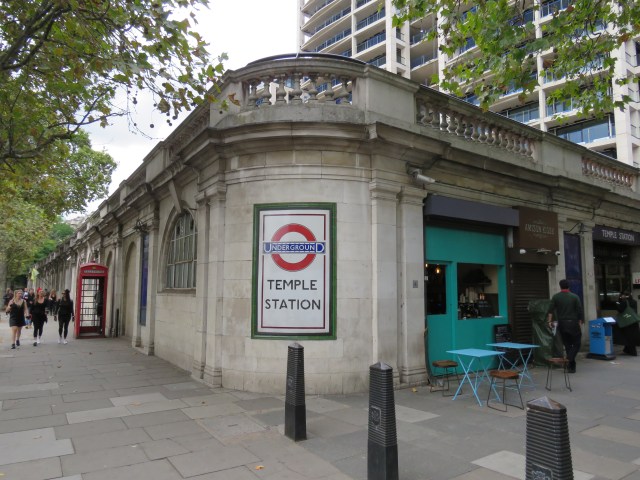
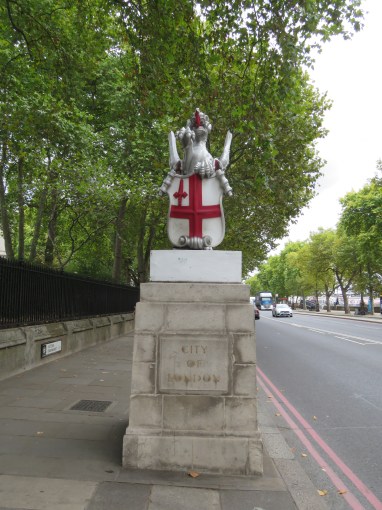
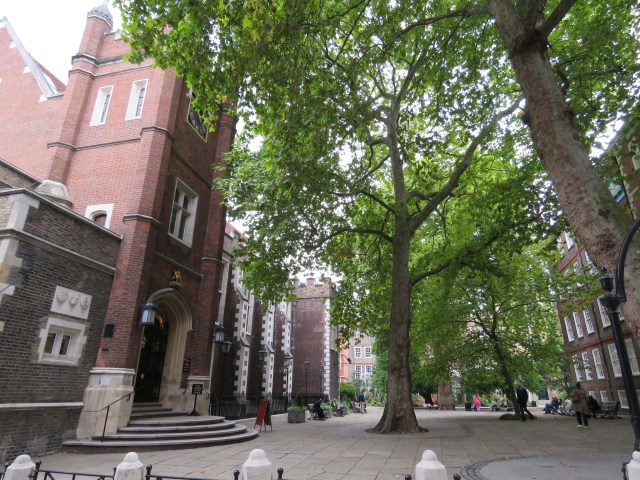
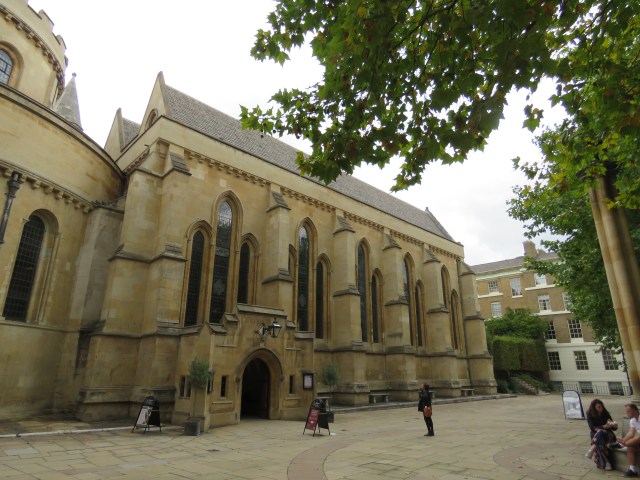
Soon we come to Temple tube station, then a rather odd monument signifying the boundary of the City of London, and then the Temple itself. This is the home of London’s legal profession, in particular the barristers’ chambers. It’s a tranquil spot in the middle of bustling London, with Fleet Street at its northern boundary, and the Royal Courts of Justice just down the road at the end of the Strand. The area was the home of the Knights Templar in the 12th century, but by the 14th royalty had their hands on it, and the lawyers moved in. Temple Church dates back to the 12th century. The area remains largely accessible to the public, so you can wander around, though most of the buildings are private. It always seems to me like a larger version of an Oxbridge college. There’s a pattern here: you go to a top private school, then Oxbridge, and then are “called” to the Bar, take “Silk” when you become distinguished enough, and spend much of your time in Temple and the Royal Courts of Justice. Seamless. The architecture barely changes.

Middle Temple Hall on left – it’s got a jolly nice canteen

The Temple Church

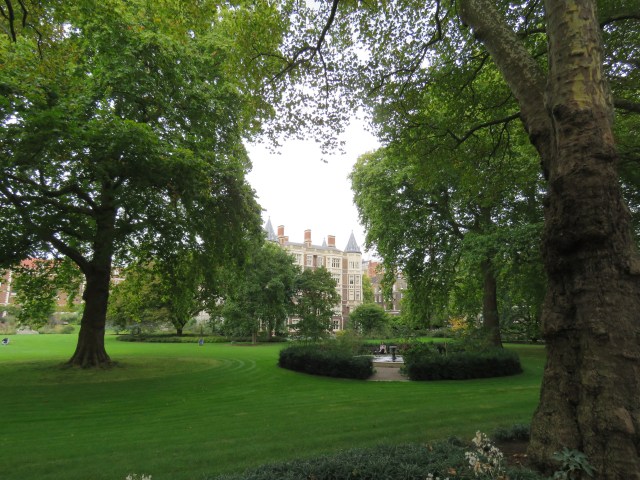
Inner Temple Gardens

Blackfriars Bridge first opened in 1769, having taken nine years to build. The designer was Robert Mylne, and the style was Italianate. It was originally called William Pitt Bridge, after the Prime Minister (the Elder) but that didn’t catch on, and it took its permanent name from the Dominican monastery which once stood nearby. Of course the original didn’t stand the test of time, and it was rebuilt in the 19th century, opening in 1869. A tram line was on the bridge from 1909 to 1952. It’s a bridge I often find myself crossing, coming out of the tube station, heading for the Tate Modern, a little way downstream on the south side. Like all the bridges in this part of London, there are great views all around.

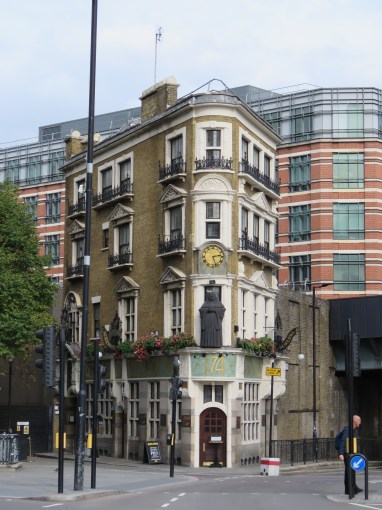
The Black Friar pub

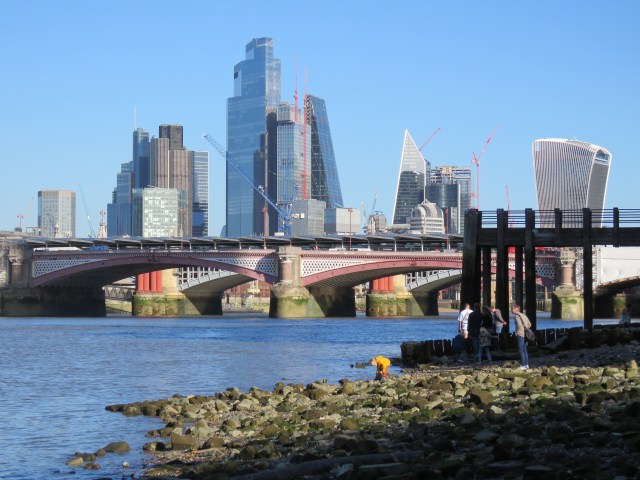
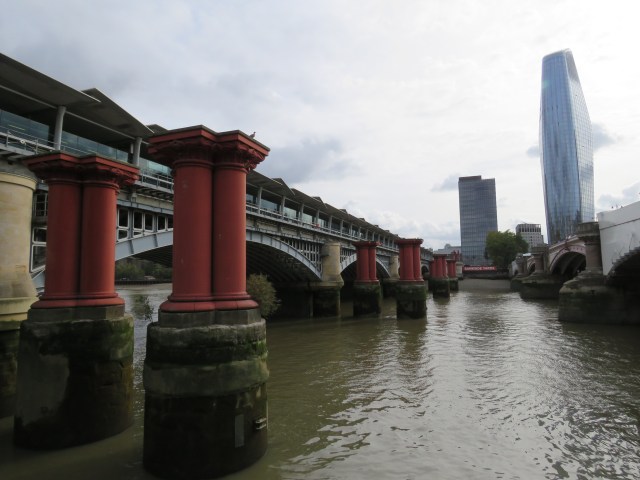
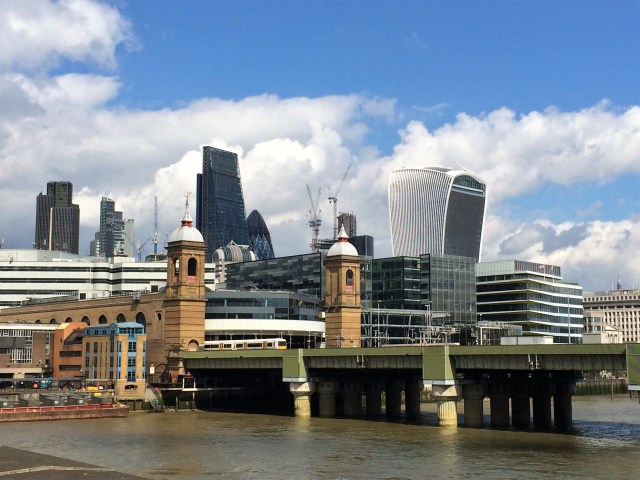
Blackfriars railway bridge is close by. It now has a Thameslink station on it. Running alongside are some red pillars. They belong to the old bridge, opened in 1884, which carried the London, Chatham and Dover Railway.

Blackfriars railway bridge with the platforms on top

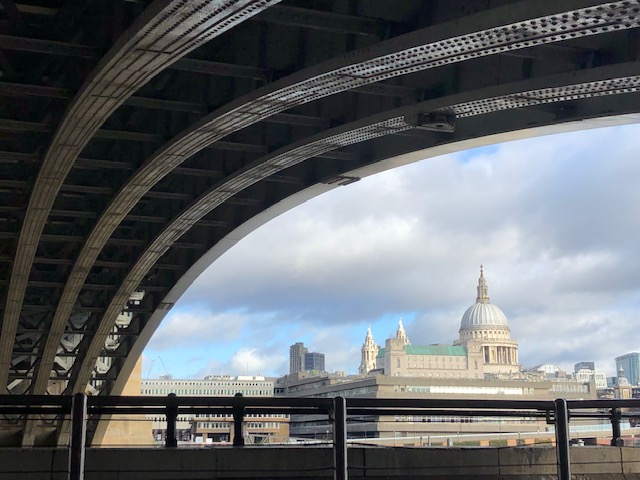
Crossing over Blackfriars Bridge, we take the steps down to the Thames Path and head along to the old Bankside power station, now the Tate Modern. Standing below the railway bridge you can frame a lovely view of St Paul’s on the other side of the river.

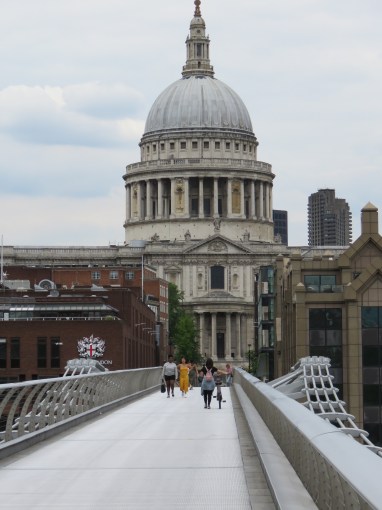
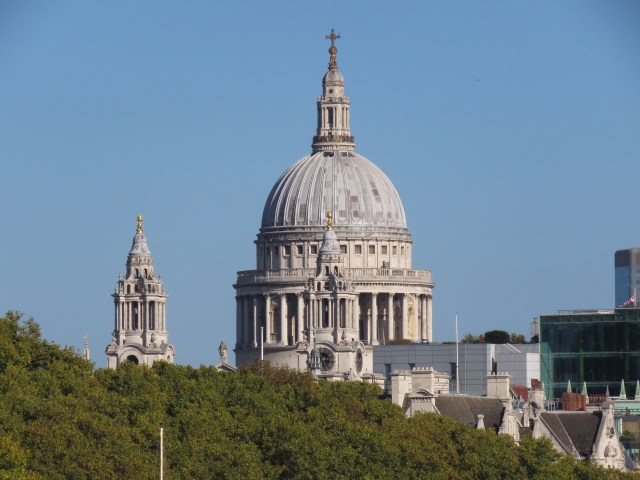
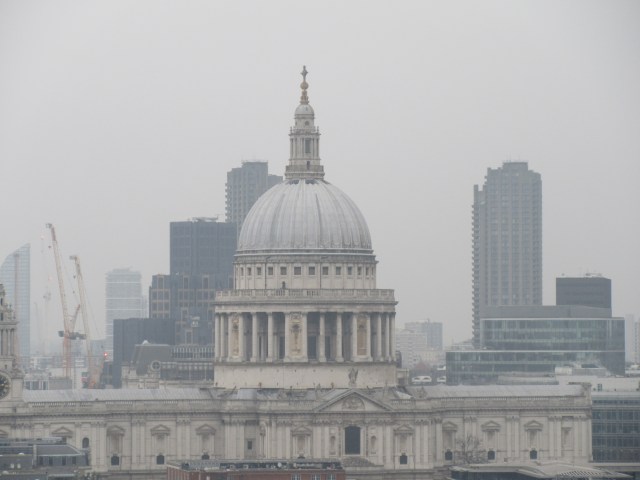
The indestructible cathedral – or maybe not. The current, iconic building, designed by Sir Christopher Wren in the late 17th century, survived the German bombs in World War Two; but its predecessor, a Gothic construction, fell victim to the Great Fire of London in 1666, just as its predecessor, an Anglo-Saxon cathedral, was destroyed by fire in 1087. The cathedral is situated on Ludgate Hill, the highest point in the City of London, and so it still holds its own against the mighty towers of the financial district. I think planning laws have also ensured that this remains the case. St Paul’s is the seat of the Bishop of London, and is the location for many nationally significant events: funerals of prominent politicians (including Winston Churchill and Margaret Thatcher), thanksgiving services for the Queen’s major jubilees and, of course, the wedding of Charles and Diana in 1981. The poet John Donne was Dean of the cathedral from 1621 until his death in 1631.

June 2020 – just coming out of the first lockdown

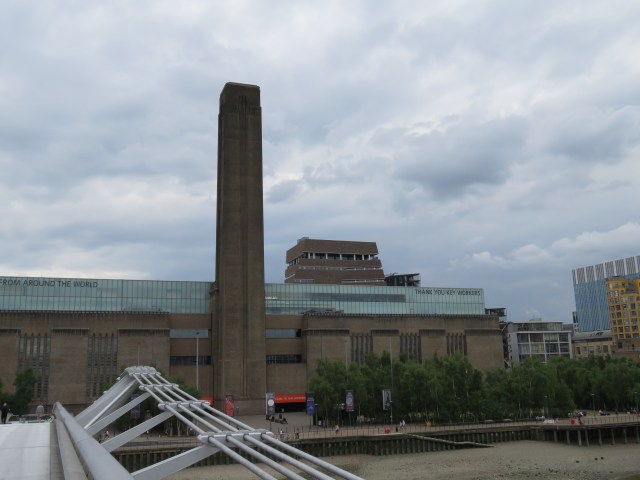
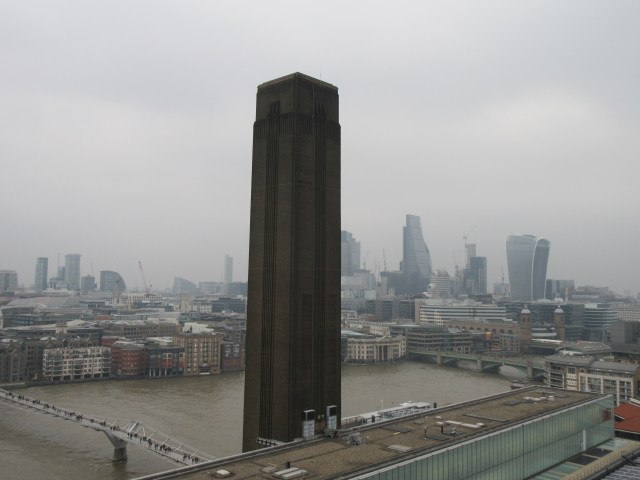
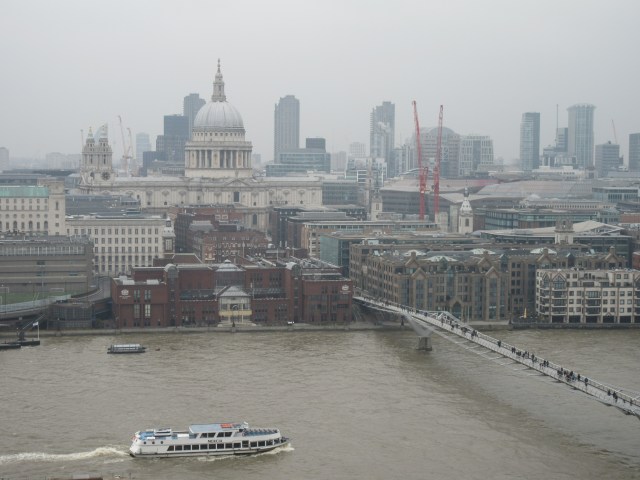
Misty day in February 2017 – view from Tate Modern viewing gallery

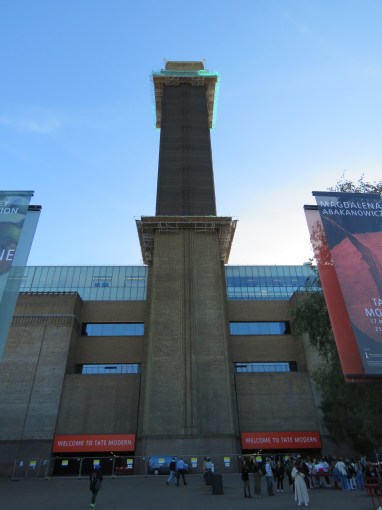
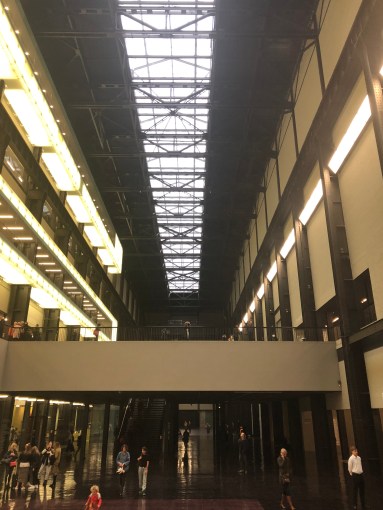
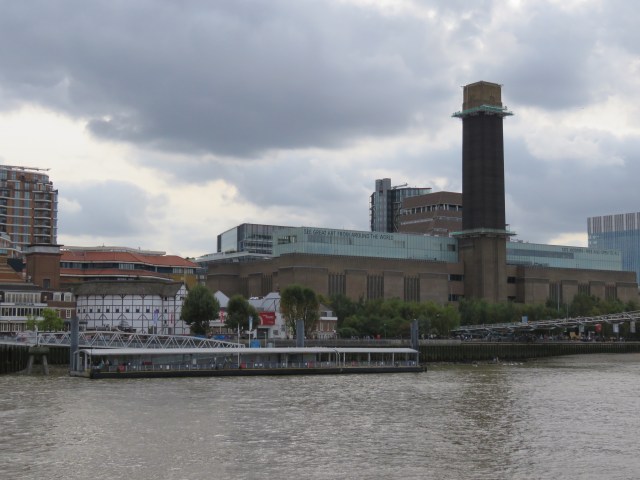
I’ll come back to the City in the next instalment of this journey, but let’s continue now to the Tate Modern and the nearby Millennium Bridge. Two more icons of modern London. The Tate Modern houses one of the world’s largest collections of modern and contemporary art. It officially opened in May 2000. The Bankside power station had closed in 1981 and was at risk of being pulled down. It’s a striking building from the outside; but inside it is a marvel. The huge Turbine Hall, which occupies the central space is an awesome site, cathedral-like. It has been used over the years for some mind-boggling exhibitions. The two that stand out in my memory are Ai Weiwei’s Sunflower Seeds in 2008 and Olafur Eliasson’s extraordinary Weather Project in 2004, in which a large sun-like object radiated yellow light through the hall, reflecting off the large mirror covering the ceiling. We all lay on the floor to take it in – and see ourselves reflected in the throng. At that moment you understood why ancient civilisations worshipped the sun.

View from the Blavatnik viewing gallery

Turbine Hall from the side entrance

An extension was built which opened in 2016. Initially known as Switch House, it is now the Blavatnik Building, named after the Anglo-Ukrainian billionaire who contributed to the cost of the extension. As well as galleries it houses an excellent members’ café – which has sadly remained closed since lockdown restrictions were lifted – and has attracted controversy for its viewing gallery on the 10th floor, which allows views into the apartments of some of the nearby high-end residential blocks.

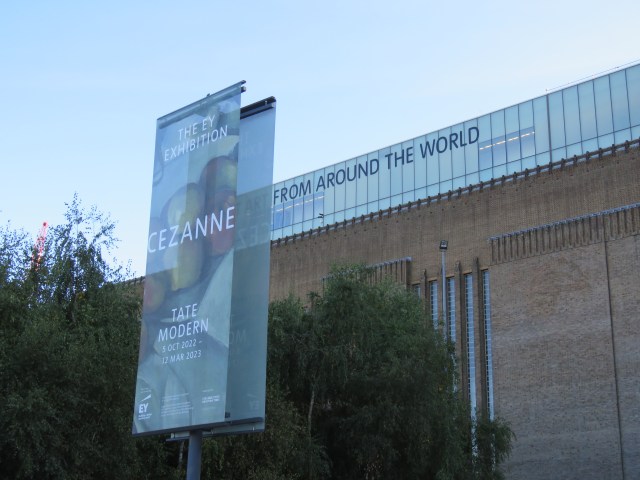
Of course, it’s the art that makes it such a vital part of London’s cultural riches. As well as the numerous galleries of the permanent exhibition (which is free) there are so many fantastic exhibitions, including the wonderful Cezanne show at the moment.

Now on!

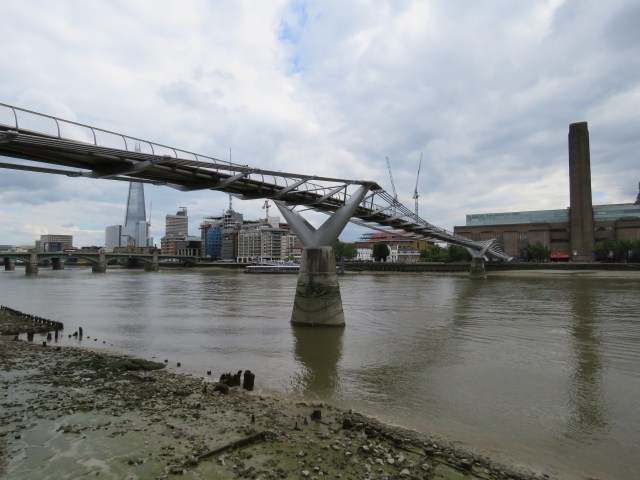
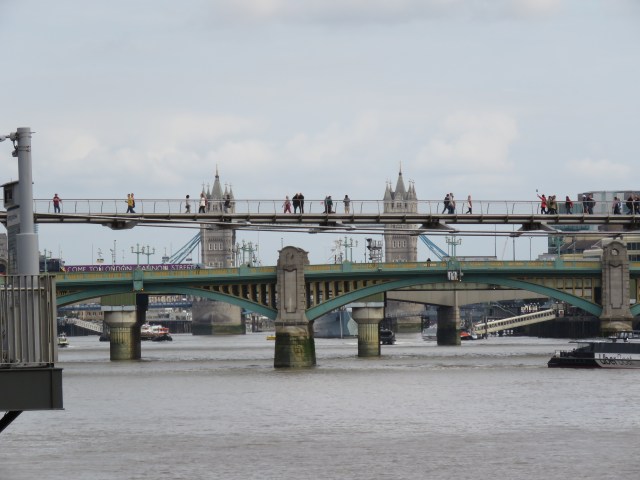
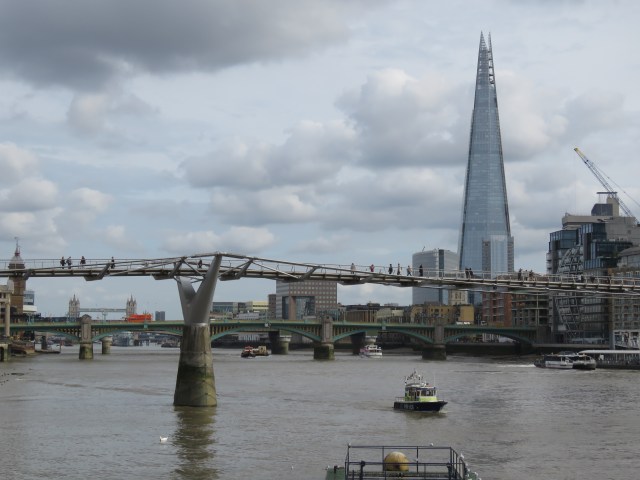
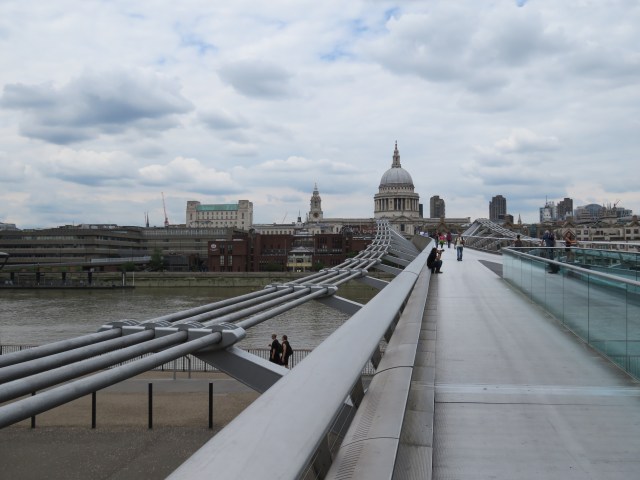
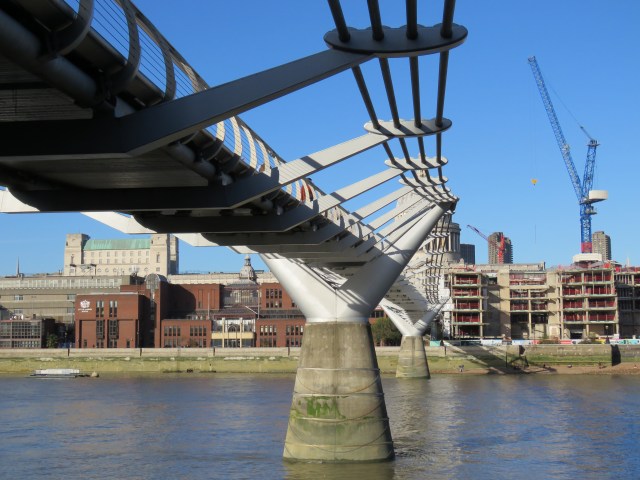
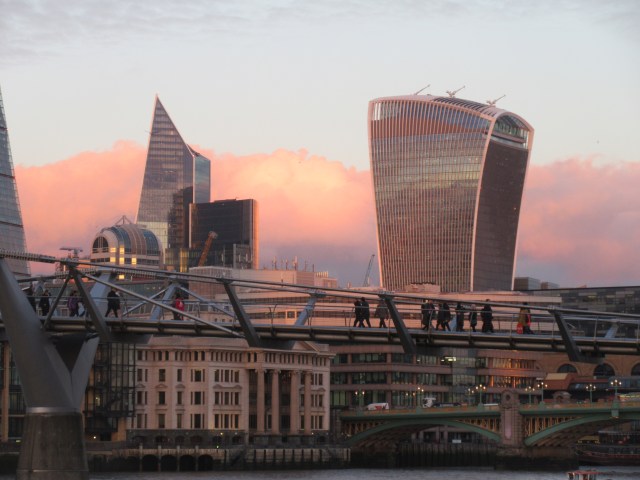
The Millennium footbridge is another amazing construction, though it had a wobbly start – literally. Designed by Norman Foster, it opened in June 2000, but was soon closed, as it shook when large numbers of people walked across it. Apparently we have a tendency to walk in lockstep with others and this caused the swaying. So it was the pedestrians’ fault! The bridge had to be redesigned before it was reopened in 2002. No-one calls it the wobbly bridge anymore – they are too busy marvelling at the views, which include the straight line up to St Paul’s.

Bridges galore!

The Shard begins to dominate

June 2020 again

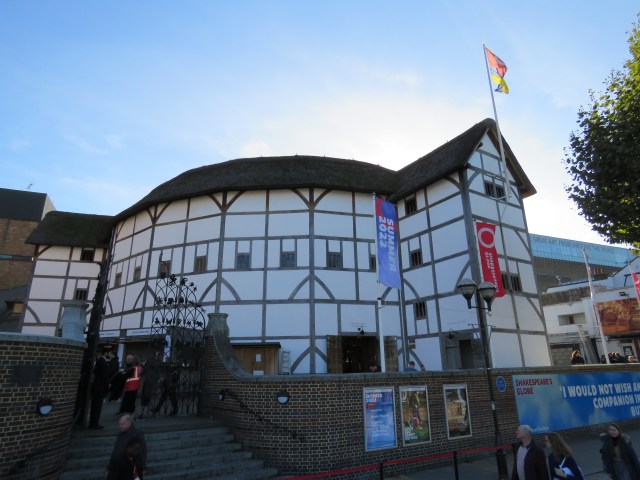
Next to the Tate, we come to the Globe Theatre, once the home of William Shakespeare’s troupe, the Lord Chamberlain’s Men. The original Globe was built in 1599, partly using timber from another theatre in Shoreditch – without the owner’s agreement! It burnt down in 1613 and was rebuilt the following year. It survived until 1642, when it was closed down with the outbreak of the English Civil War. It never re-opened, and tenements were built on the site. The current theatre, which was modelled on the original, was opened in 1997 and has flown the flag for Shakespeare ever since.

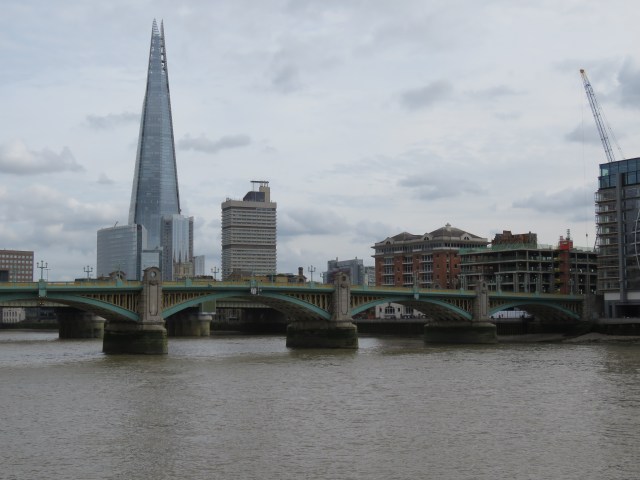
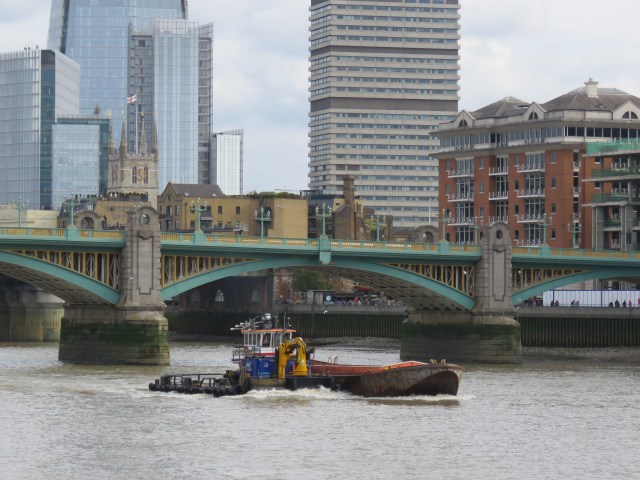
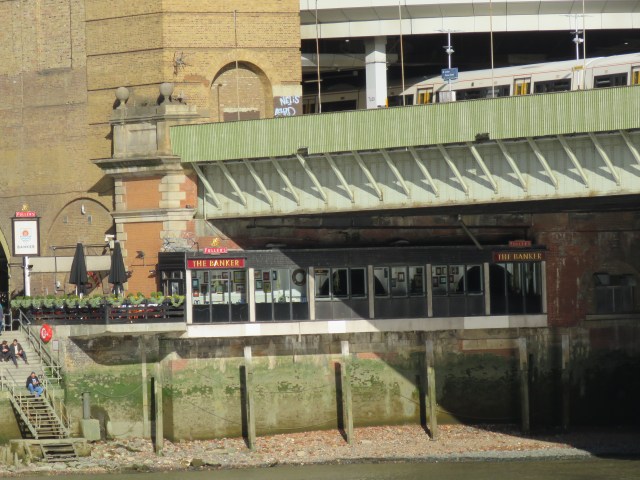
We pass Southwark Bridge – the current version opened in 1921 – before taking a diversion from the riverbank which leads towards Borough Market and Southwark Cathedral. On the north side incidentally, you can take steps down to the river and along an alleyway to the Banker pub, which serves Fullers. Part of the pub is directly under Southwark railway bridge, and if you get a window seat you can watch the boats go by.

Southwark Bridge

Working river

Southwark railway bridge

Pop in for a pint!

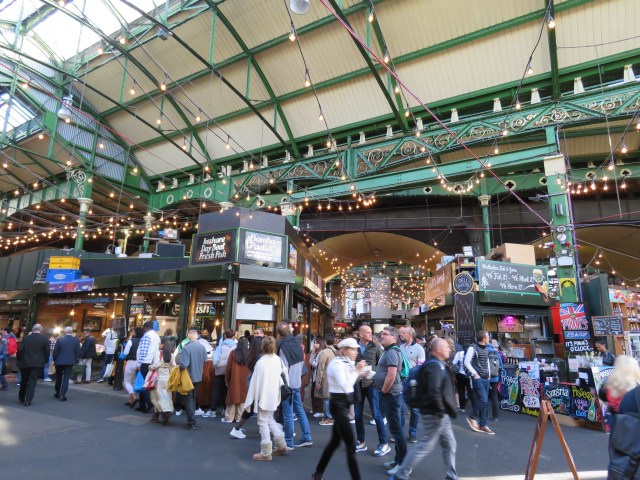
Borough Market has existed in one shape or form since 1014, and quite possibly earlier. In the 19th century it was one of London’s most important wholesale food markets, owing to its position near London Bridge and the docks. It fell into decline in the late 20th century, until it was revived by turning into a retail food market. Today it is thriving and is a major tourist attraction. There is a wonderful array of fruit, vegetables, meat, fish, cheese and all sorts of specialities. There are numerous food and drink stalls if you fancy a snack, as well as some excellent restaurants. The smells of all the produce are wonderful. Not the cheapest of places, but the quality is high.

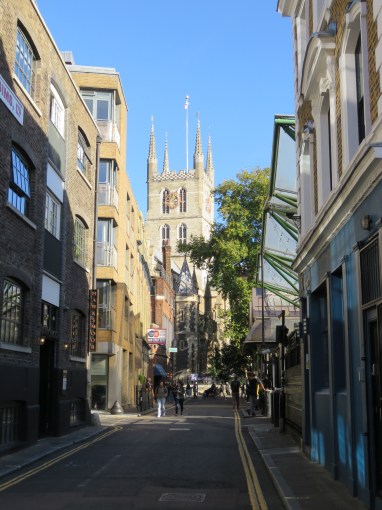
Approaching Borough Market on right – and Southwark Cathedral ahead

Inside Borough Market

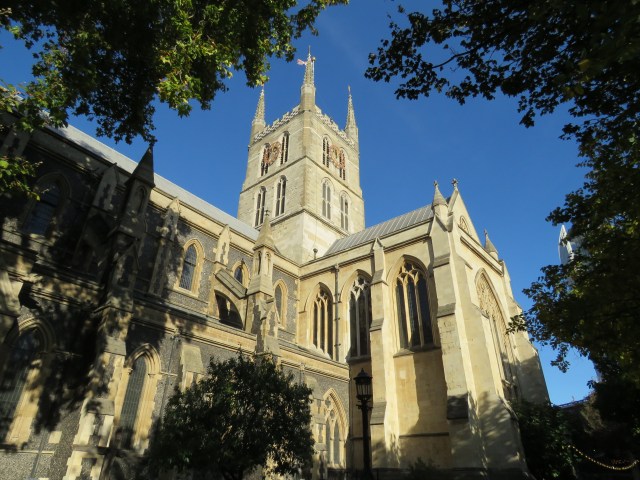
Southwark Cathedral is nestled between Borough Market and London Bridge. Between 1106 and 1538 it was an Augustinian priory. With the dissolution of the monasteries under our old friend Henry VIII it became a parish church, St Saviours. For centuries it was, strangely, part of the diocese of Winchester, then from 1877, Rochester. It only became a cathedral in 1905, with the creation of the diocese of Southwark. It retains a lot of its 13-15th Gothic origins, though the nave was rebuilt in the 19th century. The gardens around it are a peaceful place to take a breather from the bustle all around.

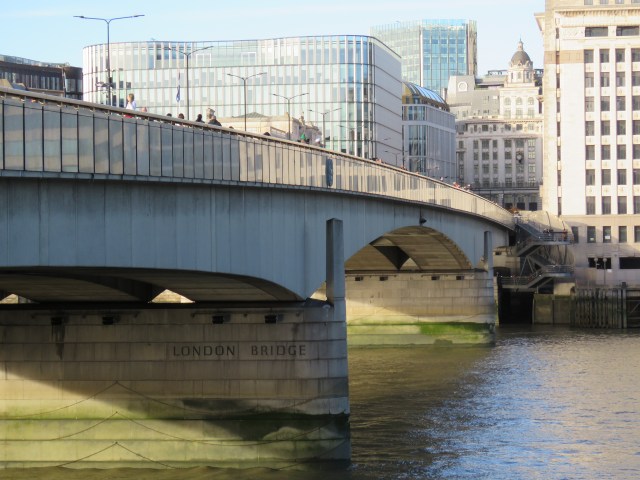
And so we reach London Bridge, at the very heart of old London, but alive with the new. The current bridge, which is not the most beautiful, opened in 1973; but there has been a bridge here at least since Roman times. The first bridge may have been constructed around 50 AD (or CE if you prefer). From that point a small settlement called Londinium sprung up. And the rest, as they say, is history. The bridge may have been destroyed in the Boudican revolt of 60 AD, but another was built. The bridge fell into disrepair with the end of Roman rule in the early 5th century, but was rebuilt in the 10th century, possibly by Alfred the Great. It was destroyed again in 1014 by King Olaf of Norway, whose navy tied ropes to the bridge’s supports and pulled the whole thing down. This is thought to be the origin of the song, London Bridge is Falling Down. William the Conqueror rebuilt it after the Norman Conquest in 1066. It was destroyed again, this time by fire, in 1136. The last wooden bridge was rebuilt under King Stephen, one of our least well-known monarchs.

King Henry II commissioned the construction of the first stone bridge in the 1160s. It wasn’t completed until 1209, but by then houses were already being built on it. This bridge, with various alterations over the centuries, lasted until 1831, and became world famous. There were houses, shops, pubs and all sorts of artisans and traders. It became one of London’s main shopping streets, and a centre of much revelry, which resulted from time to time in people falling off the bridge and drowning. The numerous arches supporting the bridge made the currents either side particularly treacherous. On the south side of the bridge there was a gatehouse and drawbridge, which was pulled up at curfew, stranding people who had visited the taverns and theatres of Southwark. They had to rely on the waterman to ferry them across the river. A gruesome tradition sprung up from the early 14th century of displaying the heads of traitors on spikes by the gatehouse. The first recorded head was that of the Scottish leader William Wallace in 1305. Other unfortunate luminaries over the years included the rebel leader Jack Cade (1450), Thomas More (1535) and Thomas Cromwell (1540). There were fires on the bridge from time to time, but by 1666 there was a firebreak that prevented the Great Fire of London spreading to Southwark.

In the late 14th century there were as many as 140 houses on the bridge. The numbers shrank as people started building up – some buildings reached six stories. In the 18th century there were a number of fires. Houses were rebuilt, but quickly began to subside; eventually an act of parliament allowed all the properties to be demolished and the bridge’s structures improved. A temporary wooden bridge was constructed, but that was destroyed by fire in 1758, months after it opened! Supporting the stone bridge, a new “Great Arch” was created, but it weakened the structure, and hastened the bridge’s demise. It was replaced by another stone bridge, just upstream. Designed by John Rennie, it opened in 1831. By the late 19th century the bridge was the most congested place in London. It was also slowly sinking, the east side more than the west. It had to be replaced. In a bizarre twist, the bridge was purchased by an American entrepreneur, Robert P McCulloch, in 1968, and eventually reassembled in Lake Havasu City in Arizona. Its replacement officially opened in 1973 and  remains to this day.

London Bridge in the 20th century became associated with the drudgery of commuters, memorably in the lines from TS Eliot’s poem The Wasteland:

Under the brown fog of a winter dawn,                                                                                            A crowd flowed over London Bridge, so many,                                                                              I had not thought death had undone so many…

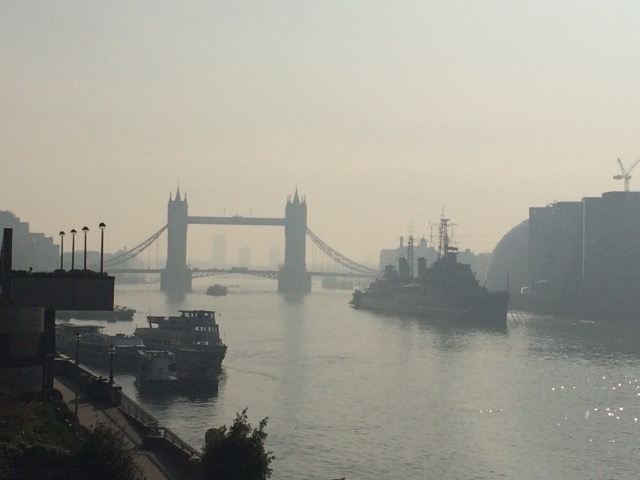
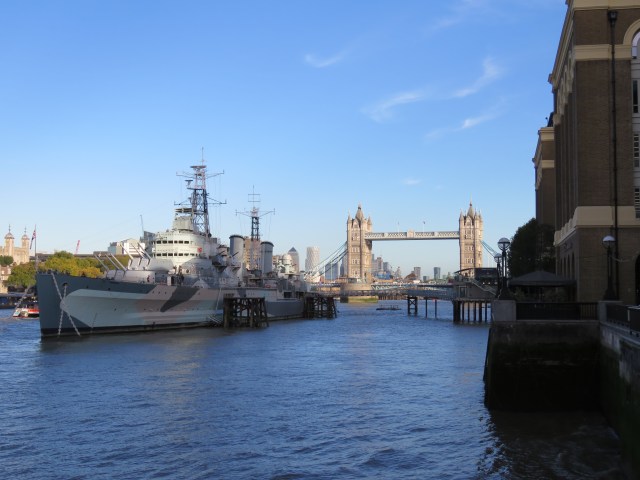
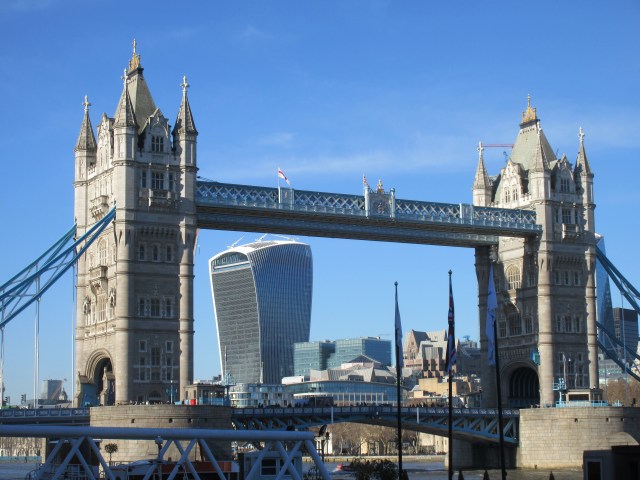
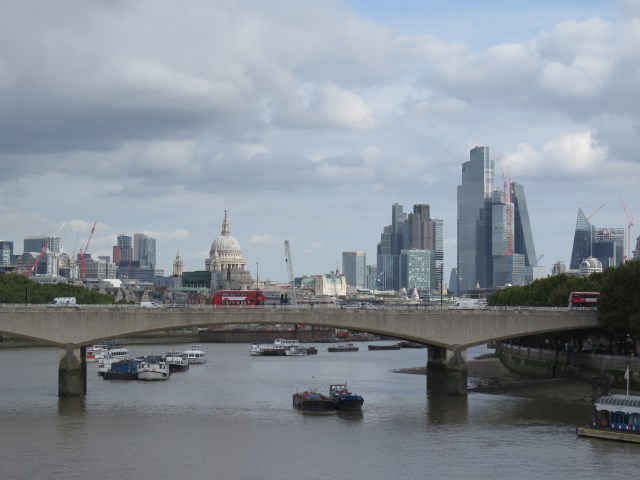
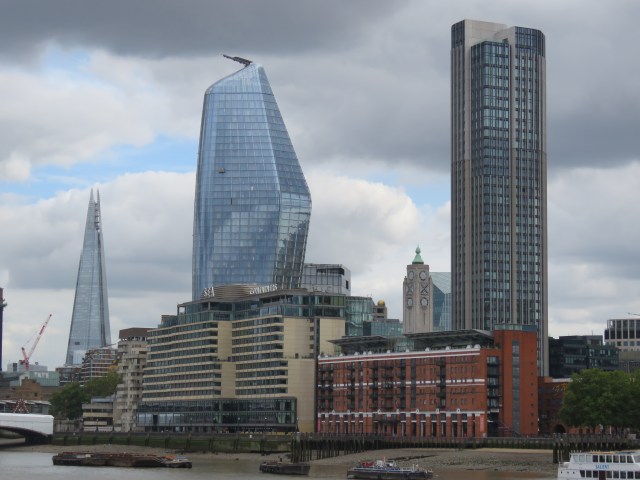
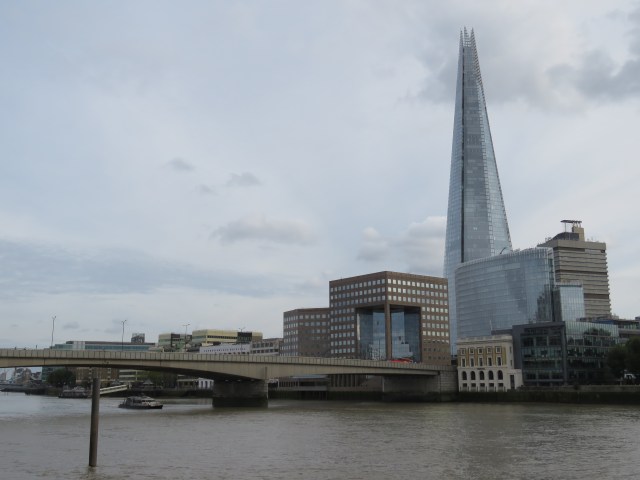
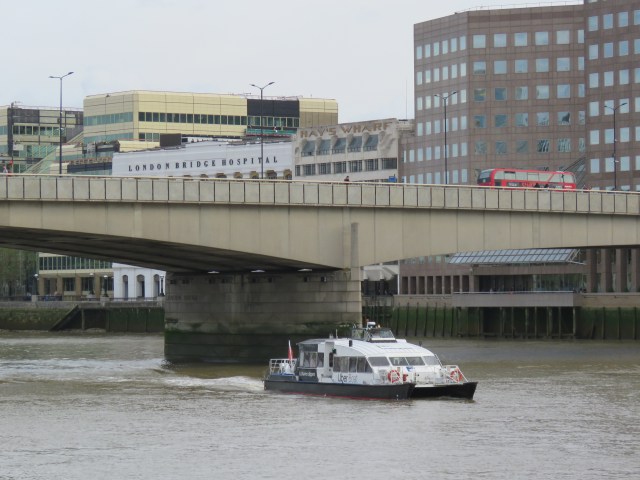
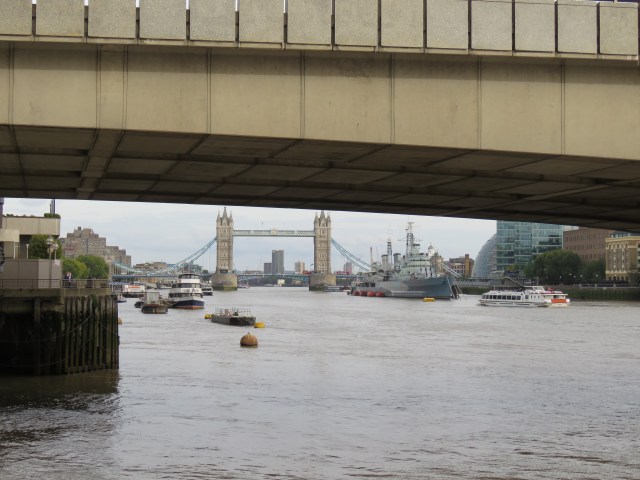
Tragically, death, real rather than metaphorical, has returned to London Bridge twice this century, with the terrorist attacks in 2017 and 2019. Westminster Bridge too, was the scene of killings in 2017. We are reminded of this each time we cross by the concrete blocks which now separate the roads from the paths. Let us not forget the suffering of the victims and their friends and families as we also revel in the views from the bridge – upstream the Tate Modern and St Paul’s amongst others; downstream the Shard, HMS Belfast and Tower Bridge; to north the City. We’ll explore the City, the Shard and further downstream in the next instalment of this Thames Journey.

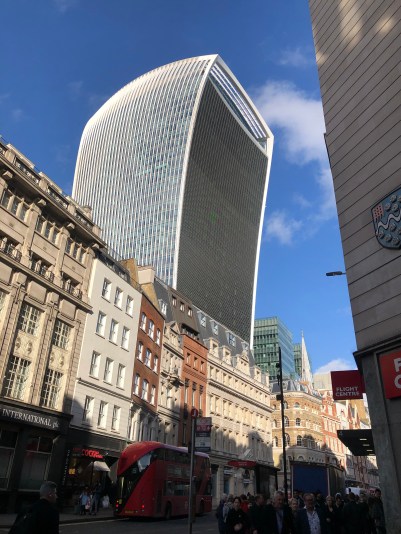
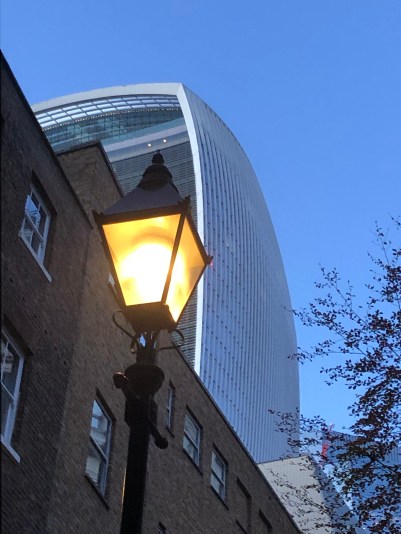
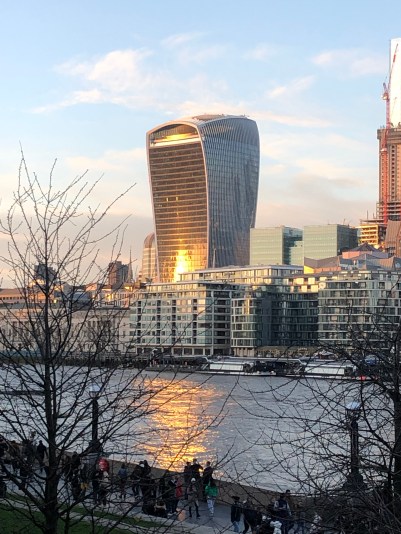
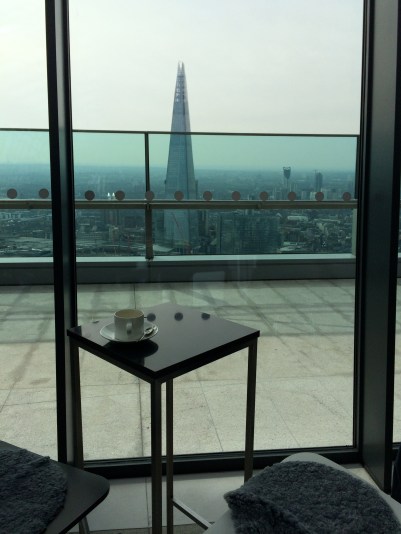
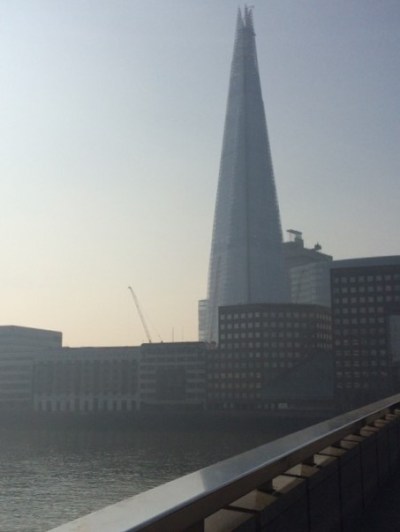
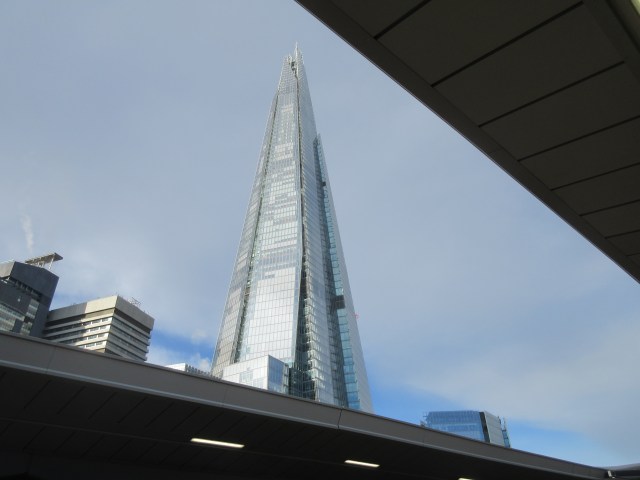
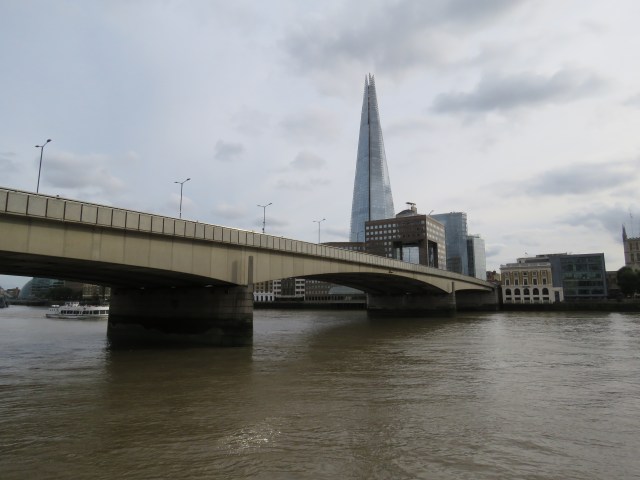
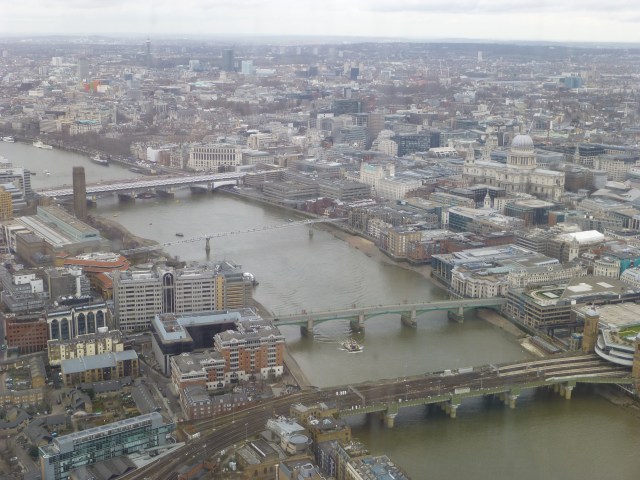
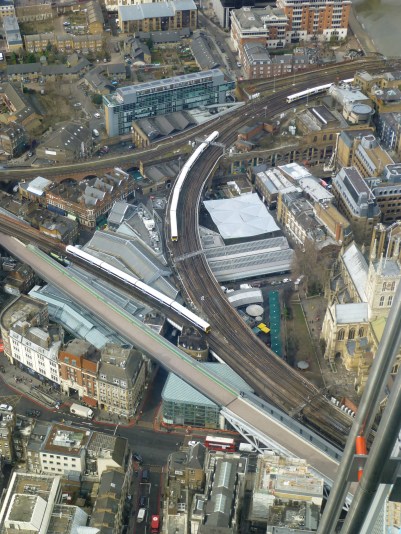
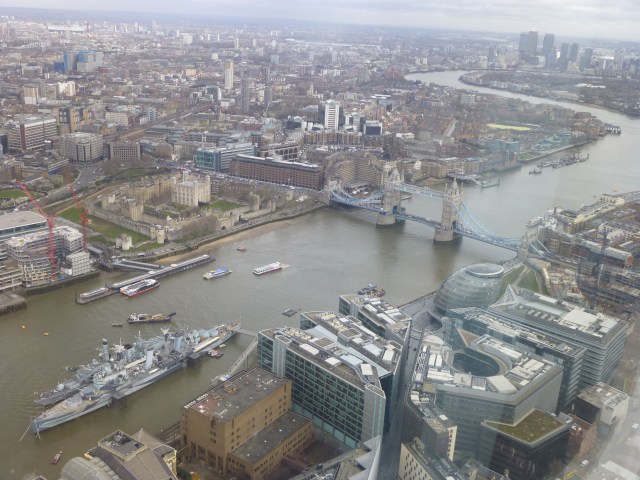
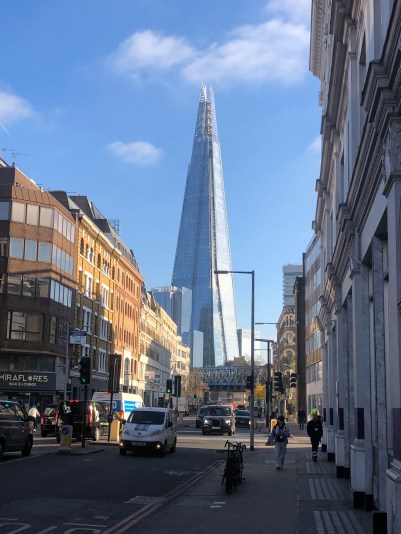
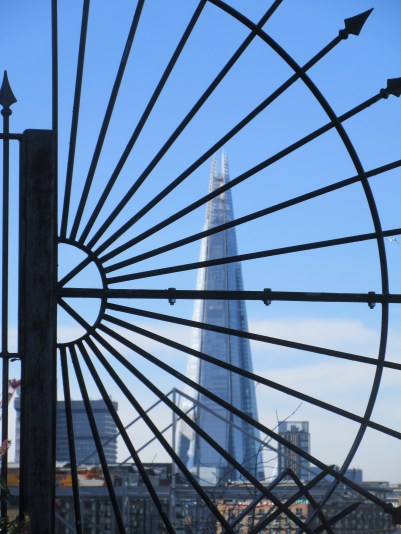
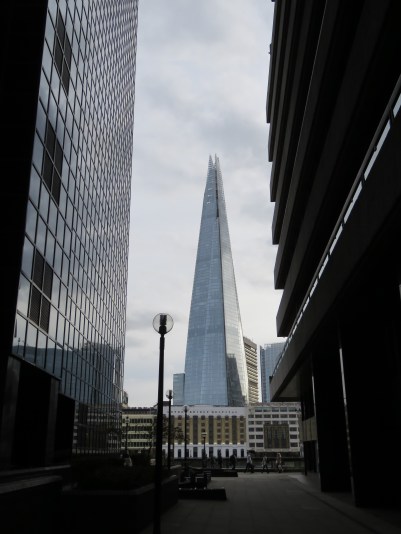
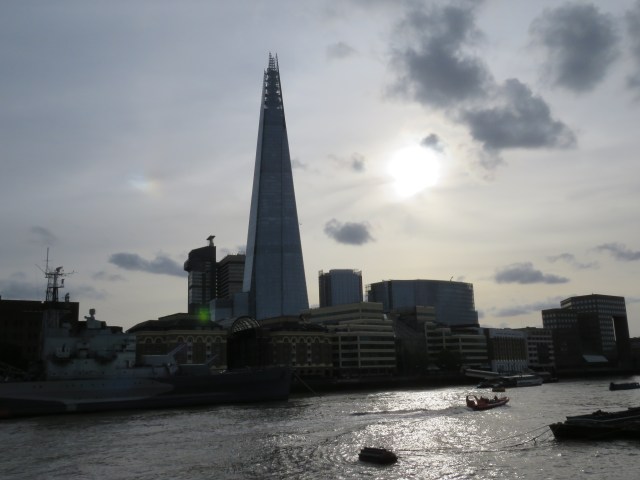
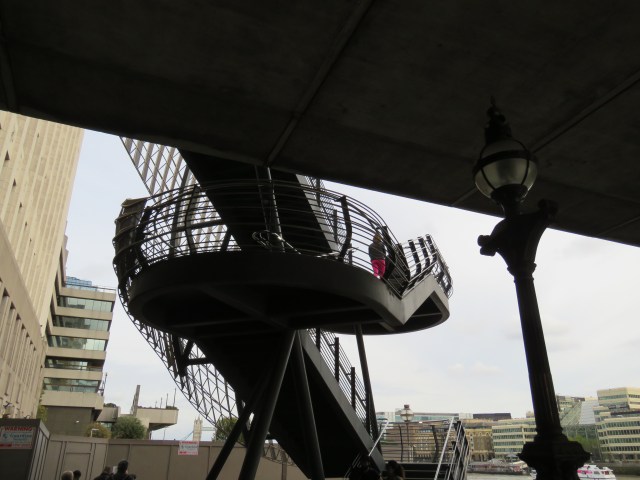
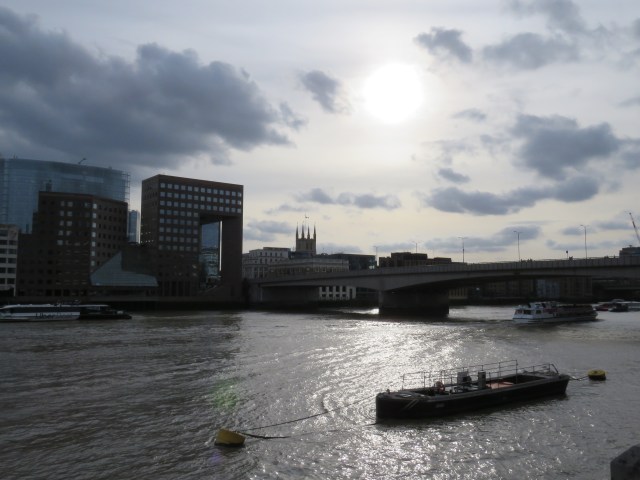
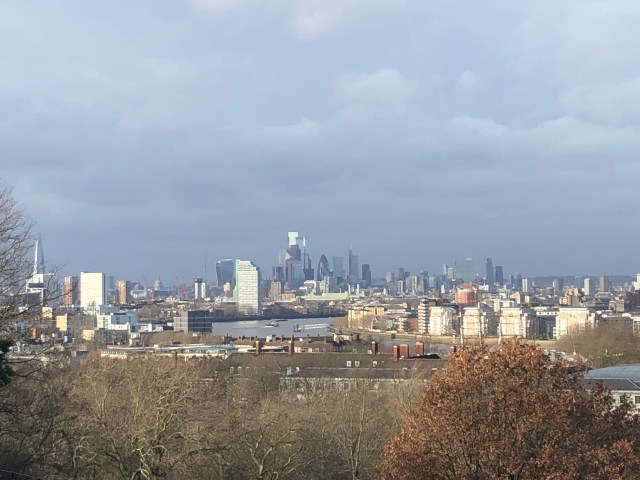
The Shard has been popping up in quite a few of the photos; here are a couple more from either end of London Bridge to whet your appetite for what comes next.

Posted in A Thames Journey, London | Tagged , , , , , , , , , , , , , , , , , , | 5 Comments

My Top Twenty albums of 2022

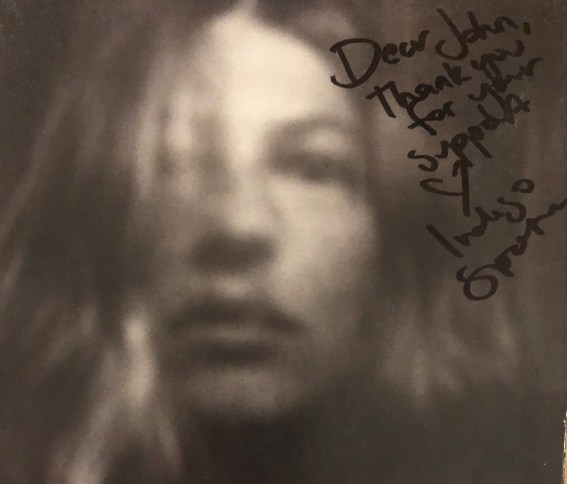
Hysteria by Indigo Sparke – CD bought and signed at the Louisiana, Bristol in November

2022 was the year when live music made its full return after the lockdowns and disruptions of the previous two years. I didn’t make a conscious decision to go to more concerts than ever before, but that’s what happened. 43 gigs and 6 festivals – two weekenders, four one-dayers. Put together, I saw getting on for 150 bands over the year, in a variety of genres, and they shaped my choice of albums of the year in quite a big way. That was partly because I find myself listening a lot to playlists I’ve compiled on Spotify these days, and some of those are quite retro. It explains why Spotify Wrapped told me that my fourth most played band this year was The Clash! But it also meant that I didn’t listen to all that many albums all the way through until quite late in the year – when I knew I needed to do this list!

My top band on Spotify, by the way, was Turnstile. Their show at the Roundhouse in February was one of the best of the year – uplifting punk metal, with a few musical twists thrown in. And their Glastonbury performance was highly entertaining too. They were my go-to band for an energising dose of rock’n’roll this year. Big Thief and The War on Drugs were in the top five as well – again because of great concerts and being on one of my most listened to playlists, which pulls together a whole host of Americana and folk. The final artist in that top five was Indigo Sparke, the Australian indie-folk singer, now based in New York. I loved her 2021 album Echo – No 2 in my top albums – and as for her 2022 release Hysteria, read on.

Before I get to this year’s top twenty, I’d like to mention four albums from 2021 that I didn’t really get to know until this year. They would all have been strong candidates for last year’s list, and this year’s too.

Four from 2021

Glow On by Turnstile. This one got an honourable mention after I first came across it at the end of the year in some of the end of the year selections. As I said above, Turnstile make exhilarating rock’n’roll which draws on punk, metal and rap – I’m occasionally reminded of the Beastie Boys. Don’t Play and Blackout are two of my favourite songs of the year, with their air-punching riffs. But you also get the eerie Alien Love Call, and the almost poppy Underwater Boi. Just huge fun. And I haven’t seen a better live band this year.

Twin Plagues by Wednesday. The Spotify algorithm pointed me to this one, after listening to Big Thief. There are some resemblances in the sound, particularly when Big Thief rock out. The first song I heard though was a beautiful country lament called How Can You Live If You Can’t Love How Can You If You Do. That’s an outlier on an album that features a lot of tangled, searing guitar, a sound of angst and rage. I could hear some My Bloody Valentine – listen to One More Last One – some grunge, some shoegaze in there, as well as Neil Young when he lets go on the electric guitar. It’s an album I come back to again and again, especially the electrifying Birthday Song. The band are from North Carolina, led by Karly Hartzman. I really hope they come to the UK soon.

Space 1.8 by Nala Sinephro. This is an amazing piece of, yes, spacey, jazz. Eight tracks, Space 1, 2, 3, etc. Nala Sinephro grew up in Belgium, with roots in the Caribbean island of Martinique. She’s now based in London, and has worked with the likes of Nubya Garcia and Shabaka Hutchings, two of the stars of today’s London jazz scene. She plays piano, synth and other electronic instruments. It’s such a gorgeous album, especially to listen to late at night. But it isn’t just easy listening – there is always a surprise around the corner.

Vulture Prince by Arooj Aftab. This is another beautiful, atmospheric, album, infused with the sounds of the Asian subcontinent, with reggae dub, with jazz, with sounds from around the world. Arooj Aftab was born in Saudi Arabia, lived in Pakistan as a child, spent some time in London and is now based in New York. She sings mainly in Urdu, but you don’t have to understand the words to be moved by the feeling. I’m a bit late to this one; she did actually win an Emmy this year for one of the album’s songs, Mohabbat, and was nominated for the best New Artist award.

The 2022 Top Twenty

No1. Hysteria – Indigo Sparke

Indigo Sparke is an Australian, based in New York. You could call her music indie-folk, but that wouldn’t capture the richness and intensity of her sound. It is a classic example of the sad but uplifting – duende – captured best in the song Sad is Love, which is not only beautiful, but strangely anthemic as it builds. The middle eight still gives me shivers at times – and I’ve been listening to it a lot! In fact it’s my favourite song of the year – on my favourite album. Last year I made her album Echo my No 2. This year she goes one better. Echo was a sparse beauty; this one is a little fuller, with production by Aaron Dessner – he of The National and Taylor Swift’s brilliant lockdown albums, Folklore and Evermore. He’s had a hand in the songwriting too. I’m thinking he is seeing something in Indigo Sparke that is really special. And I agree! There was never any doubt that this was going to be my No 1 album after I’d listened to it a couple of times. She is a major talent.

No2. Slugeye – Gretel Hänlyn

Gretel Hänlyn (pronounced hen-line) is my favourite new artist of the year. Slugeye, a seven track EP, came out in May and is a wonderful amalgam of indie, pop and rock’n’roll. It’s joyous music, though of course the lyrics are somewhat darker than the sounds. Gretel is a distinctive singer with quite a deep timbre, which gives her melodies a real resonance. The record veers from the rock’n’roll energy of Motorbike and Apple Juice, to the catchiness of It’s the Future Baby, the twist of Slugeye and the plaintiveness of Connie. All of them already crowd favourites – I’ve seen her perform twice this year, the first time being her debut show as a headline artist at the Bermondsey Social Club. There have been two more excellent singles, Drive and Today. Gretel Hänlyn is the future, baby!

No3. The Jacket – Widowspeak

I love this band. The music takes you back – to Mazzy Star, Velvet Underground, REM… and Dire Straits. But it feels fresh, and live at Studio 9294 in Hackney Wick it was something special. It’s a wistful, rolling sound, with Molly Hamilton’s dreamy vocals recalling Hope Sandoval of Mazzy Star, which is always a good thing in my book. Fellow band leader Robert Earl Thomas adds subtle guitar which rocks out just now and then. The key song on the album for me is The Drive which, over the lovely rolling beats, challenges someone who had aspirations, but never the drive. Sad or accusatory, I’m not sure. Maybe both. There are a lot of layers in Widowspeak’s music, which reveal themselves to you with each listen. Deceptively laid back – there’s a sting in the tail.

No4. Tableau – The Orielles

This is the Orielles’ third album in four years, and it’s a step change from its predecessors. While Esmé Dee Hand-Halford’s gossamer vocals and Henry Carlyle Wade’s crystalline guitars remain distinctive features, the songs are more discursive, ambient, than before. The band’s early epic Sugar Tastes Like Salt – always a highlight of their live shows – gave a hint that they might eventually head this way. The sound washes over you, envelops you. There aren’t any obvious singles on it, but there is so much to discover as you listen. A slow burn masterpiece.

No5. Dragon New Warm Mountain I Believe In You – Big Thief

Big Thief are a prolific band, and this album runs to twenty tracks. Last time I listened to it, I thought, this is Big Thief’s version of the Beatles’ White Album. Long, meandering, quite raw in places. Erring towards their folkier side, but with the occasional outburst of razor-edged guitar. And still with an element of that Radiohead weirdness. It’s a fascinating, abstract journey through the imagination of singer and guitarist Adrienne Lenker.

No6. A Light For Attracting Attention – The Smile

Talking of Radiohead, The Smile are the next best thing while the mothership remains in port. Compromising Thom Yorke and Jonny Greenwood from Radiohead, and drummer Tom Skinner from Sons of Kemet, The Smile have conjured up a smorgasbord of sounds that stand on their own, but would stand up as part of the Radiohead canon too. I particularly like The Smoke, with its dub feel, Free In The Knowledge, which has the makings of a Karma Police anthem, and the wildness of You Will Never Work In Television Again.

No7. I Love You Jennifer B – Jockstrap

Jockstrap may be the worst name in music, but the duo of Taylor Skye and Georgia Ellery (who also plays violin in Black Country New Road) have made an album that goes in so many directions that you either get completely confused or say, this is amazing. I’m inclined to the latter. Nothing is ever as it seems. There are bursts of melody, folk even; and then there’ll be a weird diversion, a loopy embellishment. There’s dance, electro, dubstep, musicals. It’s ridiculous on one level, brilliant on another. Every time I listen to it I like it more.

No8. Preacher’s Daughter – Ethel Cain

I’m new to this album, having been led to it by the magnificent song Sun Bleached Files, but I seriously considered putting it straight into the top three. I was bowled over on the first listen. On one level you can hear the likes of Phoebe Bridgers, Julien Baker and Sharon van Etten; and there’s a bit of today’s soul-pop production in places. But it has an eeriness and a dramatic quality that goes beyond all of that. It’s reaching out to something that can’t quite be grasped. I’m beginning to think it might be a modern Darkness on the Edge of Town.

No9. Pre-Pleasure – Julia Jacklin

In Pressure to Party from her last album, Crushing, Julia Jacklin sings I’ll open up the door and try to love again soon. Pre-Pleasure is the sound of Julia tentatively making her way back into the world of love and relationships. It’s a fragile balance though – on the song Neon she muses, am I gonna lose myself again? The music fits this mood. More piano-based than before, it’s mostly subdued, reflective – and rather beautiful, as always. Julia is channelling her inner Fleetwood Mac at times too, notably on Love, Try Not To Let Go.

No10. Caroline – Caroline

In a record shop you could file Caroline’s debut album under folk, indie, world, prog, even jazz. It has elements of all these, and more. It’s an intriguing, and yes, challenging listen; but the more you do, the more it rewards you. And live, where the songs are bent, stretched, embellished in all sorts of ways, it is truly astonishing. An eight strong music collective from south London, Caroline are on a musical journey that could lead anywhere.

No11. I’m Not Sorry, I Was Just Being Me – King Hannah

King Hannah operate in a space where Mazzy Star meet Neil Young and the blues. Craig Whittle’s guitar playing is a thing of wonder.

No12. Big Time – Angel Olsen

Big Time is Angel Olsen’s coming out album, and she celebrates the moment by delving further into the sounds of country music than previously. A warm, affecting collection of heartfelt songs.

No13. Fear Fear – Working Men’s Club

WMC have always sounded like New Order were an influence, but never more so than on this album. Back to the 80s with some truly infectious beats.

No14. Se Ve Desde Aqui – Mabe Fratti

More beguiling sounds from Mabe Fratti, a Guatemalan cellist based in Mexico. Her music combines the cello with swirling synths, discordant sax, jagged guitar and juddering drums, as her voice, Kate Bush-like floats over it all. The title in English is It is seen from here. I’m none the wiser!

No15. Midnights – Taylor Swift

Taylor returns to her pop base after the more contemplative diversions of Folklore and Evermore. But those albums have left their mark, and she is still looking back and asking questions. Maroon and Karma are highlights for me, but there will more, I’m sure.

No16. Third Page: Resonance – Sun Mi Hong

I bought the CD of this album after seeing Netherlands-based Korean drummer Sun Mi Hong and her band play in the Purcell Room during the London Jazz Festival. It fits the avant-garde bill, but there are moments of real beauty too, especially on the poignant Letter With No Words, addressed to her father.

No17. Reflections – Alina Bzhezinska and the Hip Harp Collective

I saw Ukrainian harpist Alina Bzhezinska and her band play at King’s Place this year. The harp adds a lovely dimension to this collection, which has a Parisian sheen and pays tribute to the music of John and Alice Coltrane.

No18. Life and Life Only – The Heavy Heavy

This seven track EP – the band’s debut – is an unashamedly retro celebration of 60s and 70s rock, particularly as played on the US west coast. Live, the Heavy Heavy are an absolute joy. Highlights here are the rolling rhythms of Miles and Miles and the soulful Go Down River.

No19. We’ve Been Going About This All Wrong – Sharon van Etten

Tender and bruised, angry and defiant, with music to match, this album, billed as her reflections on life in the pandemic, covers all of Sharon van Etten’s bases. Intense and engaging as always.

No20. Hyper Dimensional Expansion Beam – The Comet Is Coming

The title says it all! Cosmic electro-jazz, powered along by the extraordinary saxophone sounds of Shabaka Hutchings – the master.

Honourable Mentions

Warm Chris – Aldous Harding; Blue Water Road – Kehlani; Remember Your North Star – Yaya Bey; Where I’m Meant To Be – Ezra Collective; When Everything Is Better I’ll Let You Know – Pip Millett; Could We Be More – Kokoroko; Feeding The Machine – Binker and Moses; 11 – Sault; Sometimes, Forever – Soccer Mommy; Congregation – Witch Fever; Skinty Fia – Fontaines DC; LP8 – Kelly Lee Owens; Loggerhead – Wu Lu; Conduit – Coby Sey; Blue Rev – Alvvays; Being Funny In A Foreign Language – The 1975; Same Moon In The Same World – Ant Law and Alex Hitchcock; Sorrows Away – The Unthanks; The Car – Arctic Monkeys, Cub – Wunderhorse; Tired Of Liberty – The Lounge Society, Autofiction – Suede; Void – Scalping.

There’s some great music in this list. In many cases the albums could easily be in the top twenty if I’d been able to listen to them more. But then again, what would I leave out? If jazz, funk and worldwide sounds are your thing, Ezra Collective and Kokoroko might appeal. If it’s jazzy soul, with hip hop and reggae influences, Kehlani, Yaya Bey and Pip Millett are recommended. Pip Millett is a favourite of my daughters. Erykah Badu and Amy Whitehouse are clear influences. Sault cover all of the above. Led, we now know, by producer Inflo, they released five albums on the same day in November! I haven’t had time to absorb them yet, but there are some lovely soul sounds on 11, reminiscent of 2020’s masterpiece Black Is. For some hardcore, driving jazz, try Binker and Moses. That’s the ace drummer, Moses Boyd. For a more mellow jazz experience, Ant Law and Alex Hitchcock, who I saw with Sun Mi Hong (No16 above) do the trick very nicely. Coby Sey’s album is darkly atmospheric, in the mould of Tirzah, in whose band he plays. And Wu Lu fuses rap with hardcore punk and rock. At its best – the song South especially – it is visceral.

There’s a variety of what might be categorised as indie records on the list. Very new to me is the angry punk sound of Witch Fever from Manchester. Lounge Society are this year’s sound a bit like Squid entry, with a bit of the Libertines in the mix. They’re good live. I love Alvvays but have only listened to Blue Rev once. It’s bound to grow on me. Soccer Mommy’s album is grungier than earlier efforts and worked well live. The 1975 took me back to, well… 1975. Suede’s latest is impressive and I’m looking forward to seeing them live next year. Wunderhorse occasionally fly too close to Britpop, but there are some epic guitars on the likes of Butterflies. Meanwhile, if you enjoy piledriving industrial beats, then Scalping might be for you.

The Unthanks album is a rich blend of folk sounds, old and new, with the voices of sisters Rachel and Becky beautiful as ever. Half of Aldous Harding’s Warm Chris is of the usual high standards, but I found it petered out a bit towards the end. Brilliant live at End of the Road though. Kelly Lee Owen’s LP8 conjures up a brooding atmosphere, but has one or two cringe moments. I’ve tried hard with Fontaines DC’s Skinty Fia, and Jackie Down The Line is good, but it’s just rather dull – as was their recent concert at Hammersmith Apollo. A rethink needed, I’d say. That leaves Arctic Monkeys. The Car has had some rave reviews. I thought they were very good on Jules Holland. But Alex Turner doing his David Bowie croon doesn’t really do it for me over a whole album. Give me I Bet You Look Good On The Dancefloor any time!

So, another great musical year, and I’m already looking forward to another in 2023. Already have a nice line-up of gigs in addition to the festivals, including Gretel Hänlyn, The Murder Capital ( back at last!) Gwenifer Raymond, Killing Joke, Biig Piig, Suede, a couple of jazz guitarists, Lee Ritenour and Matt Schofield, Alvvays, and then…. Turnstile! AND then…. Brooooooce!!! Hyde Park in July.
Which reminds me, I’ve completely forgotten to listen to Bruce’s soul covers album, Only the Strong Survive, all the way through. On the basis of what I have heard I think I can live without it.

Terry Hall, RIP

And finally, respect to Terry Hall, singer with The Specials, as well as Fun Boy Three and the Colourfield, who died recently. His droll but incisive delivery was an important part of The Specials’ appeal. As part of the 2 Tone label they played such an important part in bringing people of all backgrounds together for the love of ska and reggae music. And it was music with a message, notably on the classic Ghost Town – an indictment of the state of Britain in the early 80s, as the Thatcher government fought inflation (and the unions) with the most brutal of recessions. More than anything though, the best Specials music just made you want to dance. Gangsters, Message To You Rudi, Too Much Too Young, all wonderful. Of their time, and timeless. Rest in Peace, Terry.

Posted in Music - concerts, lists, reflections, Music - Top Tens | Tagged , , , , , , , , , , | 3 Comments

Sportsthoughts (171) – Reflections on the World Cup as England bow out

So now it’s 56 years of hurt (for the men’s team that is). That means in the 2026 World Cup it will be 30 years since Baddiel, Skinner and the Lightning Seeds first sang, thirty years of hurt. Thirty years since thirty years! That’s a lot of hurt – unless, of course, we win the Euros in 2024. I’m not counting on it.

But did it really hurt? For me, not really. Maybe it’s age, maybe it’s the lowering of expectations after all the near misses – or maybe it’s because England were good in this World Cup. They were brilliant against Iran, mediocre against the USA, decent with flashes of excellence against Wales and pretty impressive against Senegal, who were, after all, the African champions. We went into the France game thinking we had a chance, and played our part in an evenly-matched game, decided by France’s more clinical finishing and that penalty miss…

Fortune’s always hiding, as we like to sing at West Ham.

England have played in 16 World Cups from 1950, their first. They rather snootily refused to participate before that. They have reached 7 quarter finals including this one, two semi finals and, of course, won in 1966, since when the hurt clock has been ticking. Some good teams have been knocked out in the quarters before, notably the 1970 team and arguably the 2006 golden generation. They have also failed to qualify on three occasions: for the 1974, 78 and 94 tournaments. So going out to France in the quarter finals on Saturday was a kind of average achievement. But it felt better than that.

Why is that? I think it’s a mixture of things: goodwill, potential and the strange circumstances of this tournament.

First, the goodwill. The 2021 Euros, badly though they ended in the final – especially the behaviour of some fans – generated a good feeling about this England squad. A young, diverse, united team, not beholden to the old cynicism and rivalries. Led by an enlightened and articulate manager in Gareth Southgate. That all carried on into this competition.

Second the quality and potential of the team itself. It has weaknesses, of course, but there are so many exciting players, with more to give. Saka, Foden, Bellingham, Rice, Rashford to the fore. A steady defence, if a little vulnerable in the centre. A concern about what happens when Harry Kane isn’t fit. But strong foundations. I think we can be optimistic about the future.

Then there is this tournament. The circumstances in which Qatar won the bid. The human rights issues, the treatment of workers. It’s not as if World Cups haven’t been staged in reprehensible countries before, but with social media what it is today, this competition had a downbeat feel before it started. And for us in the northern hemisphere, it’s taking place in winter, and has disrupted our domestic leagues. It’s hard to be sure, but I think it has made us feel more detached from events on the field. Adults that is – the kids are as passionate as ever.

Put all this together, and it didn’t feel as bad when England were knocked out as it has in the past. And when you think about all the other top teams who have been eliminated early – Brazil especially, but also Belgium, Germany, Spain and Portugal – we are not alone. Early, of course, is relative to expectations. I think the Brazilians must be suffering most. The World Cup was theirs for the taking. There was hubris in the team selection for the quarter final against Croatia – essentially five attackers and just one defensively-minded midfield player in the front six of the nominal 4-3-3. It was more of a 4-1-1-4. Naturally the Croatians, an experienced and talented team, who got to the final last time, controlled midfield for most of the game. And they know how to take penalties.

So what now? France are probably the best team left, but I have a feeling that Messi might drag Argentina past Croatia in Tuesday’s semi-final and then light up the final. It’s his last chance. It would be a great story. But just as likely, it will be Mbappe and Griezmann – the best player in the England-France game by a mile – stealing the show. Unless of course, Morocco do what Greece did in the 2004 Euros.

It couldn’t happen, could it?

Posted in Sportsthoughts | Tagged , , , , , | 5 Comments

lovelondonscenes 173 – A walk from Blackfriars to Hackney Wick in the winter sunshine

On Thursday it was chilly – 2 degrees at most – but gloriously sunny. Dave, Jon E and I had arranged a walk that started with breakfast at the Table cafe in Southwark Street, and ended in Hackney Wick, which I wanted to revisit in the daylight after my recent trip there to see Widowspeak at Studio 9294.
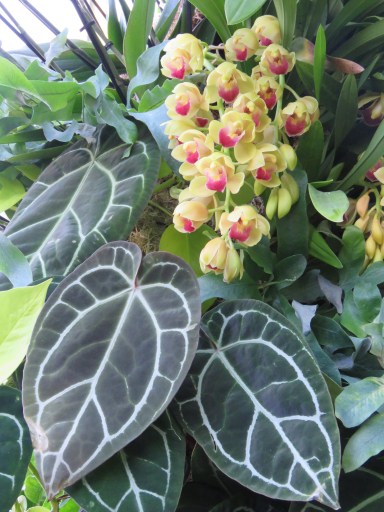
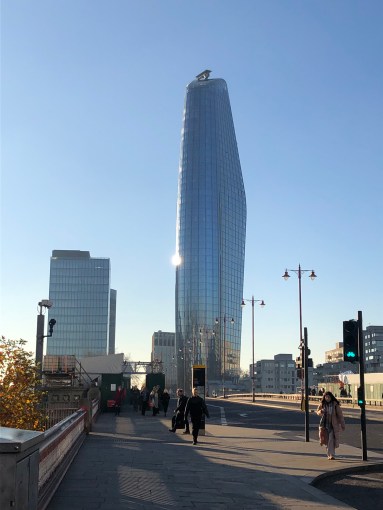
I took the tube to Blackfriars, and enjoyed the walk over the bridge, with the One Blackfriars tower glistening in the sun.

On the way along Southwark Street to the Table cafe you could catch views of the Tate Modern, a short distance away, by the Thames.
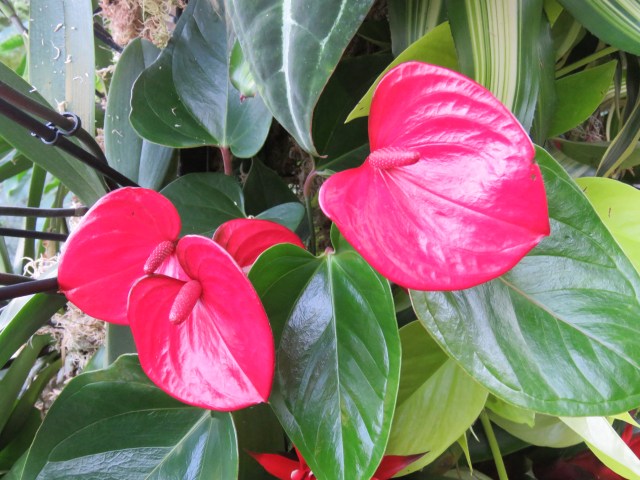
The Table is an excellent place for breakfast and brunch. Scrambled egg and smoked salmon, with a side dish of spinach, is a great start to the day, as far as I am concerned!

Coming out of the cafe there was a great view of the Shard to the east.

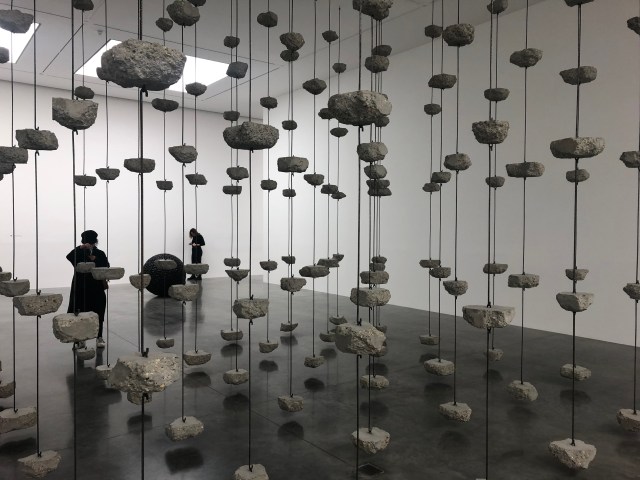
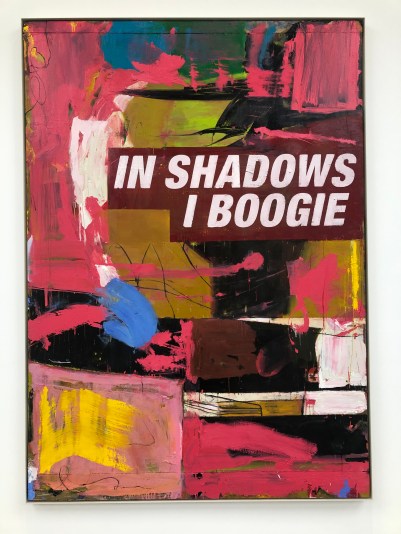
We headed past Borough Market, then down St Thomas Street, past London Bridge station and the Shard to Bermondsey Street, where we popped into the White Cube gallery to take a look at the Harland Miller exhibition.
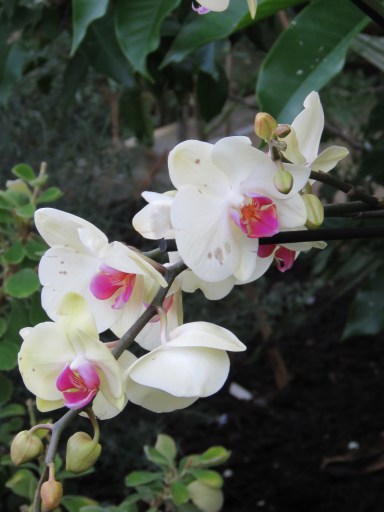
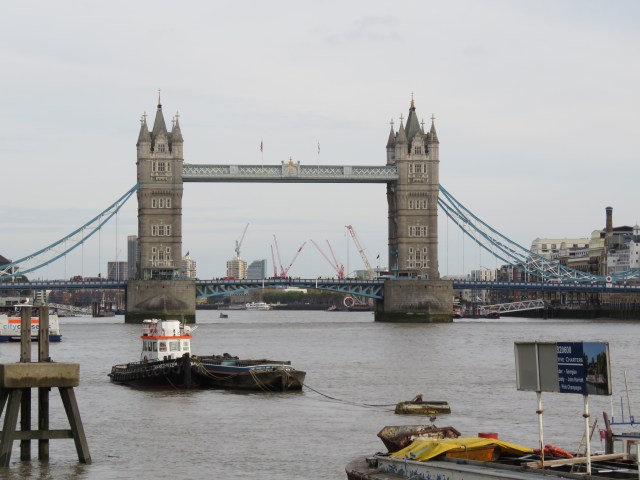
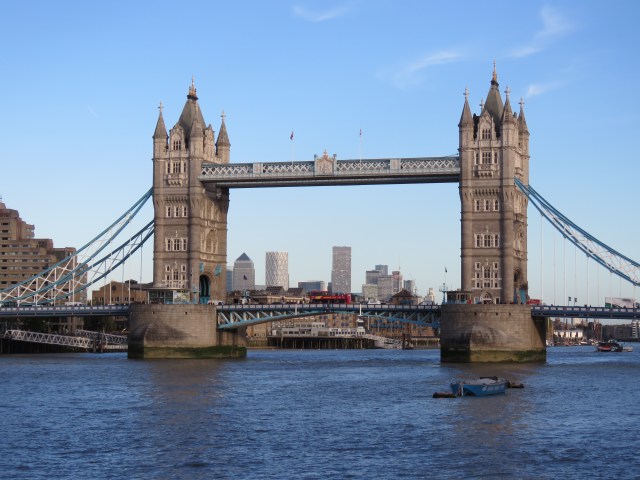
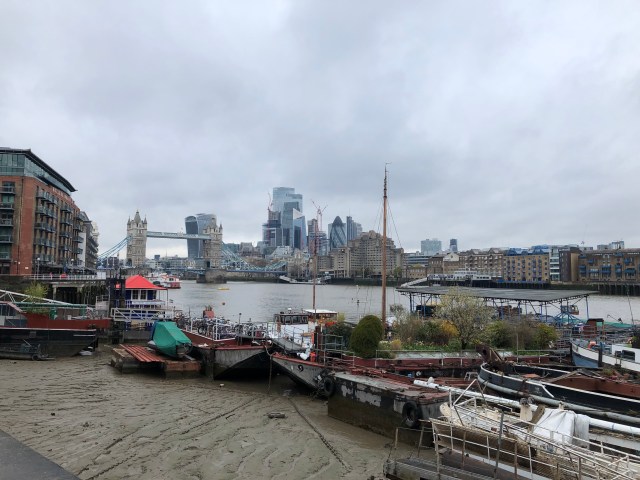
Then it was along to Tower Bridge. The bridge was up, so we had a wait, but the views were enough to keep us occupied.

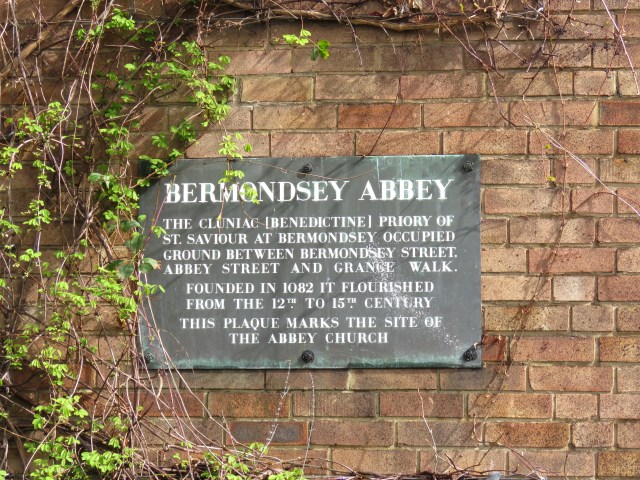
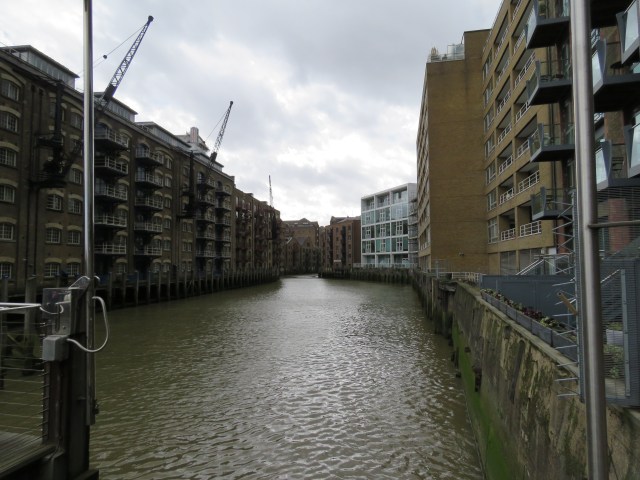
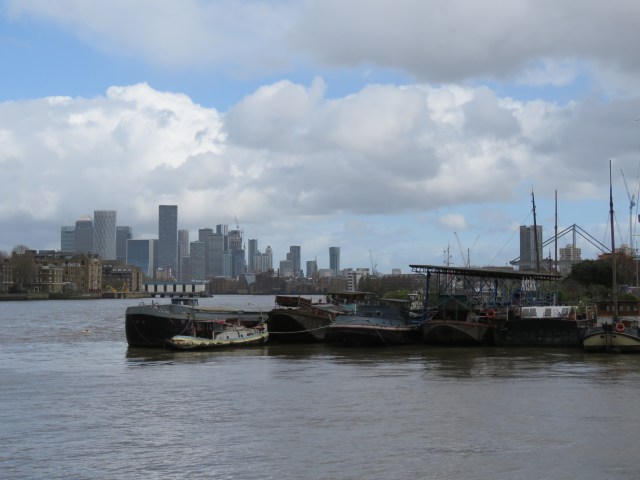
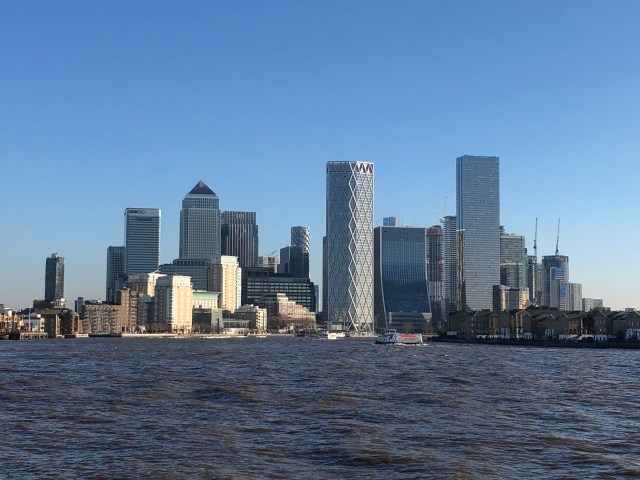
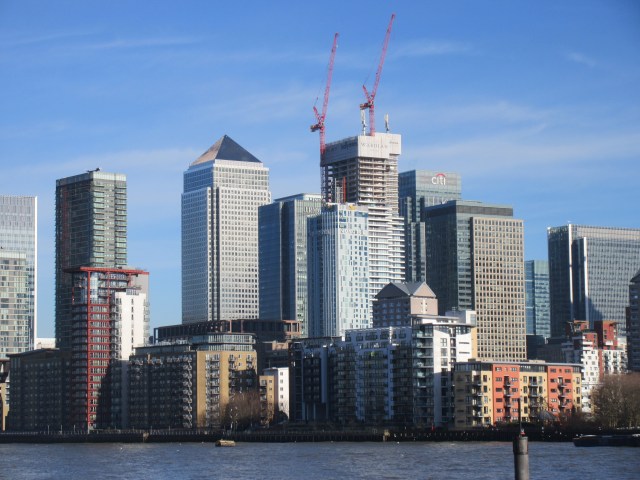
The walk from Tower Bridge to Limehouse is only occasionally right along the river, but one spot gives you this great view of Canary Wharf in the distance.

Just before going up to Limehouse Basin, we stopped for a beer at the Grapes, one of the pubs along the route which are among the oldest in London. The Grapes dates back to the 16th century. Later, Charles Dickens was a patron, and his novels and images line the walls.

Limehouse Basin is the end point of the Regent’s Canal and the River Lea Navigation, also known as Limehouse Cut at its bottom end. We took Limehouse Cut up to Bow Locks and Three Mills Island. A fascinating area – mostly industrial, but also a little piece of Bruges in East London.

From there it was along the Lea Navigation, past the London Stadium – the home of my football team, West Ham – to the White Post Lane bridge. Some great views of the stadium from the bridge.

From there it was straight into Queen’s Yard, an old industrial yard, now converted into a number of bars and restaurants. The Yard Theatre and Hackney Wick Overground station are close by. I was hoping to start in the Howling Hops, which I enjoyed before the Widowspeak concert, but it was closed for a private function. Fortunately there was an alternative in the same space, which I’d planned for us to visit anyway – the Crate Brewery. A converted print factory, I believe. Beer brewed on the premises, and top quality, as was the crispy pizza we shared.

It was a great place to spend a couple of hours. After that Jon left us for a Christmas party down in south London. Dave and I made our way to Bethnal Green and spent a few hours in the Renegade Urban Winery, under the arches near the tube station. They make their own wines, from imported grapes (and some from England). All really nice, quirkily given people’s names. In the course of the evening we sampled Janet, Alf, Sara and Courtney! The food – tasting plates – were good too.

8-9 miles of walking, endlessly fascinating and in splendid sunshine. Four excellent eating and drinking experiences, and a little bit of art on the side. A nice balance, you could say!


Posted in London, Photos - lovelondonscenes | Tagged , , , , , , , , , , , | 4 Comments

BP and solar power – a missed opportunity

I worked for BP for most of the 80s, first as an economist, then in mergers and acquisitions and finally in business planning in Paris. I had a great experience over the years and learned a lot that stood me in good stead in later times. So, much as the company is reviled for its hydrocarbon production and investment these days, I retain an interest in what it is doing. I mention this as context for my story here.

I read recently that Lightsource BP – a joint venture in which BP has a 50% stake – had just delivered its first solar project in India. A good thing, I’d say, whatever you think of the wider company. But it also made me chuckle, and ponder on what might have been,  because of an experience that I had back in late 1984, or maybe 1985. The memory is hazy about the date, but not the experience.

At the time I was in the HQ economics team in London. In the City, not far from Moorgate tube station. I was the economist for East and South Asia, amongst other things. In 1984/85 it was agreed that we should make a trip to India, to explore its investment potential – especially in the area of solar power. I was 25 (or maybe 26) and very excited about this. I’d been to India – Mumbai and Goa – once before, but the chance to discover new places and to help BP pioneer solar power in the country, was a wonderful opportunity. Plans were made, interviews and visits arranged, hotels booked. It was taking shape.

I went out and bought myself a lightweight suit. Not a colonial beige, but a light grey Prince of Wales check, double breasted, baggy in the style of the time. One of my friends later said I looked like a spiv in it, but I thought it was cool. It would work for India and back home. It was going to be so good!
And then the message came down from the Chairman’s office – the trip was off. I heard – second hand, so who knows what was really said – that the Chairman didn’t give a f*** about India. He was getting BP to concentrate on its core business after a period of diversification, which included the purchase of an American dog biscuit company!  He also instituted some cost cutting in head office, which included getting rid of the tea ladies, who brought round tea/coffee and biscuits (Penguins once a week) in the morning and afternoon. We were gutted. And I was gutted about the cancellation of my trip to India, though the suit got good use for a few years before it went out of fashion. The tea ladies were redeployed to the canteen, which survived for a few more years. Still employed, but they looked sad there – there had been a bond with all of us when they came round the office twice a day.

So I never got to India with BP, though I did later have fascinating trips to South Korea and New York; and, in my last job at the company, work in Paris for a year or so.

But what an opportunity BP missed all that time ago to pioneer investment in renewable energy in a country that, in its vastness, with many of its rural areas not linked to electricity grids at the time, was perfect for a new approach to energy provision.

The world is paying the price for all the missed opportunities of the past: some wilful, some because of the laws of capital, in which short term profit and shareholder value trumps all. Big energy companies aren’t run by bad people, but they answer to demands – from shareholders, from all of us, with our cars, our plastics, our energy needs – that haven’t yet adapted to the needs of the planet.

So, the new investments by Lightsource BP must be welcomed; but what a shame that the biscuit-denying chairman of BP decided he couldn’t give a f*** about India all those years ago!

Posted in Politics and social, Random stuff | Tagged , , , , | 2 Comments

The Heavy Heavy at the Louisiana, Bristol, 30 November 2022

The Heavy Heavy are a Brighton-based band playing retro rock with a modern twist. They are fronted by Georgie Fuller (vocals and keyboards) and Will Turner (vocals and lead guitar). Their sound evokes the rock music of the late 60s and early 70s – think all those West Coast Laurel Canyon bands, British rockers like Fleetwood Mac and the Rolling Stones, and even the likes Lynyrd Skynyrd. In my pre-punk youth I was a great fan of Skynyrd, Free, Bad Co, the Stones and Led Zep, but hated all that Californian soft rock (though I did, of course, make an exception for Fleetwood Mac’s Rumours). I’ve changed over the years though, and love a lot of it now. Joni Mitchell and Neil Young led the way, but I even sneak a listen to the Eagles from time to time these days! 

I was ready for The Heavy Heavy.

I first heard the band earlier this year by chance on a Sunday morning, when I was listening to Cerys Matthews on 6 Music. Her show is well worth a listen if you haven’t heard it, spanning music from across the globe, genres, eras. This song with a rolling rhythm, infectious melody and classic guitar solo came on and it grabbed me instantly. It was Miles and Miles by The Heavy Heavy. Naturally the next thing I did was to check out what they had on Spotify, which was a seven track EP called Life and Life Only. That was a delight too – full of the riffs and the harmonies from those 60s/70s bands. But not just a tribute band – The Heavy Heavy had stamped their own personality on that classic sound.

Next thing was to see them live, an opportunity afforded to me a couple of months later at End of the Road. They played the lunchtime slot on the main stage on the Saturday, not necessarily a great time to get the crowd going. But they absolutely did. There was such energy and joy in the music and the way they played, that most people in a good-sized and growing crowd were dancing, swaying, toe-tapping. A highlight of that show was a cover version of Janis Joplin’s Piece of my Heart, with Georgie really giving it some on the vocals. Sensational, one of the best moments of the festival for me.

The Heavy Heavy at End of the Road

So when a UK tour was announced I had to see them again. Only problem was, I already had a gig on the date of their London show. No matter, that was another opportunity to pop down to Bristol. Kath came along with me – she’s a fan of Bristol too. They were playing the Louisiana, like Indigo Sparke just recently. This time the venue was sold out. It’s not massive – 140 in the space above the pub – but there’s a good atmosphere. We caught about half of the support band Hunny Buzz. Fronted by the charismatic Lydia Read, they played a lively pop-punk that reminded me of a band like the Beths, even my old favourites Honeyblood. They set things up nicely for the main act.

Hunny Buzz

The Heavy Heavy came on around nine o’clock to the Rolling Stones’ Can’t I Hear You Knocking? – a fine choice! –  and launched into an instrumental. I’m not familiar with all their songs just yet, but the harmonies of their most-streamed song Down by River were unmistakeable a couple of songs in. It’s such a joyous song, brimming with that feel of the late 60s. As well as Georgie and Will, the other guitarist and the bassist joined in some of the harmonies, which really made them resonate. They bounced around the stage too – there’s a wonderful danceable rhythm to The Heavy Heavy’s music.

They played for about an hour. We would all have liked more. There was no Piece of my Heart this time, though Georgie gave it her all on a couple of other songs, including Sleeping on Grassy Ground, which is on the EP. There were a couple of covers, which just happen to be their last two singles: Real Love Baby (by Father John Misty) and Guinnevere, which has just been released. Tellingly, the original was by Crosby, Stills, Nash and Young. That’s a pretty dreamy number; they tail-ended it with some riffing which is the sort of thing Black Midi would do.* Miles and Miles came late in the show, which ended with another instrumental. That was interesting – shows the band have a lot of confidence in what they are doing and how the audience will react.

It’s not surprising that The Heavy Heavy have already become popular in the US, with another tour already lined up for 2023. There’s a huge market for nostalgic rock’n’roll there. It might be a slower burn here in the UK, but I think the strength of their songs as well as their influences, will attract a decent following. Georgie paid tribute to Christine McVie, who’d died that day, during the show. Her band, Fleetwood Mac, one of those influences.

The Heavy Heavy’s music is rooted in what many would regard as the golden age of rock music. They are taking it to new generations, as well as providing a joyous reminder to those of us who might have experienced it first time around, or second, or third… Music is always recycling and evolving – that’s why I still love being on the journey.  

 *Setlist FM has an entry for the show which looks pretty authoritative. It doesn’t include Guinnevere, but I’m pretty sure they not only played it, but introduced it, which they didn’t do for many songs. In the words of Radiohead, I might be wrong!  


Posted in Music - concerts, lists, reflections | Tagged , , , , | 2 Comments

London Jazz Festival: Sun Mi Hong Quintet and Ant Law/Alex Hitchcock at the Purcell Room, 17 November 2022

The Sun Mi Hong Quintet

The London Jazz Festival ran from 11-20 November this year. Kath and I went to a couple of events; I would have liked to go to more but already had an unusual number of concerts lined up in November. The first was Chicago x London at the Barbican on the 12th. A coming together of artists from those two cities, mainly Chicago. Turned out to be a bit of a mixed bag, the highlight being the solo guitar of Jeff Parker, who was first on. He’s got an enjoyable album from 2021 called Forfolks. On the night a highlight was his interpretation of Frank Ocean’s Super Rich Kids. Ben LaMar Gay and band were interesting, avant-garde, percussive with some afro-beats. Wouldn’t mind hearing more. Angel Bat Dawid was spiritual, but musically it was a bit of a mess, and Theon Cross on tuba didn’t get much of a look-in. And, disappointingly, London’s main representative, Alabaster Deplume, got off to a terrible start with a ridiculous hippyish rant which rather coloured the rest of the show for me. He had a large band too, which never really got to contribute much. Shame, as I’d been looking forward to seeing him after hearing a few of his tunes on 6 Music. Another time maybe – he’s a regular at the festivals.

Jeff Parker

The second event I chose fairly randomly from the programme. The same night at the Queen Elizabeth Hall, in the same part of the Southbank as the Purcell, there was an interesting looking tribute to Joni Mitchell. But the description of Son Mi Hong’s background and music in the programme looked intriguing, and it had the virtue of being much cheaper! Son Mi Hong is from South Korea, but has been based in the Netherlands for the last ten years or so. She plays the drums. She’s been working with the same band members for a while: Alistair Payne on trumpet, Alessandro Fongaro on bass, Nicolo Ricci on tenor sax, and fellow Korean Chaerin Im on piano. It turned out she had a new CD due for release the day after the concert, called Third Page; Resonance. It was available on the night, and after a stunning show I had to buy it!

The support act was a duo, Ant Law on guitar and Alex Hitchcock on saxophone. They only had half an hour, but they made very good use of it. I really liked their sound, and the interplay between the two instruments. I loved Ant Law’s guitar playing: subtle, expressive and inventive. They played four pieces, and Sun Mi Hong joined them on drums for the last two. I bought their 2022 CD after the show too. It’s called Same Moon in the Same World, and it makes for great, relaxed listening. There’s a full band on the album, and it reminded me a little of an 80s duo I saw a few times called Morrissey Mullen.

Sun Mi Hong’s show was a revelation. The band were superb, so together. Lots of virtuosity, but always complementing each other. The interaction of the trumpet and sax was tremendous. Chaerin Im’s piano was understated, but so important to the groove. The mostly double bass sound accentuated that groove, while Sun Mi Hong’s drumming was sensational. There was no part of her kit that didn’t get brought into play at some point. Such variety: sometimes quietly underpinning a solo from one of her colleagues, other times driving through the beat with some complex rhythms. A fascinating visual as well as aural experience.

The music was pretty adventurous – this was not jazz easy listening. But there was one song of beautiful, affecting simplicity. It was called Letter With No Words and Sun Mi Hong introduced it with a story about her relationship with her father. Back in Korea he never said much to her, rather disapproved of her unconventionality. But then he started writing letters to her, expressing his love. In the Netherlands during the pandemic, she didn’t see her family for two-and-a-half years. That yearning to see them and reply to her father led to this tune, the letter without words. It featured a beautiful, lengthy trumpet solo by Alistair Payne at the beginning, which reminded me of Chet Baker’s trumpet in Elvis Costello’s Shipbuilding. I found it very moving – the sound and the sentiment.

I took a bit of a punt on this show, but it certainly paid off. It was a wonderful night of music, and I’ll definitely be looking out for future performances of both Sun Mi Hong and her band, and Ant Law and Alex Hitchcock. I’d recommend both the albums I mentioned earlier – and, indeed, Sun Mi Hong’s second album, which I also bought on the night. It’s called Second Page: A Self-Strewn Portrait. I haven’t been able to find the first page on Spotify, but there must be one!

Finally, I should note that Sun Mi Hong’s show was also part of the K-Music Festival, London’s Festival of Korean Music. This is in its ninth year and is organised by the Korean Cultural Centre UK. Sun Mi Hong was effusive in her praise for the support she and her band had received from them. I’d not been aware of the festival before, but it’s one to look out for next year.

Posted in Music - concerts, lists, reflections | Tagged , , , , , , , , | 2 Comments