Sportsthoughts (84) – Is Big Sam the new Guardiola?

imagesimages                                                         Pep                                                           Sam

So, West Ham, sliding into the bottom three, no decent fit strikers, lost games against Stoke and Hull, the sort that need winning to make the top half. Not scored away from home. Spurs, preening themselves in the top four, having bought some classy players, especially midfield maestro, Christian Erikson from Ajax.

An absolute home banker for Spurs last Sunday. Even though they’d had a Europa League game in Russia on Thursday….

Tottenham Hotspur 0, West Ham United 3

Truly amazing. I was preparing the dinner on Sunday – the game wasn’t on TV live – and even on the radio, the featured game was West Brom v Arsenal. Update in second half, a goal at White Hart Lane. Oh no, I groaned. Then, oh yes! Winston Reid, one-nil to the Irons. That’s OK then, we might get away with a draw…. shortly after, more news from the Lane, here we go, 1-1… No! 2-0 to West Ham. Vaz Te. Surely now, we’ll definitely get a draw at least. Then, a few minutes later, another goal. 3-0! A brilliant solo run from Ravel Morrison. I punch the air in the kitchen. 3-0!

It stays that way. Another wacky Premier League result. How did it happen?

Well, of course the analysis started with why Spurs were so bad. It’s always about the top teams. And playing in the Europa League on Thursday seemed to be the main reason, even though only four of Spurs’ players started in that game.

But eventually some credit started to be given to West Ham. First up, it was all about the third, wonder goal. Ravel Morrison, the immensely talented bad boy, who was so badly behaved that Man Utd gave up on him. Even Fergie admitted defeat. West Ham bought him a couple of years ago for a mere £650,000. Shipped him out on loan to Birmingham last year. Now he’s back, 20 years old, more mature and starting to show what he can do. High hopes.

But it wasn’t all about Ravel Morrison. It was about the team and their tactics. Big Sam finally gave up on non-goal-scoring striker Maiga, and played a Barcelona/ Spain-style 4-3-3, or 4-6-0. A buzzing midfield with no focal point up front. Just lots of mobility and players taking turns to be the false nine. I love that phrase. It’s so redolent of Spanish excellence: Messi, Pedro, David Villa, Silva. Not something you would associate with Big Sam’s long ball West Ham. The team with the worst pass completion rate in the Premier League and the most fouls.  (I weep inwardly at this, with West Ham’s tradition as the home of good football).

But no, yes, it was West Ham on Sunday who got all sophisticated, had Morrison and Diame as alternating false nines, absorbed Spurs’ pressure and hit them in the second half with three goals. Maybe the absorption and quick breaking was more Mourinho than pressing Guardiola, but the flexibility up front was pure Pep.

Big Sam did once claim he could be a successful manager of Real Madrid, given the chance. He was roundly mocked. But who knows?

I had a look at the Opta Index stats, courtesy of the 4-4-2 magazine website.

West Ham successfully completed 239 passes, from 321 attempts. 74%. Spurs completed 418 from 512. 82%.

Spurs had 60.8% of the possession, West Ham 39.2%.

In the attacking third of the field, Spurs had 141 passes, West Ham 85.

But West ham had 16 shots to Spurs’ 14 and won the game 3-0.

So Spurs faffed around and West Ham, for once, were clinical.

Four out of five of Spurs’ top passing combinations were one defender to another. Messing around at the back. That’s not what Barcelona do. So many of their passes go forward. Then back and occasionally sideways, but mostly forward. Spurs went nowhere, occasionally lost it, and in the second half, West Ham pounced.

I still like the way Spurs play at the moment over West Ham’s style. But just this once, Big Sam’s team played with real sophistication and reaped the reward.

Andy Carroll should be back in a few weeks and then it will be long balls up to the Big Man. But in the mean time, it will be interesting to see how the Irons go on from what was an astounding win, which has the potential to turn the season around.

Only problem: next game is against Man City!
Posted in Sportsthoughts | Tagged , , , , , , , , , , | 15 Comments

iphonelondonscenes – 11

On the way to a meeting…

IMG_1166

Posted in Photos - lovelondonscenes | Tagged , , , , | Leave a comment

iphonelondonscenes – 10

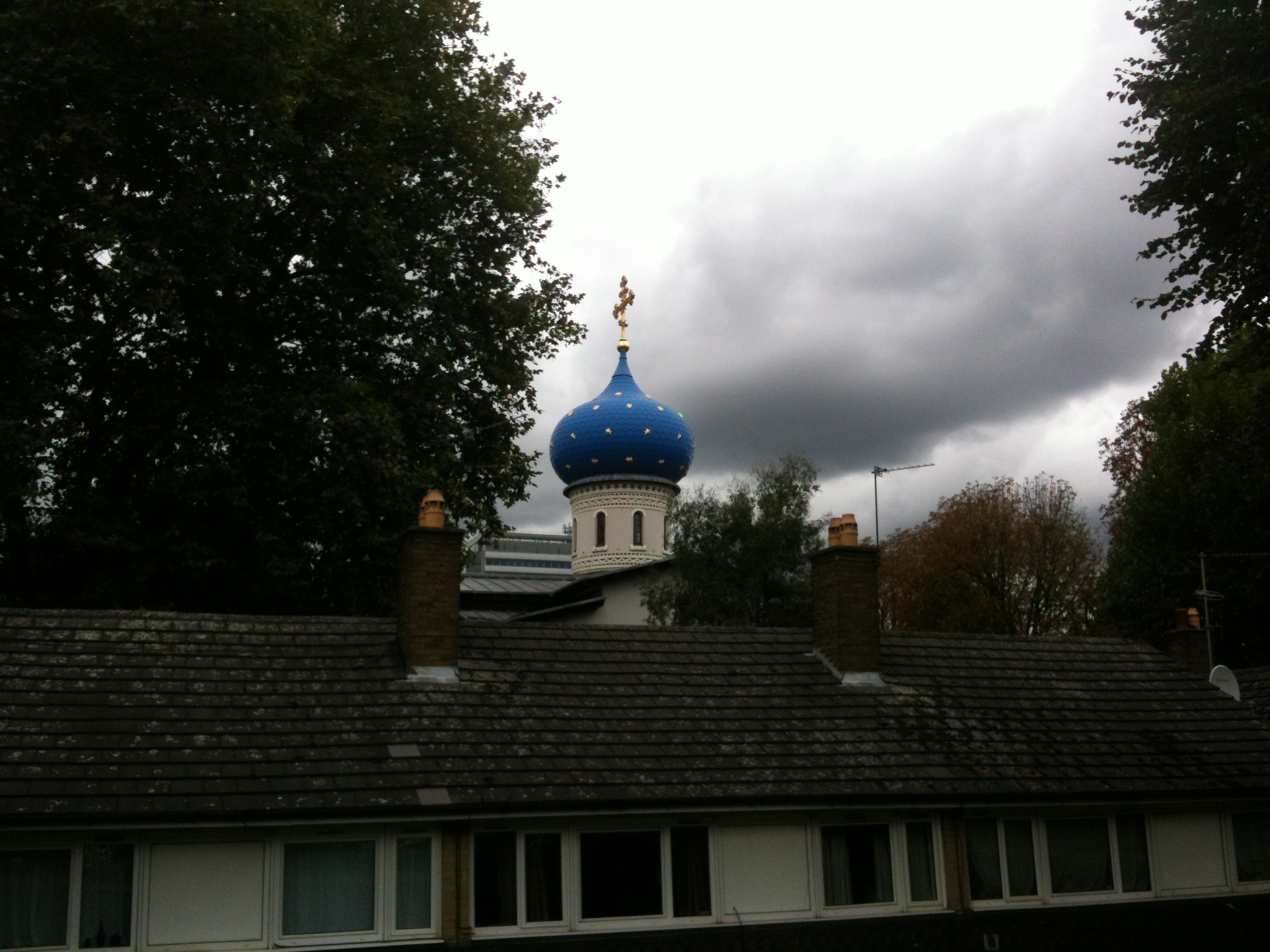
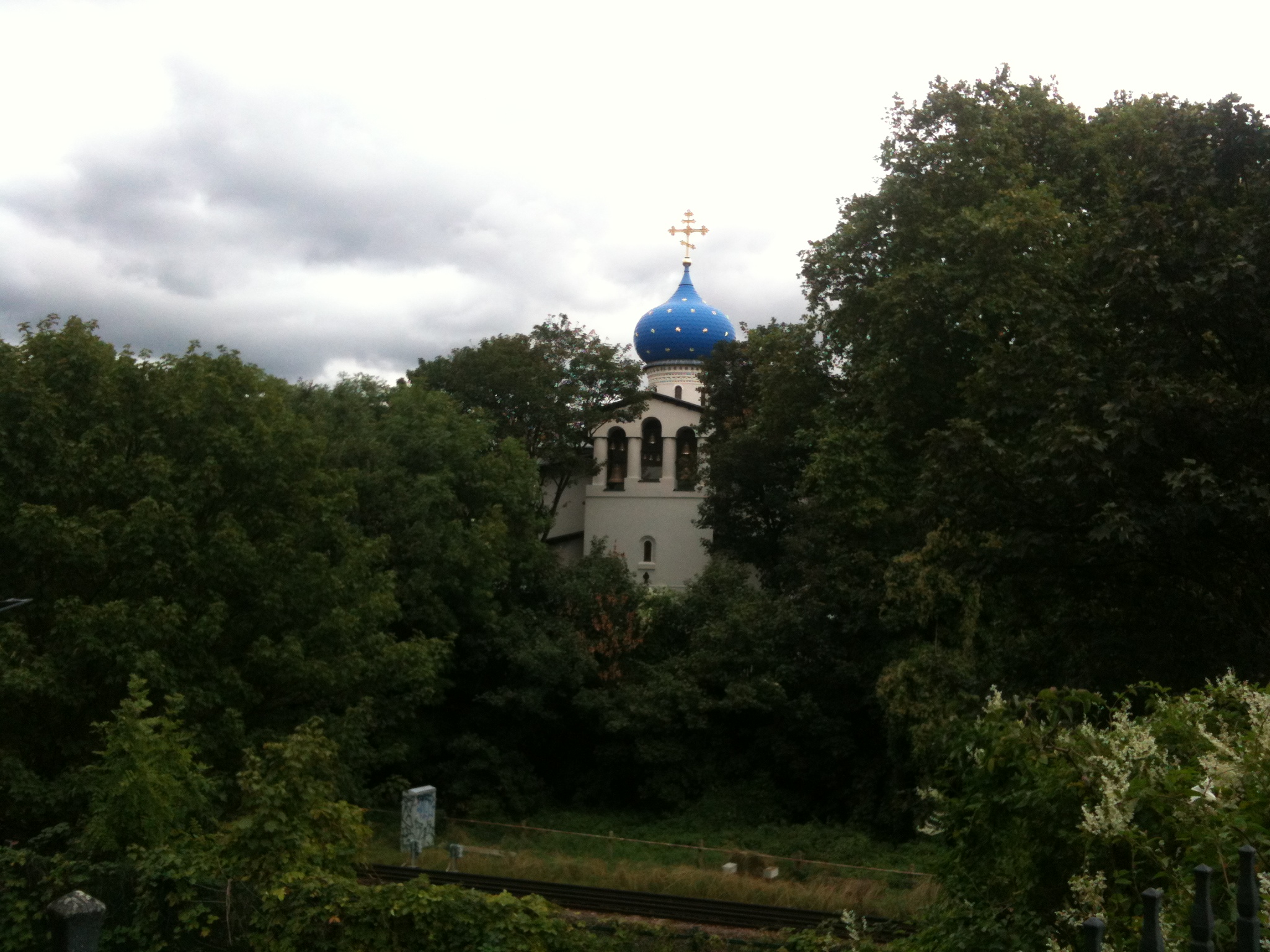
This is the Russian Orthodox Church Abroad’s Cathedral of the Dormition of the Mother of God and the Royal Martyrs. Catchy name! It’s in Gunnersbury, just by the A4, where it joins the M4. Hemmed in by a railway, a dual carriageway and some distinctly downbeat housing. But I love the way that blue dome sticks out defiantly, rising above its humdrum surroundings. I cycle past it frequently, as I’m coming back from my cycle to Putney Bridge along the Thames, and always wonder how it got there…

IMG_1141


IMG_1143


Posted in Photos - lovelondonscenes | Tagged , , , , , , | 2 Comments

iphonelondonscenes – 09

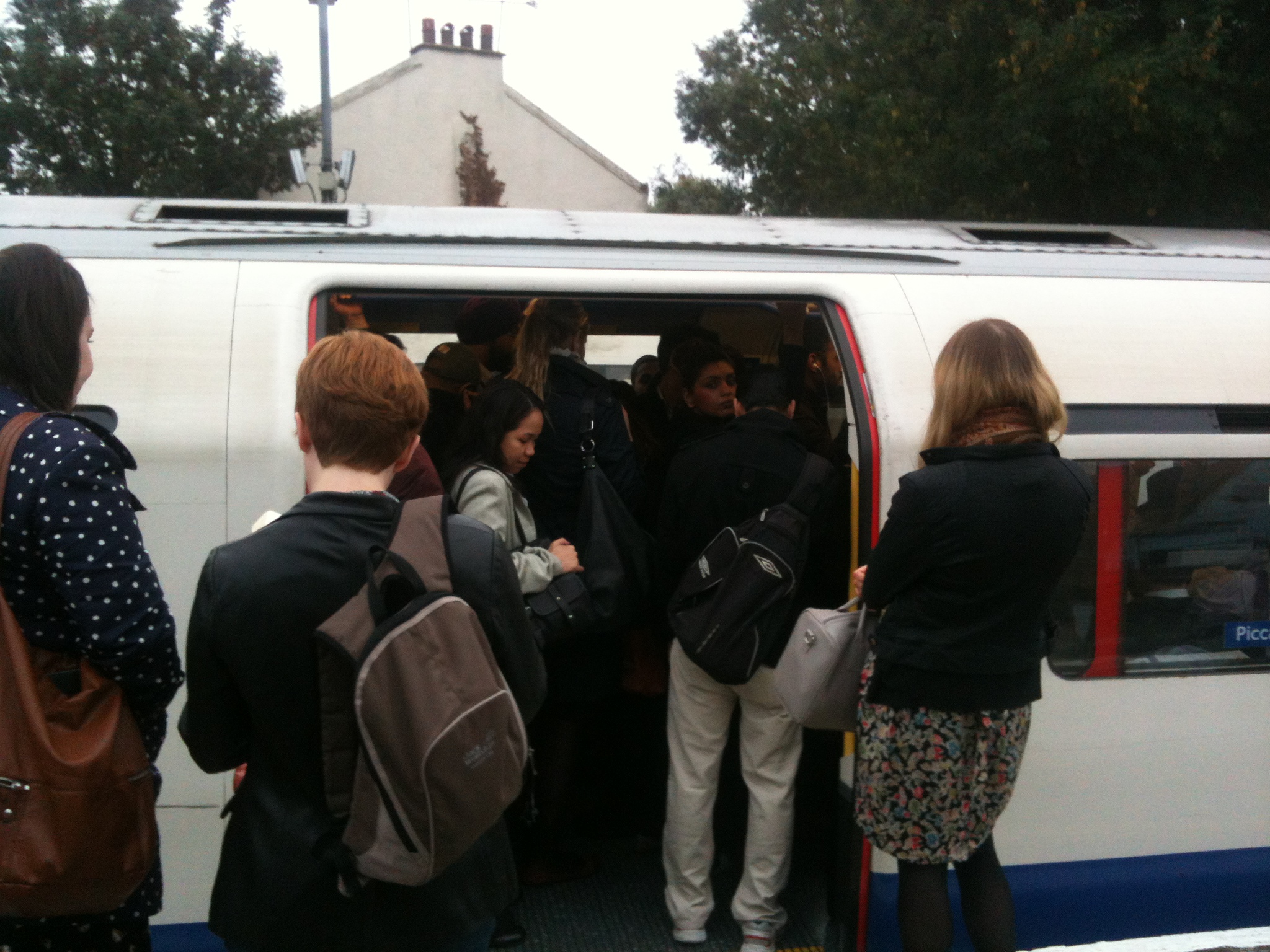
08.10 : “There is a good service on the Piccadilly Line”…. just so long as you don’t want to get on the train!

IMG_1162

Posted in Photos - lovelondonscenes | Tagged , , , , , | 4 Comments

“Othello” at the National Theatre

images

Last night, Kath and I went to see “Othello” at the National Theatre. Turned out it was the last night. We also had front row seats, so we got to experience the performance in full effect.

And what a performance it was. I’ve seen a few productions of “Othello” over the years, but I can’t remember one as intense as this. Being in the front row helped, but I think the intensity also stemmed from the stark, modern, military setting in which the play was set. This was Iraq, Afghanistan. No comforts, nothing lavish. Brutal surroundings encouraging brutal emotions.

“Othello” is one of Shakespeare’s great tragedies, but there is also something absurd about Othello’s rapid descent into jealous rage and madness. Suspension of disbelief is seriously required. There is also a perverse effect in the play, where, depending on how it is played, Iago, the villain, can easily become the hero.  I remember the first time I saw the play, either in the late seventies, before my A levels, or early eighties, with Donald Sinden as a blacked-up Othello, that Iago was so sleek, clever, amusing, evil, that the audience went onto his side. Othello became the fool, easily mocked. That’s one way of enjoying the play. But last night’s performance was in a different place altogether.

The genius of putting the play into a modern setting, the military setting with which we have become all too familiar, was that it took the scepticism you might have about the plot head on. We can relate to the stress, the violence, the intensity of modern warfare, because we see it so much on our TVs. It’s no surprise, in the circumstances, that people behave in extreme ways.

The modern setting also brought out the power of parts of the play that normally just seem like devices to get the plot going. Cassio’s drunken rage early on, having been tricked by Iago into drinking more than he can take, is an incredibly powerful scene, soldiers letting loose, chanting, brawling. Being in the front row made it all the more intense. It was a Friday night in an English provincial town, or a ruckus at a football match.  Real world.

And it is this real world into which Othello and his newly-wedded wife, Desdemona, are plunged. A general bringing his wife on tour is not normal and the abnormality of it is conveyed in the reactions of the assembled soldiers as Othello greets Desdemona on their arrival in Cyprus. You know it is going to go wrong. Desdemona, played beautifully and feistily by Olivia Vinall, is obedient and naive, pressing Cassio’s case after he has been dismissed from his post in a way that only fits Iago’s designs.

And what of Iago, played here by Rory Kinnear? Always at the heart of the play, Othello’s companion turned nemesis. Hero or villain? Pure evil or or bitter reject? In control of events or chasing developments once he has set them off? Do we sympathise him or hate him or fall somewhere in between?  He is so central to the story that the play could have been called “Iago” rather than “Othello”.

Kinnear plays Iago as a severely troubled man. The advantage of being in the front row was that I could see the trembling lip, the internal strife, the self-loathing as well as the hatred for his general.  There is no humour in this Iago, no comic relief, other than the natural absurdity of some of the plot developments. Not only is he bitter at being passed over for promotion, but the suspicion that Othello may have had an affair with his wife, Emelia, is played strongly. It is a brilliant performance, but one in which you have no sympathy for the character. Iago in this performance is a blunt, unsubtle character, who hardly seems clever enough to devise his boss’s downfall.

I must admit that from time to time I wished for some of the wit, the subtlety of some of the Iagos I’d seen before. That’s not a criticism of Kinnear’s performance, which was superb. It was just a hankering for a bit of light relief in a dark world.

And then there was Adrian Lester’s Othello. Truly magnificent. He played the war-hardened general turned into loving husband, the racial outsider in the Venetian court, superbly, edgily. His descent into jealous madness, as Iago fed him with lies and distractions, was never ridiculous, as it could be. It was instead like a slow torture, as his confidence evaporated, replaced by an agonised uncertainty and building rage. Close up you could really see, and live, the transformation. Every time he punched the wall, you hurt with him.

I couldn’t help likening Adrain Lester as Othello to Barack Obama – there’s a kind of physical resemblance, I think; and the travails Obama faces at the moment, with the Tea Party Republicans trying to shut down the US government, feels like a different but similar set of complexities to the ones that Othello faced. Both outsiders, with racial biases probably at the heart of the opposition to them. Obama a rather more subtle man, capable of dealing with his internal enemies, unlike Othello. But unjustly treated, nonetheless.

The wonder of Shakespeare: that a play written in the early 17th century can have such resonance for our society today. A play that we – and the directors and actors – can interpret in so many different ways. But with a central truth:

O beware my Lord, of jealousy. It is the green-eyed monster, which doth mock the meat it feeds on…

Posted in Art, books, theatre, cinema | Tagged , , , , , , , | 6 Comments

iphonelondonscenes – 08

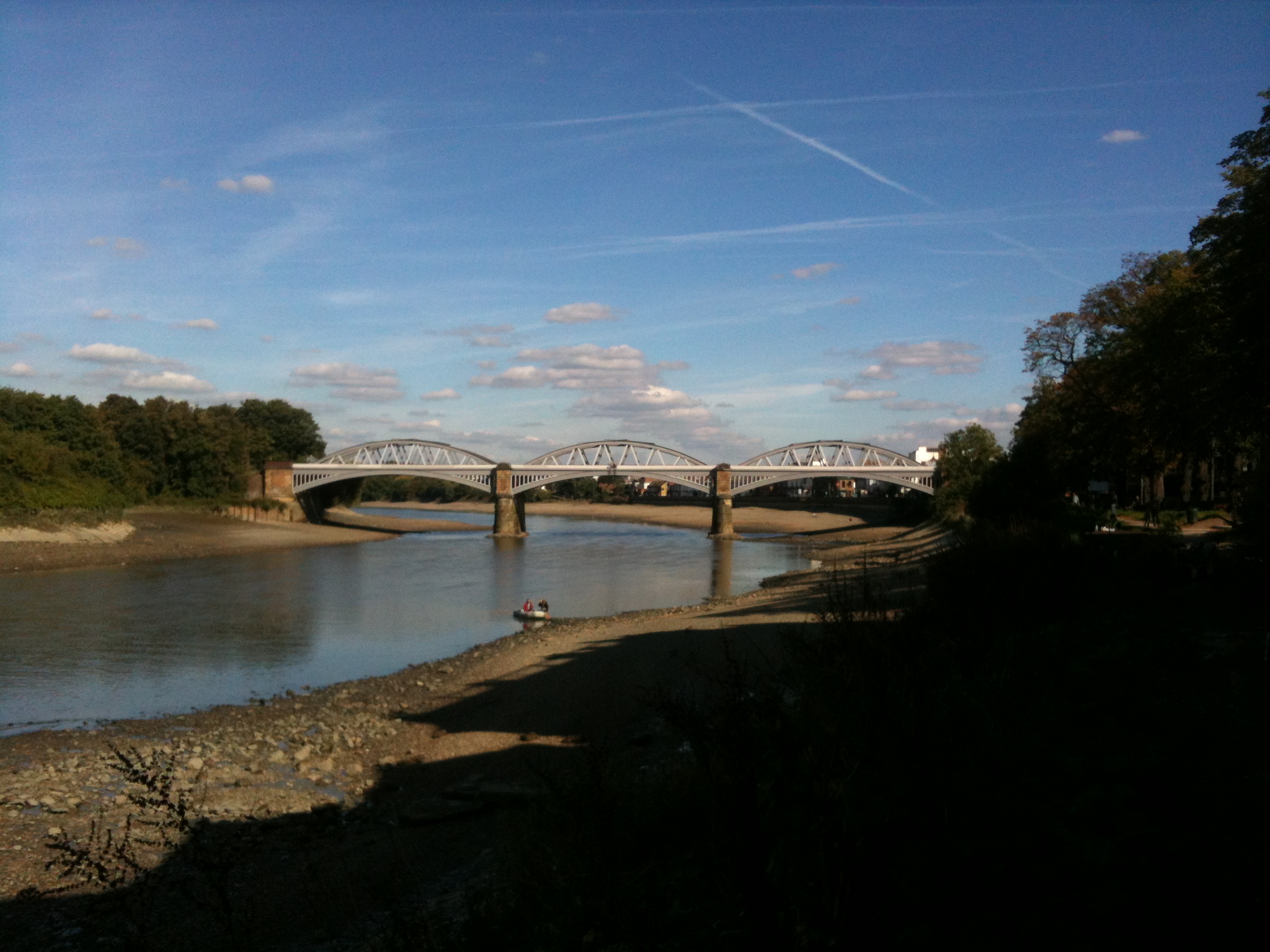
Barnes Bridge at low tide, today.

IMG_1160


Sailing on the Thames at Hammersmith, Saturday.

IMG_1138

Posted in Photos - lovelondonscenes | Tagged , , , , , | 6 Comments

iphonelondonscenes – 07

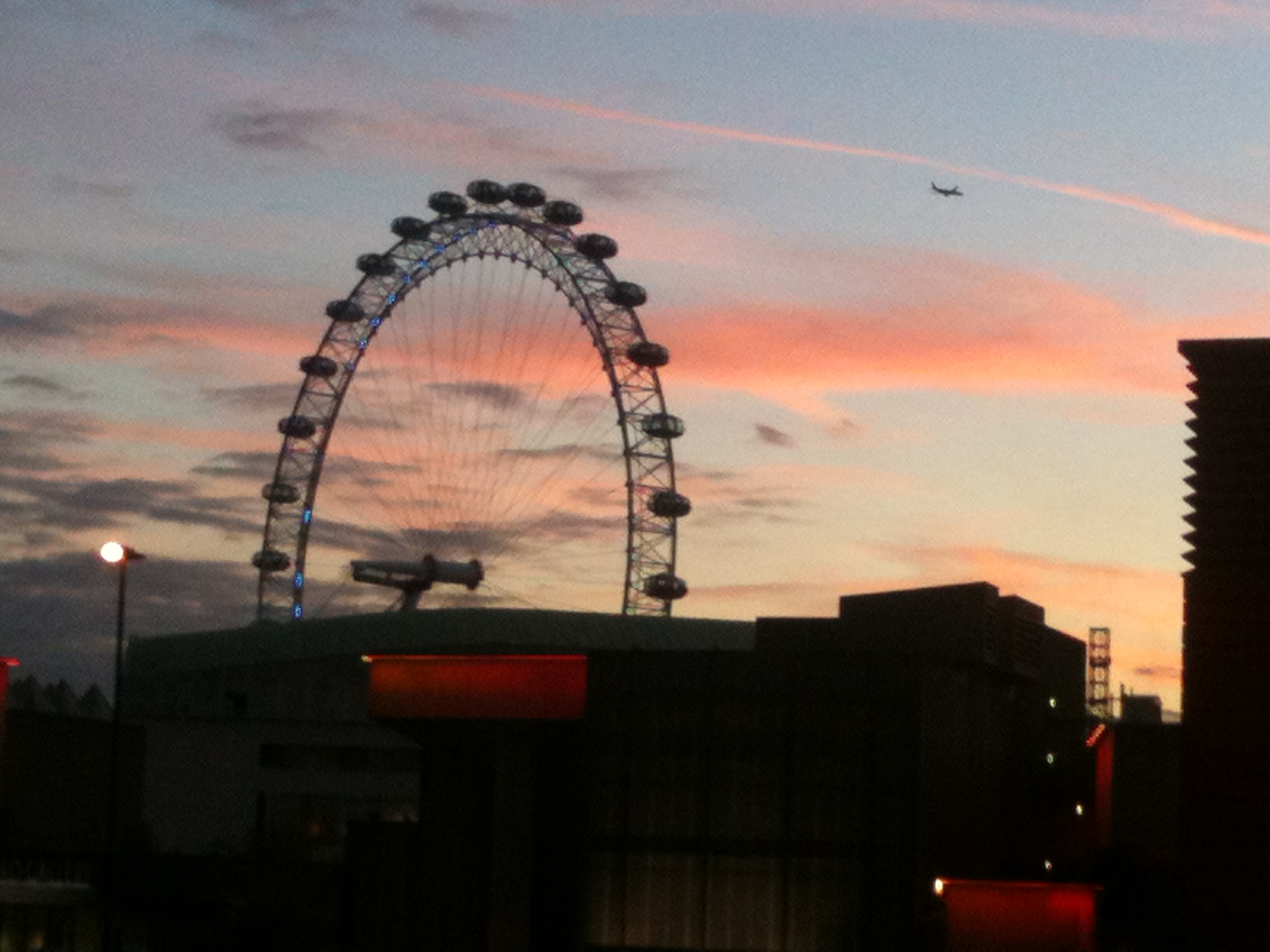
We went to see “Othello” at the National Theatre tonight. Truly stunning. So was the sunset as we sat out on the Olivier Theatre terrace before the performance began.

IMG_1156

IMG_1152

Posted in Photos - lovelondonscenes | Tagged , , , , , | 4 Comments

iphonelondonscenes – 06

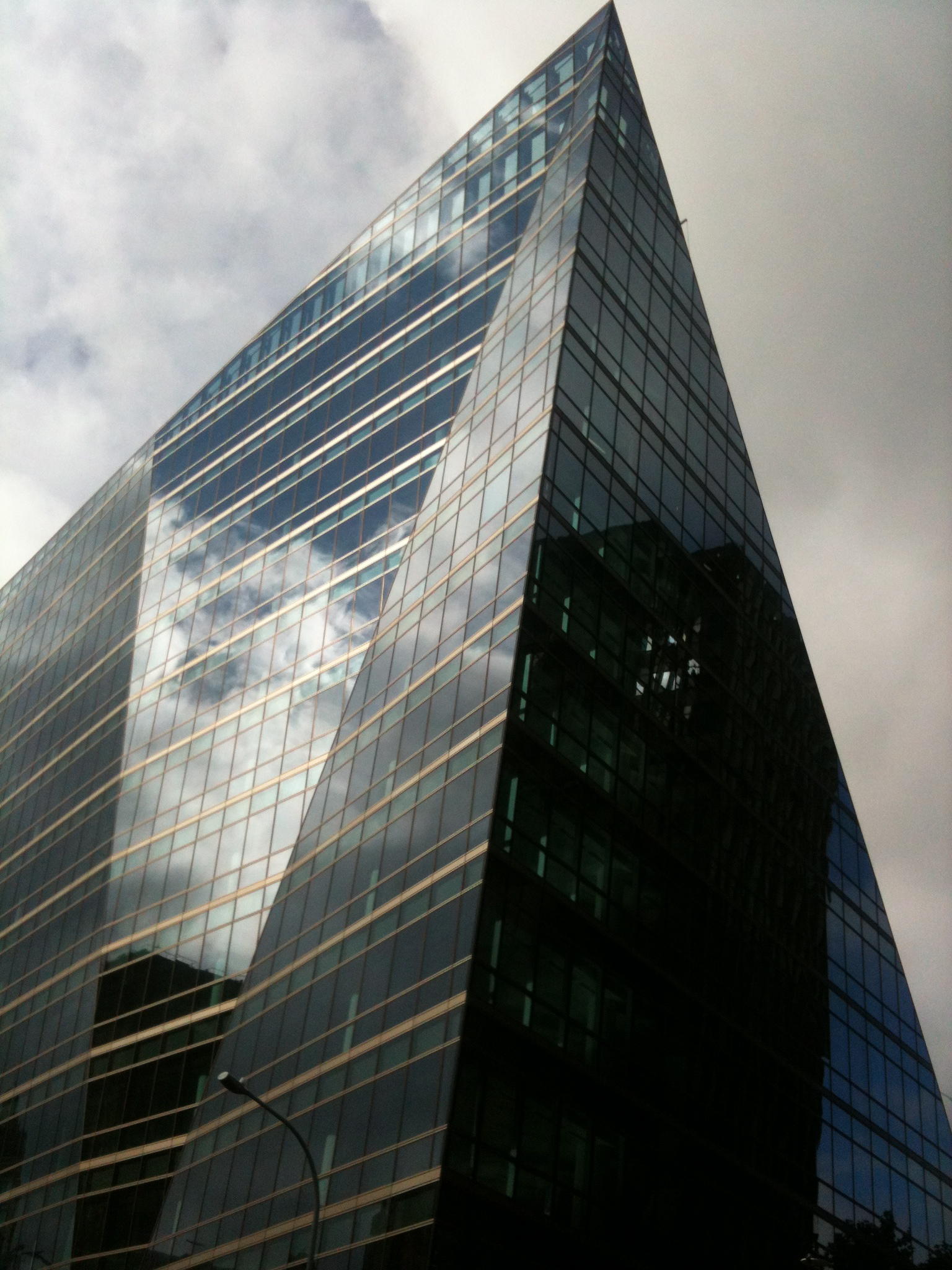
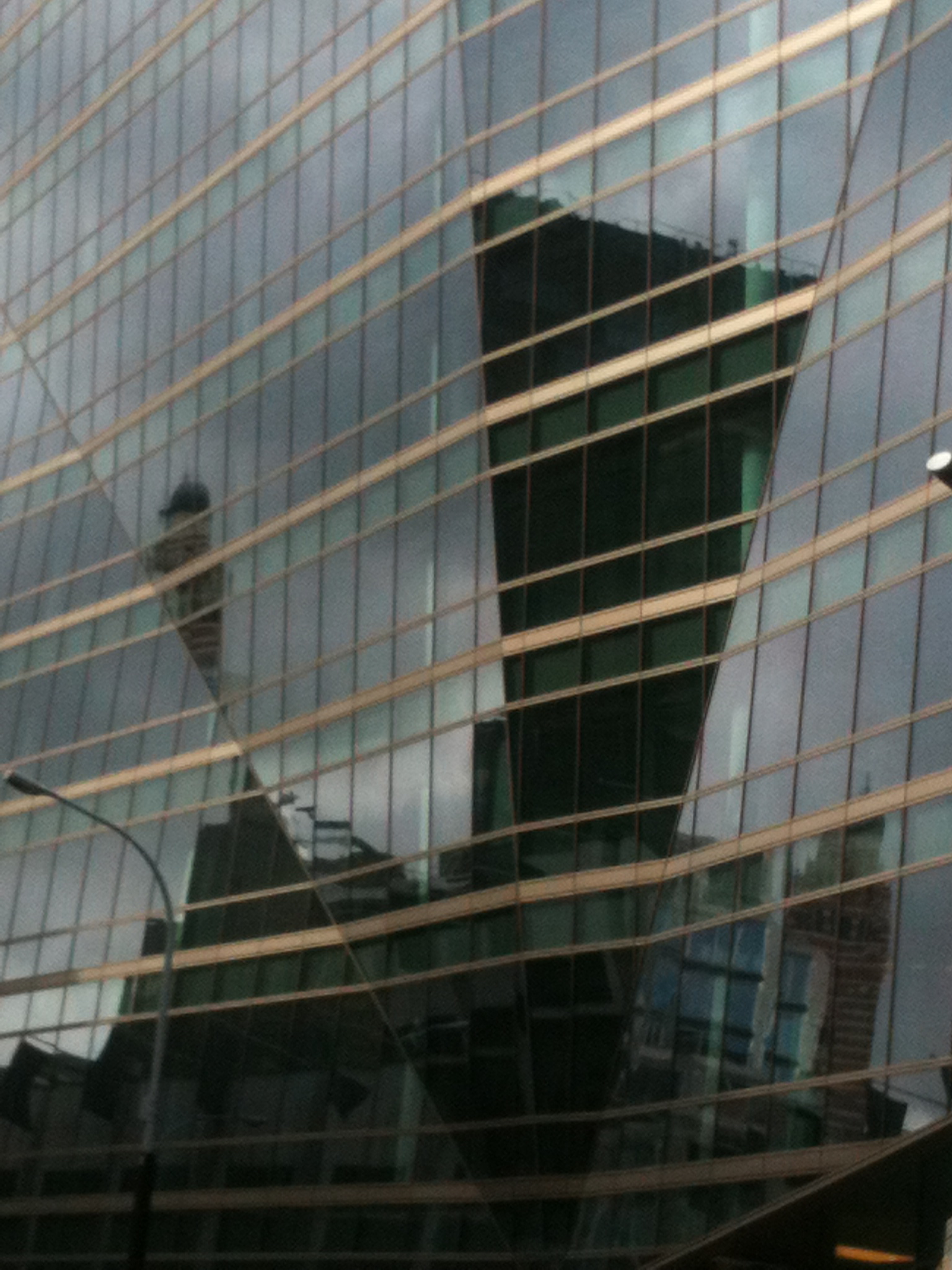
There’s a new kid on the Victoria Street block. It’s called, prosaically, 62 Buckingham Gate – that’s the street which connects Victoria Street to Buckingham Palace. It has been built on the site of the old Selborne House, where I used to work for many years, when it housed the Lord Chancellor’s Department and the Department for Constitutional Affairs, when we morphed into that institution.  Selborne House was a drab sixties tower block which no-one liked. 62 Buckingham Gate, in contrast, looks amazing. I love the way they’ve built all sorts of angles into the face of the building, so that, with the mirrored front, it reflects myriad images, depending on your vantage point. It’s a classic bit of Victoria Street architecture, bearing no relation to anything else that has gone before. Maybe that’s the theme for Victoria Street: anything goes.

So I took a few shots with the iPhone today, with a view to sticking one of them on this blog. But honestly, I love the way so many images come into play, so I’ve decided to post a few today. I hope you like them as much as I do.

IMG_1125

IMG_1127

IMG_1128

IMG_1129

IMG_1130

IMG_1134

This last shot, taken randomly at the crossroads nearby, with a bit of that fuzzy iPhone zoom, shows the angles in full effect. There are two images of Westminster Cathedral, which is not that near at all – at least a hundred yards down the road and tucked behind lots of other blocks. But it has sneaked into view – twice!

Posted in Photos - lovelondonscenes | Tagged , , , , , | 6 Comments

On reading “Bleak House” and “David Copperfield” by Charles Dickens

This summer just past, inspired by reading Clare Tomalins’s biography of Charles Dickens, “A Life”, I’ve read two of his magnum opuses, both around a thousand pages long. “Bleak House” and “David Copperfield”.

Both were truly magnificent. The kind of of novels you live with. They aren’t perfect, but each day, as I read another 30-40 pages, on the tube, I grew closer to the characters, the plot and the author. Dickens lives and breathes these pages, and getting on for 150 years later, his character still shines through.

I started with “Bleak House”. It’s a sprawling story with a dark heart. There are many comic characters, who endlessly amuse as they repeat their characteristics each time they appear. But deep down it’s a tale of class divides, dark secrets and the deleterious effect of the legal system on everyone who has the misfortune to become involved with it. The symbol of all of this is the lawyer, Tulkinghorn. A man with his finger in every pie, and really, no redeeming features. The squalor of London is vividly portrayed, along with the suffering of so many people living in the city. There is goodness, principally in the central characters of Esther Summerson, the young woman at the centre of so much in the story, who also narrates parts of the tale, and her benefactor, John Jarndyce.  Jarndyce is also part of the mysterious legal battle that suffuses the whole story, and brings it to an end, when the legal costs outweigh the money at stake in the dispute. Dickens has a vehement dislike of the legal system, caused by his own experiences when disputing copyright, and it doesn’t half show.

“Bleak House” is a pessimistic tale, which takes apart the class obsession of Victorian life and the cruelty of a society which leaves so many people at the bottom of the pile. It has a real coherence, despite the myriad sub plots, and conveys a picture of nineteenth century London which is unsurpassed. There is laughter as Dickens teases the minor characters: the mother who obsesses over African affairs rather than her children, Guppy, the junior lawyer who can never quite say what he means, the pompous preacher uttering meaningless phrases, Snagsby, the stationer who gets caught up in all sorts of affairs which he’d rather avoid. But in the end the darkness prevails, alleviated only by Esther’s virtue.

Where “Bleak House” is a grand canvass of despair, “David Copperfield” is a more straightforward tale of a young man’s passage through life. The backdrop, especially in its London scenes, is little different to “Bleak House”, but the story is essentially optimistic, and there is a happy ending. A really happy ending, which moved me to almost-tears as I stood, crammed into a Piccadilly Line tube train, absorbing those lovely last moments. David goes through a whole range of suffering, especially in his early life. The cruelty of Victorian life is vividly portrayed, but throughout the story there are good people – (Miss) Peggotty, Mr Peggotty, Traddles, Aunt Trotwood after her initial outburst, Mr Dick, and above all, the lovely, perfect, Agnes (too perfect really) – who elevate the story and give you hope. There is tragedy, deception and evil, but good wins in the end. It’s not always convincing, but despite the thinness of some of the characters (especially David’s wife Dora, who is hardly raised above the one-dimensional “child-wife”, and Uriah Heep, whose main defect early on is being sweaty, ugly and ginger ) the sheer scale of the story wins you over. You really do care about the fate of all the characters.

I think I’ll take a little bit of time off from Dickens now, but I do plan to work my way through the novels. They are an extraordinary chronicle of the 19th century.  He is the English Tolstoy – or should I say Tolstoy is the Russian Dickens?

If you haven’t ever read Dickens, do give him a go. And maybe “David Copperfield” is a good place to start, not least because there is a strong autobiographical element in the story. Follow it up with Clare Tomalin’s book, and you’ll know all you need to know about one of our country’s greatest writers.


Posted in Art, books, theatre, cinema | Tagged , , , , | 4 Comments

iphonelondonscenes – 05

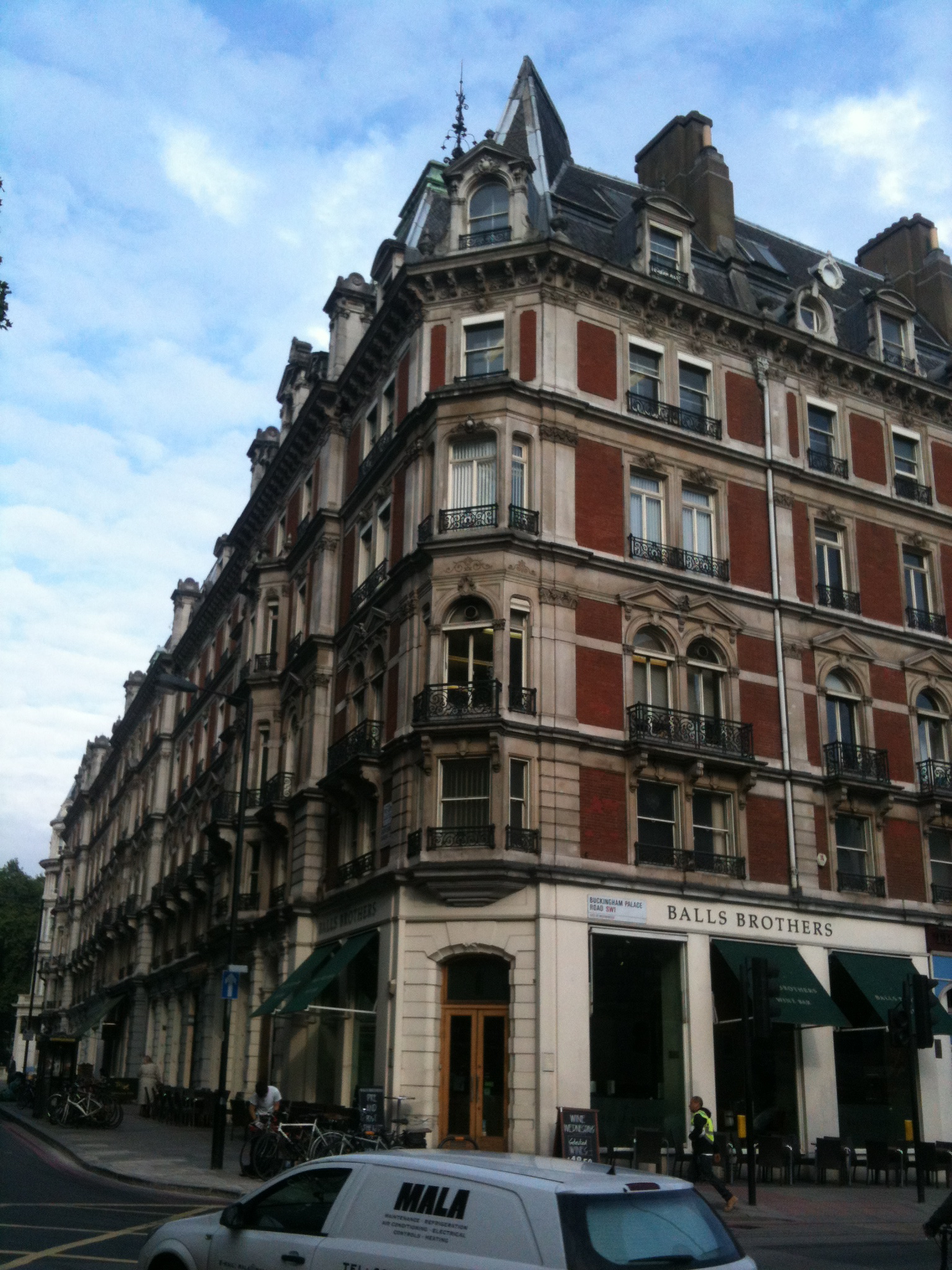
This is a building at the junction of Grosvenor Gardens and Buckingham Palace Road in Victoria. I walk past it every day and think, this could be in Paris. 7th arrondissement? I checked on the web, and found that it’s just on the edge of a Westminster conservation area and the architecture being preserved is described as “French Renaissance”. The area was constructed by Thomas Cundy III in the 1860s.

IMG_1112

Balls Brothers is a decent wine bar, so it fits the Parisian bill!

Posted in Photos - lovelondonscenes | Tagged , , , , , | 2 Comments